 Retro Replay Retro Gaming History, Reviews & Emulation

Retro Replay Review
Gameplay
Grid 2 is at its best when you are already carrying speed into a corner and realize the car beneath you needs a different touch than the last one. With dozens of cars and track, street, and countryside events spread across its career, it has enough range to keep you from settling into one rhythm for too long. That variety gives the opening hour a nice forward pull: there is always another location, another car, or another event type waiting to change the pace.
The World Series Racing structure is simple but effective. You travel, race internationally, gain fans, and work to attract more racing stars to the league. It is a clean reason to keep competing without burying the driving beneath a complicated management layer. If you want a racing career that stays focused on events and results, this is the right level of framing.
Race types do real work here. Time Attack puts the pressure on precision, Drift asks you to lean into a different style of control, and Eliminator breaks up conventional racing with more immediate stakes. LiveTrack is the standout because the circuit can dynamically change during the race. That means familiarity is not always enough, and a run can turn frustrating when the route shifts just as you have found your groove. It is also the mode most likely to make a victory feel earned.
Exhibition and multiplayer round out the package sensibly. Exhibition is useful when you want to sample cars and race types without career context, while multiplayer gives the game’s varied events a more competitive edge. Grid 2 is not built around a single pure discipline; it is a broad, energetic racer for someone who likes switching between track contests, street races, and less standard challenges.
Graphics
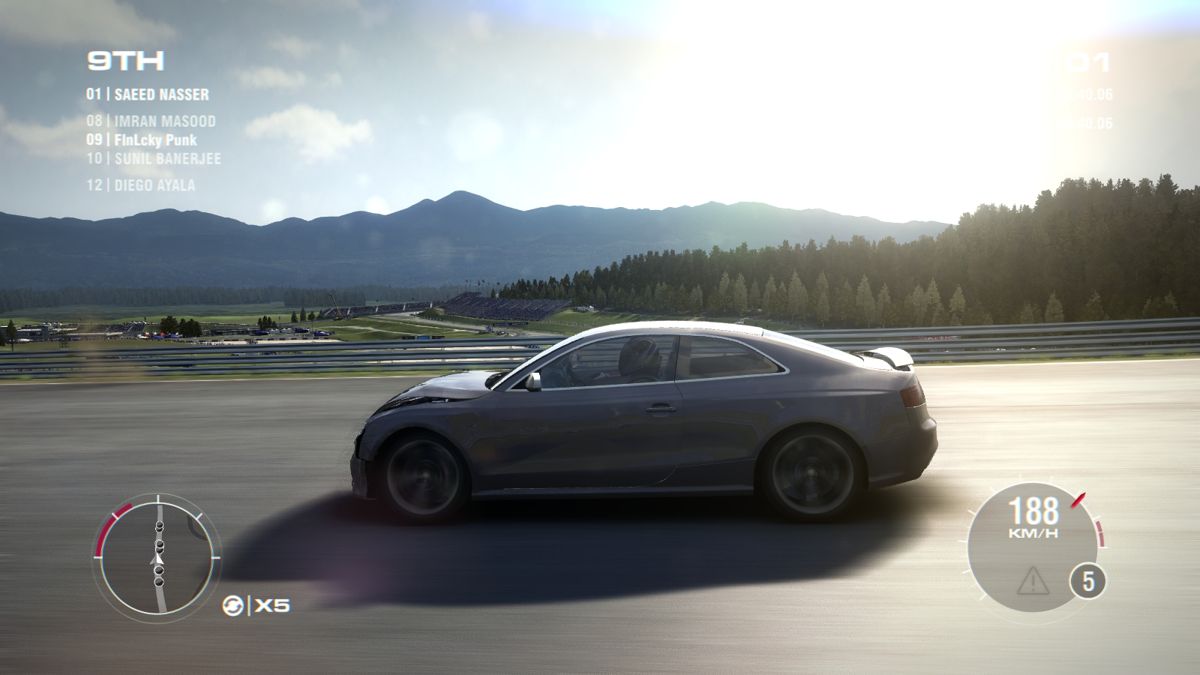
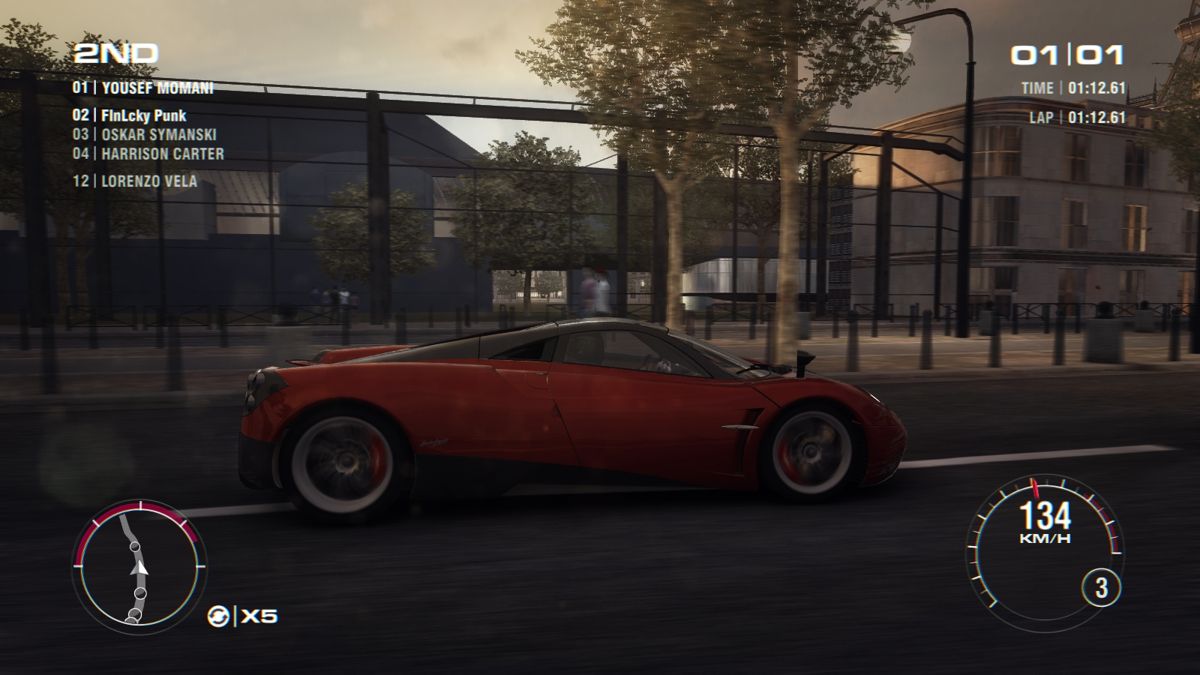
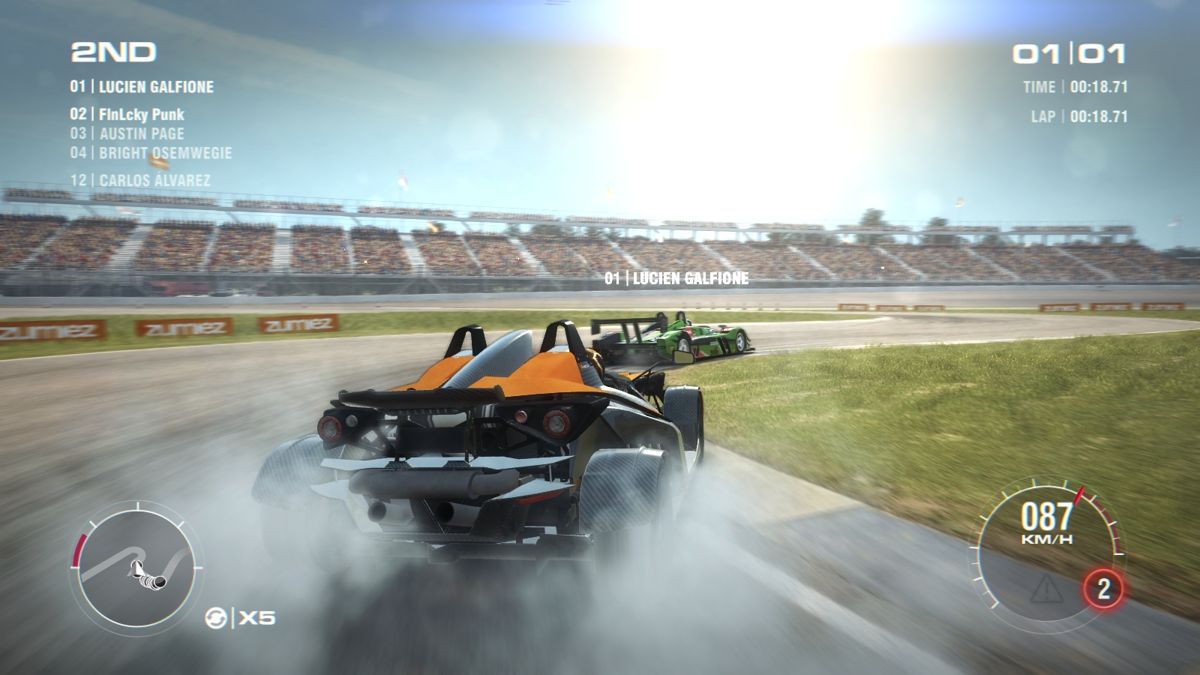
You spend your time looking over the back of a wide range of cars as they race through locations including Dubai, Hong Kong, Paris, and various United States venues. The changing backdrop matters because the game moves between dedicated tracks, city streets, and countryside routes rather than repeatedly dressing up one kind of course.

Story
Grid 2’s story is deliberately light. You are positioned as the next potential star of the growing World Series Racing league, traveling the world to help give it momentum. It is less a dramatic narrative than a racing-world excuse to send you from event to event.
The fan-building angle gives the campaign a welcome sense of progress. Winning is not framed only as climbing a results table; you are also promoting the league and trying to persuade other race stars that WSR is worth joining. That is enough context to make the international tour feel connected.
Do not come for character drama or elaborate plot turns. The story works when it stays in the background and lets the cars, locations, and changing event formats carry the momentum. For this kind of racing game, that restraint is a strength: you are rarely far from the next drive.
Overall Experience
Grid 2 earns its 7.7 reputation by keeping racing lively through location changes, car variety, and a strong mix of event types. The career’s fan-and-league framing is modest, but it keeps the world tour from feeling like a disconnected menu of races.
Its main frustration is also tied to its biggest hook. LiveTrack can disrupt the confidence you build by learning a course, so anyone who wants every event to reward strict repetition may prefer the more conventional races. For everyone else, that uncertainty adds urgency and makes the game feel less routine.
Give Grid 2 a chance if you want a behind-view racer that values breadth and momentum over a heavy story. Start in Career to get the international WSR tour rolling, then use Exhibition when a specific car or event type catches your interest. For release and development background, see the Grid 2 history.


Reviews
There are no reviews yet.