 Retro Replay Retro Gaming History, Reviews & Emulation
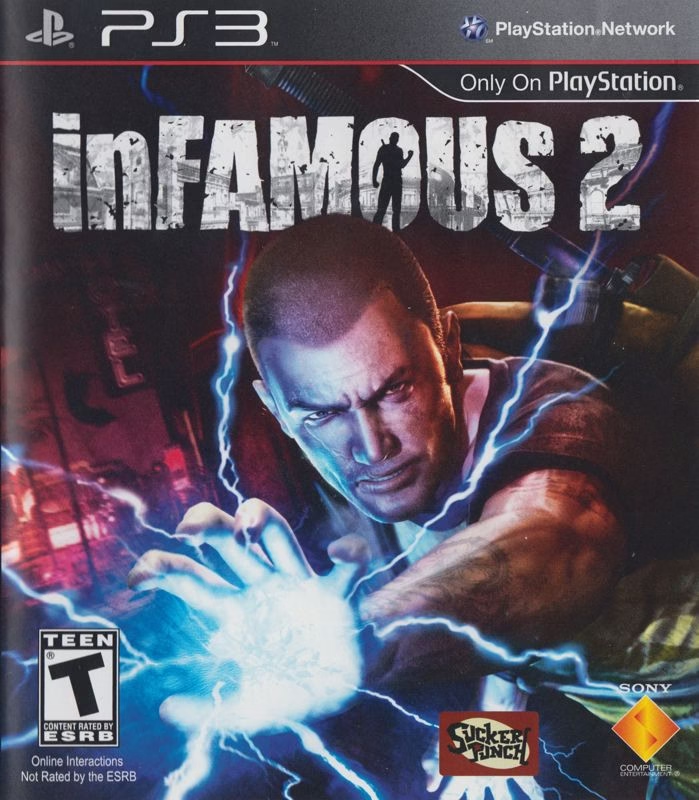
Game Overview
Gameplay
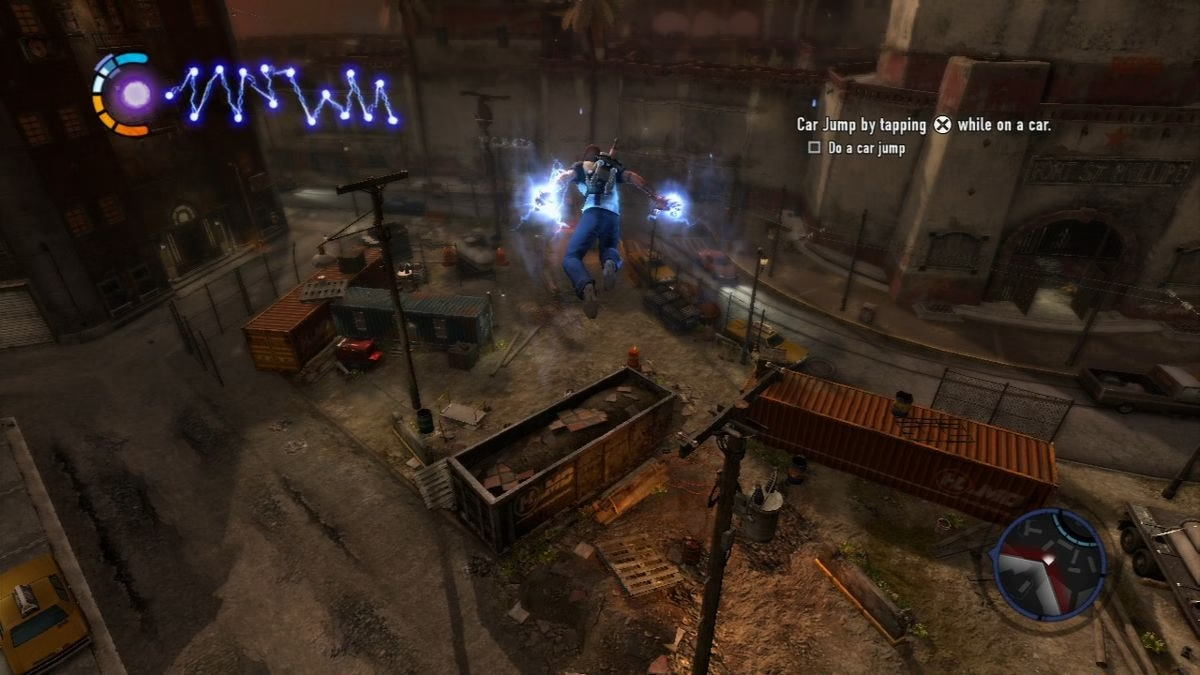
The first few minutes make a strong case for why Cole MacGrath works so well as an open-world hero. You can scramble up buildings, throw yourself from absurd heights without dying, and use zip lines to glide across gaps. That freedom turns getting around New Marais into more than a commute between missions. You start spotting rooftops, wires, and vertical shortcuts, then naturally plot your own route through the city.
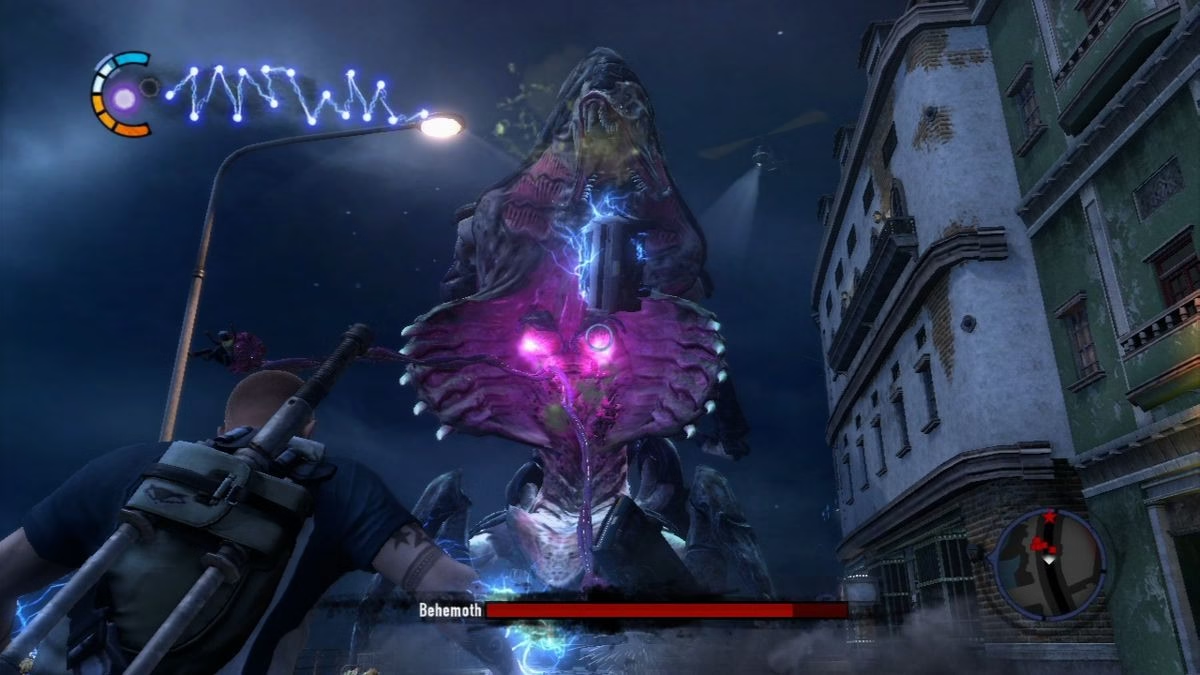
Combat has the right kind of escalation. Lightning remains Cole’s defining tool, but the larger selection of powers lets you choose which attacks occupy your button combinations instead of being locked to a single option. Encounters are not always solved by simply firing from a perch, either. Certain monsters shrug off distant electrical attacks and demand close combat, while other strong enemies have particular weak points or vulnerabilities. That push toward switching tactics keeps the fighting from becoming a repetitive shooting gallery.
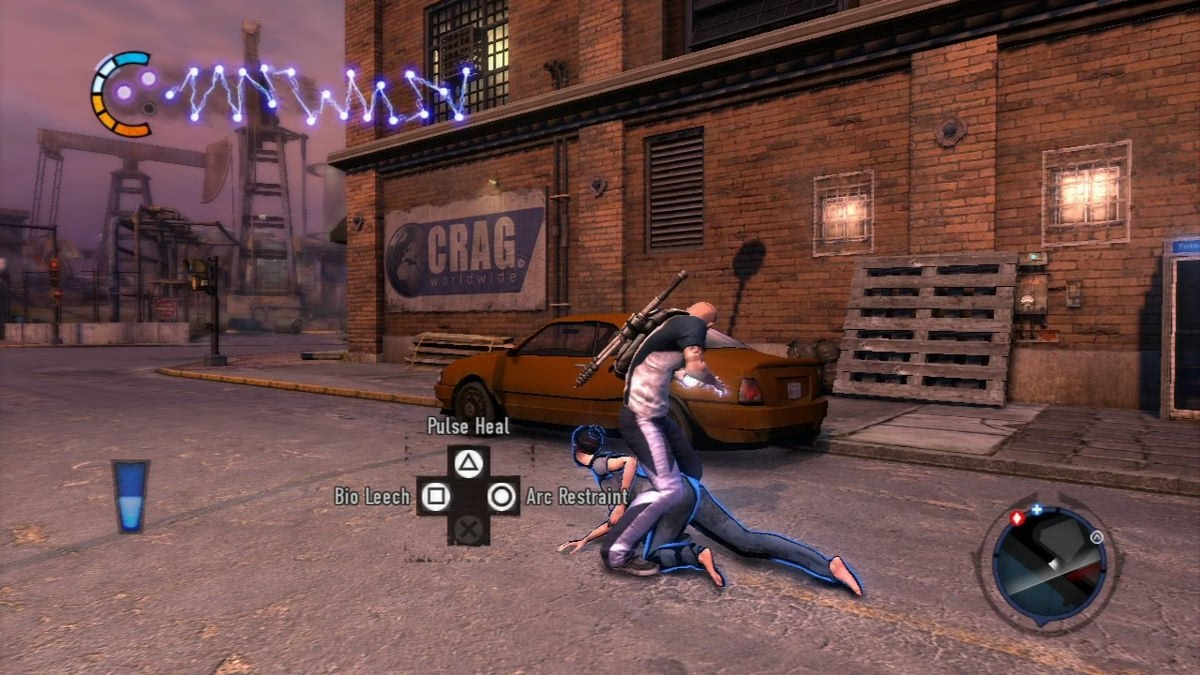
The karma split is at its best when it makes you consider the collateral damage of a fight. Playing hero means helping civilians and watching where your shots land. Going evil gives you more freedom to tear through trouble, but it also puts police and residents on your back. The game does not let you buy both sides’ karma powers, so your choices have practical consequences rather than being a string of disposable dialogue decisions.
There is still some open-world busywork in the mix. Helping citizens, restoring electricity, taking photographs, and clearing gang trouble will feel familiar if you played the original. The better side activities are the ones tied to your chosen karma path, because choosing one locks out its opposite. The less inspired errands can drag when you are eager to see what happens next, but the mobility and combat are entertaining enough to make most of the citywork go down easily.
Graphics
New Marais has a worn, industrial look: brick warehouses, narrow streets, utility poles, rail cars, and battered vehicles give the city a grimy lived-in texture. The third-person camera frames Cole clearly against the streets and rooftops, while blue electricity crackles brightly around him and makes his attacks easy to pick out in darker areas.
The creature battles are the visual highlight. A huge, fleshy Behemoth looms over the environment, with glowing pink weak points that stand out against its dark bulk. Purple energy, electric arcs, smoke, and flying debris give these clashes a pleasingly chaotic scale, even if the streets and buildings themselves can look drab and rough around the edges.

Story
inFAMOUS 2 picks up with Cole reeling from a disastrous encounter with the Beast and fleeing Empire City alongside Zeke Dunbar and NSA agent Lucy Kuo. New Marais is not a quiet refuge. Cole arrives with a plan to power a Ray Field Inhibitor and face the Beast again, only to get pulled into the city’s gang conflict, anti-Conduit hostility, and monster-infested swamps.
The story has a solid forward drive because the threat is immediate and Cole’s goal is clear. He needs Blast Cores, he needs stronger powers, and he needs a real answer to what the Beast is and what it wants. That keeps the campaign focused even while the city keeps handing him distractions. The central mystery pays off by turning the final decision into something more meaningful than a routine good-or-evil button press.
Nix and Lucy Kuo give the moral split a human face. Their competing approaches repeatedly ask Cole to solve problems with restraint or cruelty, and their choices line up with the power path you are building. The system can feel blunt, since it encourages commitment to one extreme, but it suits a series built around deciding what kind of public menace or protector Cole becomes.

Overall Experience
inFAMOUS 2 understands that superhero power fantasies need movement as much as firepower. Traversing the city is fast, loose, and fun because Cole can climb almost anywhere, survive a fall, and launch himself toward distant areas on zip lines. Once that rhythm clicks, even a detour to clear a district or help a civilian can feel like a worthwhile excuse to keep moving.
It is also a more demanding action game than its free-running premise initially suggests. Enemies with specific weaknesses, melee-focused creatures, civilian risk, and the need to manage your chosen power setup make fights less mindless than they look. The occasional routine side task is the tradeoff, and the good-versus-evil structure does not leave much room for a balanced character build.
Even so, this is a confident sequel that improves its central loop instead of merely making the map bigger. You should give it a chance if you want an open-world action game where crossing the city feels good, lightning attacks have real punch, and your morality choice changes both your powers and your relationship with the people around you. The payoff is a muscular, entertaining adventure that rarely forgets to let you have fun being dangerously powerful.


Reviews
There are no reviews yet.