 Retro Replay Retro Gaming History, Reviews & Emulation


Retro Replay Review
Gameplay
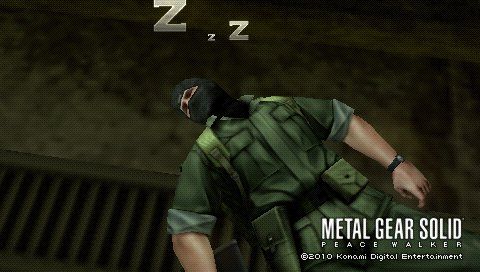
The first few hours have a pleasingly compact rhythm. You pick a mission, move Snake through another tense stealth scenario, then return to Mother Base with more resources and more decisions waiting. It feels recognizably Metal Gear from the start: careful movement is usually the smart answer, but you are never trapped into purity. When a plan falls apart, an M16A1 or the Stun Rod can turn a quiet infiltration into a direct fight.
That freedom matters because the game does not treat every encounter as a single correct puzzle. You can take the patient route, use the tools you have developed, or accept that things have gone loud and survive the consequences. The different button configurations are welcome, too; on a game built around aiming, movement, and quick reactions, being able to choose shooter, action, or hunter controls gives you a better shot at finding a comfortable fit.
Mother Base is the reason the mission format holds together for so long. Staff assignments are not empty bookkeeping: placing people according to their abilities opens further development opportunities, while GMP earned on quests funds weapons and upgrades. You start to care about coming home with enough progress to unlock the next useful piece of kit. That sense of building an organization is exactly what separates Peace Walker from a string of disconnected stealth missions.
The catch is that its structure can turn completionism into repetition. Previous missions can be replayed for higher scores, and optional missions sit alongside the main campaign, so you may spend plenty of time revisiting familiar work to strengthen your position. If you enjoy polishing runs and steadily expanding your arsenal, that is a strong incentive. If you mainly want a forward-driving, one-and-done campaign, the detours can blunt the pace.
Co-op gives the mission design another life. Story missions support up to two people, while other co-op missions support four, making teamwork a practical reason to return rather than a throwaway extra. The Monster Hunter hunts are an especially odd but welcome side trip, letting Snake and friends face monsters from that series on an island.
Graphics
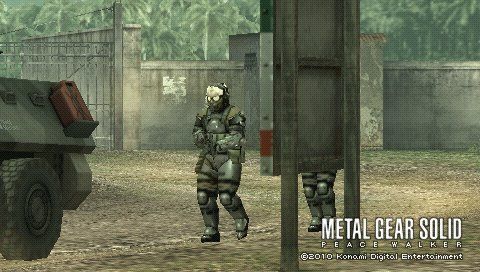
The standout visual choice is the comic-book treatment used for cutscenes, carried over in spirit from Metal Gear Solid: Portable Ops. It gives conversations a stylized, illustrated look instead of relying solely on conventional cinematics, and interactive cutscenes make those story sequences feel a little less passive.
Story
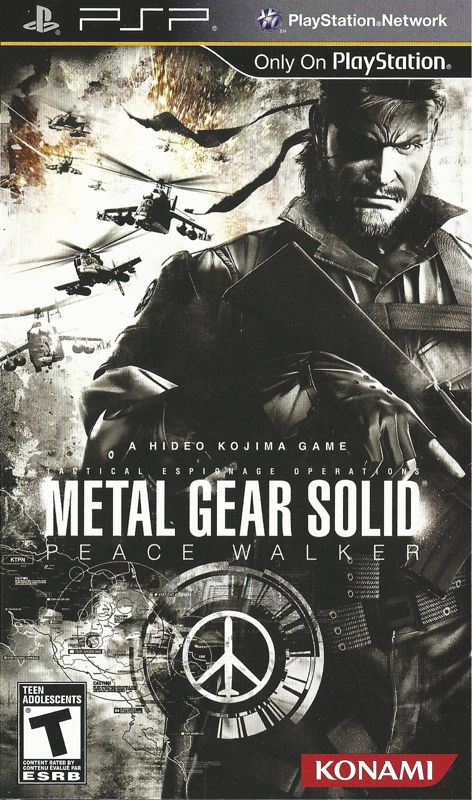
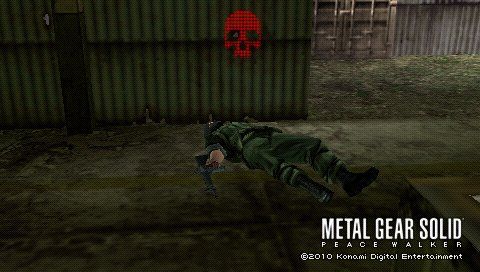
This is a bridge story, but it earns its place by focusing on a version of Snake still struggling to understand what he has become. Set after Metal Gear Solid 3: Snake Eater and before the original Metal Gear, it follows Naked Snake after he has broken from the United States and founded Militaires Sans Frontières in Colombia. The game is interested in the road toward Big Boss, not just the label itself.
The Costa Rica setup gives that internal conflict a solid external problem. A country barred by its constitution from maintaining an army is threatened by an unknown high-tech force, and Ramón Gálvez and Paz Ortega come to MSF for help. Snake initially sees intervention as a dangerous way to inflame Latin American tensions. Then a recording suggests that The Boss may somehow be involved, and his refusal becomes much harder to sustain.
That is the story’s strongest material: Snake is not merely chasing a mission objective, but trying to make peace with guilt over killing someone close to him. The larger political stakes and the personal wound point in the same direction, as Costa Rica’s crisis pushes him toward a decision about who he wants to be. Series fans will get the most from seeing MSF begin its evolution toward Outer Heaven, but the emotional throughline gives the game more than connective-tissue value.
Overall Experience
Peace Walker is satisfying because its systems reinforce its subject. You are not only controlling Snake on missions; you are putting staff in place, developing weapons, earning GMP, and turning a small private force into something more capable. The base-management layer makes every successful outing feel like it contributes to Big Boss’s future, which is a far stronger payoff than a generic upgrade treadmill.
It is also a game that rewards you for meeting it halfway. Give stealth a chance, learn how your preferred controls feel, and engage with Mother Base instead of treating it as an interruption. Once that loop clicks, extra missions and replays stop feeling like padding and become opportunities to sharpen your approach or chase another development goal.
Not every gamer will want that commitment. The segmented mission flow can feel less cinematic than a continuous adventure, and replaying content for better results will test your patience if you dislike score-chasing. But for anyone who wants Metal Gear stealth with a meaningful management layer, a story built around Snake’s transformation into Big Boss, and co-op missions worth sharing, the payoff is absolutely there.


Reviews
There are no reviews yet.