 Retro Replay Retro Gaming History, Reviews & Emulation
Retro Replay Review
Gameplay
The first hour has a blunt, enjoyable rhythm: enter the arena, read your opponent, and look for an opening before a heavy blow or grab turns the fight. Spartacus: Legends keeps its fighting simple enough to grasp quickly, built around light and heavy attacks, grabs, and combos. There is real satisfaction in landing a sequence after circling an opponent, particularly because every duel is a direct one-on-one contest rather than a chaotic crowd fight.
Weapon and gladiator variety do some of the heavy lifting. Swords, daggers, and large hammers suggest different approaches, and changing fighters helps break up the repetition. You are not only controlling the combatant in the ring, either: outside it, you manage your stable of fighting men and outfit them for their climb through the arena ranks. That structure fits the theme nicely, making each purchase feel tied to preparing another body for the pit.
Unfortunately, the climb is where the game starts pushing back in the least entertaining way. Equipment grows increasingly expensive, and the currency split is hard to ignore. Silver coins earned through play cover only a particular selection of fighters and upgrades; gold coins, bought with real money, open separate fighters, weapon types, and executions. Once the early novelty fades, you can feel progression becoming a financial hurdle rather than a reward for improving at the fights.
Online play offers quick matches against random opponents, which can add unpredictability after working through arena advancement. The limitation is obvious if you hoped to arrange battles with friends: there is no direct friends-list option, only matchmaking. Treat it as an occasional test of your preferred gladiator rather than a reliable social fighting game.
Graphics
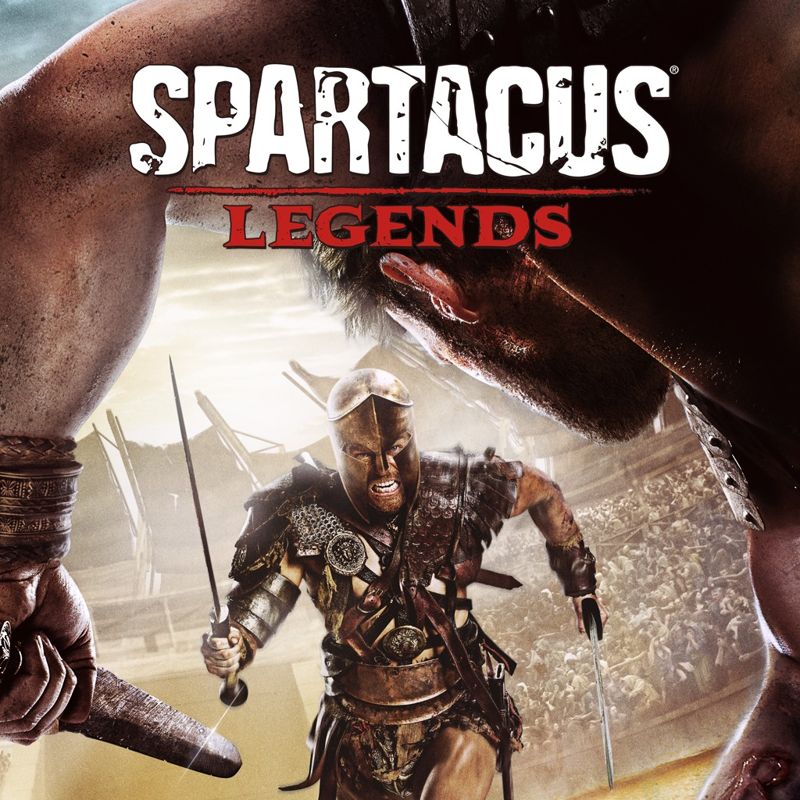
The action is framed around Roman arenas and close one-on-one gladiator fights, keeping your focus on the two armed combatants and the weapon in each fighter’s hands. The most visible variation comes from the gladiators’ different gear, whether you are carrying a sword, daggers, or a large hammer.
Story
This is tied to the Spartacus television franchise, but it does not put Spartacus at the center of a campaign. He appears in the tutorial, while you take over as a manager building up a group of arena fighters. That is a sensible setup for a combat game, though it means the license functions more as arena flavor than as a dramatic tale led by its famous hero.
The progression story is therefore the one you make through the ranks: acquire fighters, arm them, and send them into tougher contests. If you want familiar Spartacus characters and a narrative drive, this is likely to feel thin. If the thought of running a small gladiator stable is enough, the framework does its job.
There is also an awkward tension in that fantasy. A manager should feel like they are building momentum toward renown, yet increasingly expensive equipment and premium currency can make advancement feel constrained. The game’s business model ends up interrupting the underdog-to-arena-champion arc it is trying to create.
Overall Experience
Spartacus: Legends has a sturdy core for short sessions. The fights are immediate, weapon changes add welcome texture, and the manager angle gives you a reason to care about more than a single match. When you are simply trading blows in the arena, it can deliver the rough-and-ready gladiator mood you came for.
The trouble is that the free-to-play structure is not background noise; it shapes the entire arc. Silver rewards support some progress, but gold-purchase content and the cost of higher-rank gear make the path upward feel compromised. A game about earning glory through combat should trust its combat more than its shop, and this one does not.
Give it a chance if you want a straightforward licensed gladiator fighter and can enjoy a handful of duels without obsessing over unlocking everything. Skip it if premium-gated fighters, weapons, and executions sour the competitive mood, or if you want a deeper story-driven Spartacus experience. At a 5.9, it lands as a serviceable arena brawler with a fitting premise, undermined by the cost attached to making that premise fully rewarding.


Reviews
There are no reviews yet.