 Retro Replay Retro Gaming History, Reviews & Emulation
Retro Replay Review
Gameplay
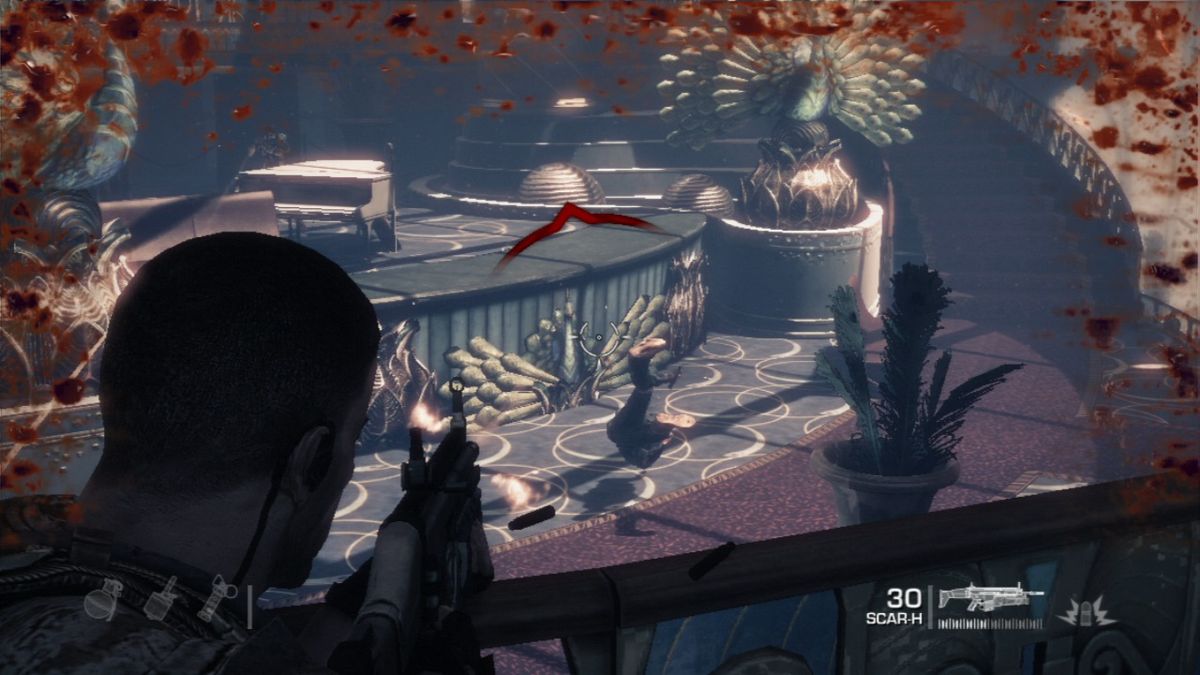
The first hour feels like a confident military shooter: move between waist-high cover, pop out to fire, sprint to the next position, and work through corridors full of insurgents. Walker’s regenerative health makes cover the essential rhythm, while the wounded grayscale screen and blood around the edges make a bad push immediately obvious. It is a responsive, easy-to-read loop, even when it rarely surprises you.
What helps is that Adams and Lugo are more than silent bodies at your side. You only directly control Walker, but you can point them toward a location, mark a specific enemy, ask for a flashbang, or have them heal one another. These commands give the fights a tactical edge without turning them into a demanding squad-management game. You can stay focused on aiming and positioning while still feeling like you are leading a three-person unit.
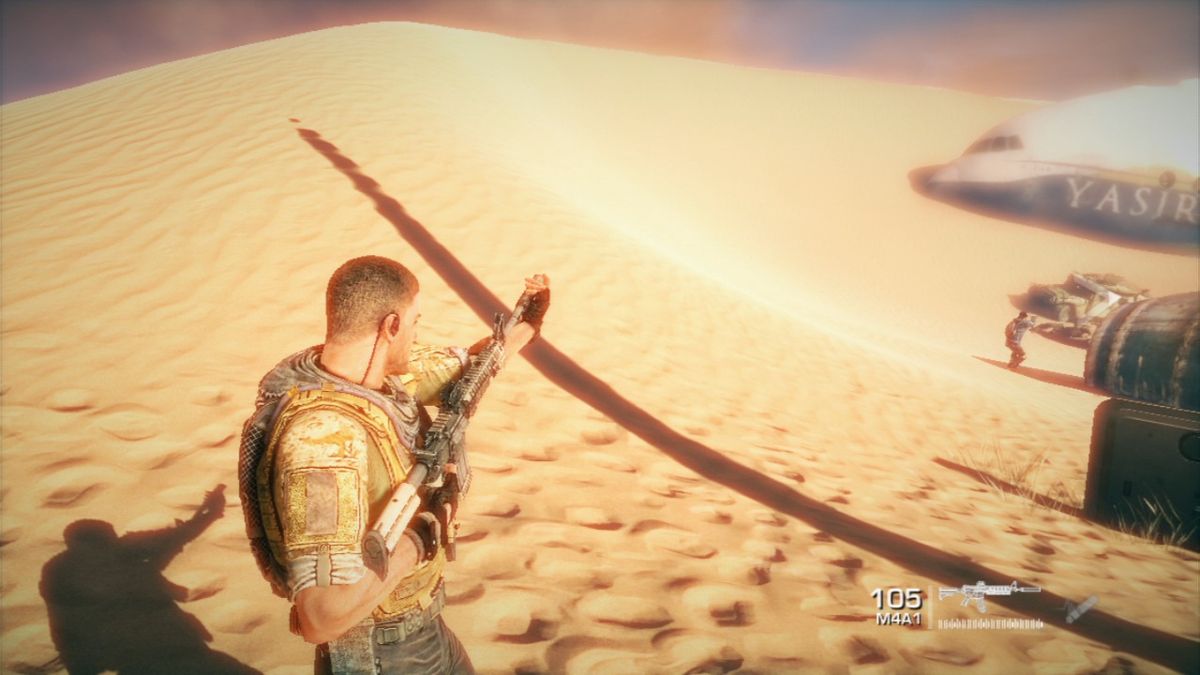
Dubai’s sand creates the campaign’s best combat wrinkles. A storm can blind sightlines, sand can be kicked into an opponent’s face, and a well-placed shot can bring down a sand-loaded roof or shatter windows over enemies. Later detours involving mortars, remotely aimed gunfire, static turrets, and helicopter shooting break up the basic rifle work. Still, the missions are largely linear and heavily scripted, so fatigue can set in when another encounter asks you to clear another chain of cover positions.
The campaign is the reason to play, not the multiplayer suite. Chaos, Mutiny, and objective modes such as Rally Point, Uplink, and Buried offer classes, loadouts, perks, leveling, and faction-specific options, but they sit apart from the tightly authored pull of the single-player story. If you arrive wanting a 15-chapter narrative shooter, the core game delivers; if you want a deep tactical sandbox, its corridors and set-piece structure will feel constraining.
Graphics
Sand-choked Dubai is the standout image: modern buildings and palaces sit damaged and decaying beneath a hostile desert, while storms can turn the view into a haze. The over-the-shoulder camera keeps cover fights legible, and the screen’s shift toward grayscale when Walker is badly hurt is a clear visual warning.
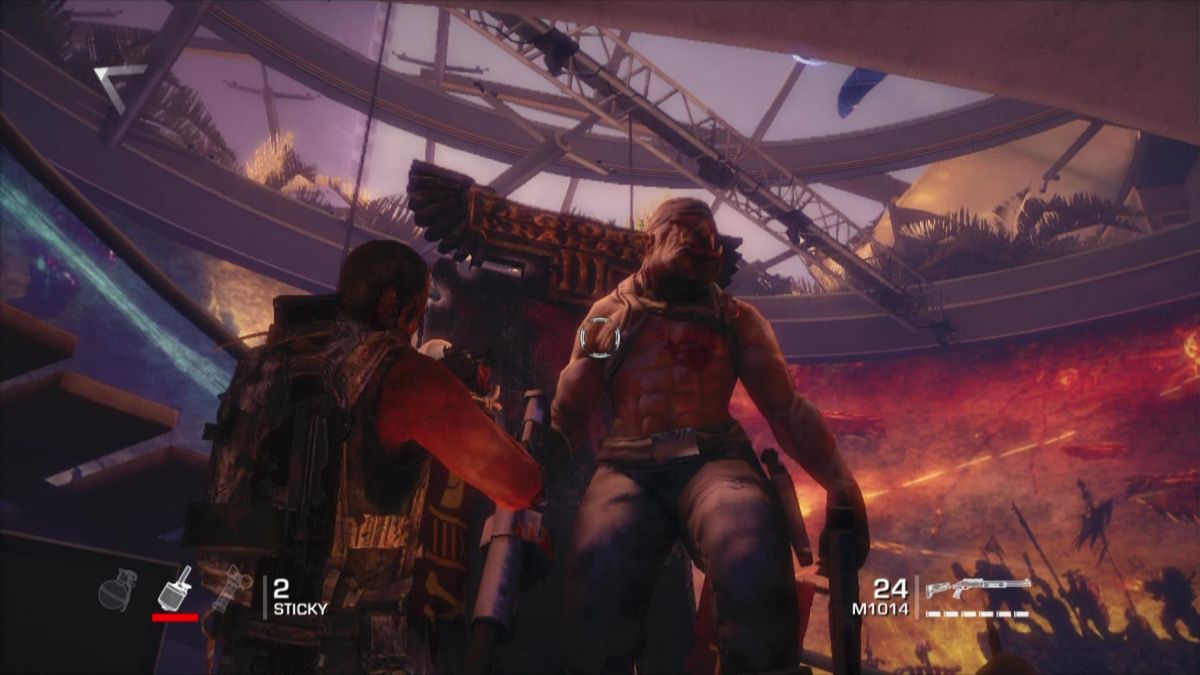
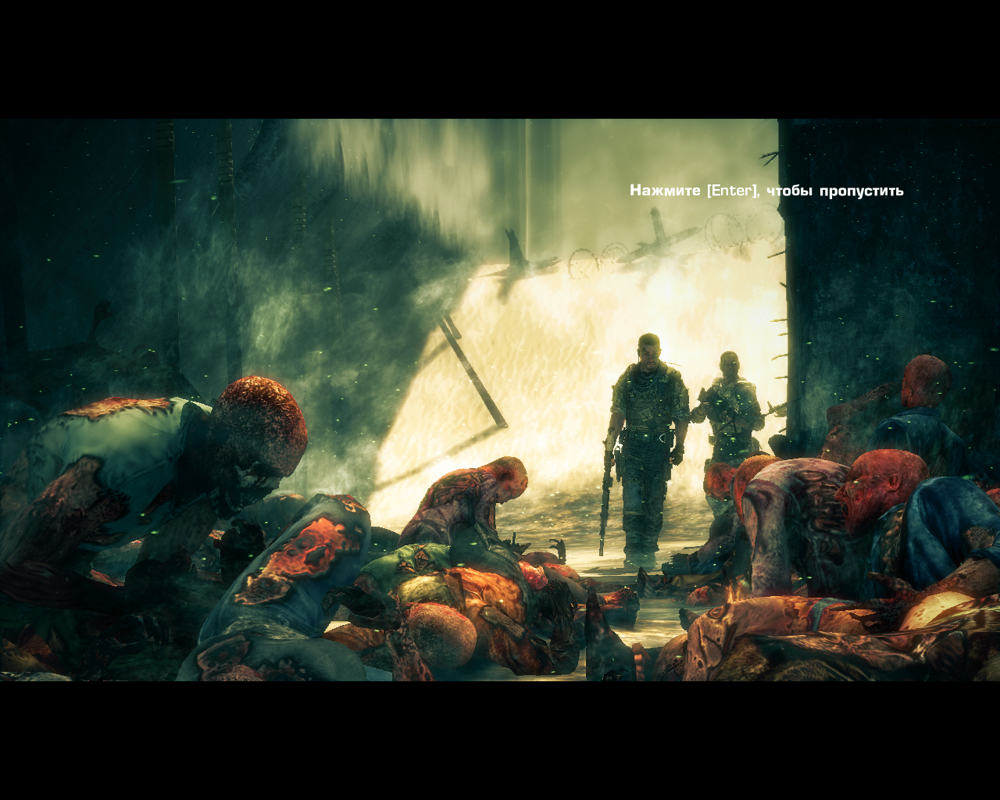
The game does not shy away from bodies, burned survivors, and dismemberment. That ugliness is deliberate and difficult to shake, especially as the squad travels farther into the ruined city.
Story
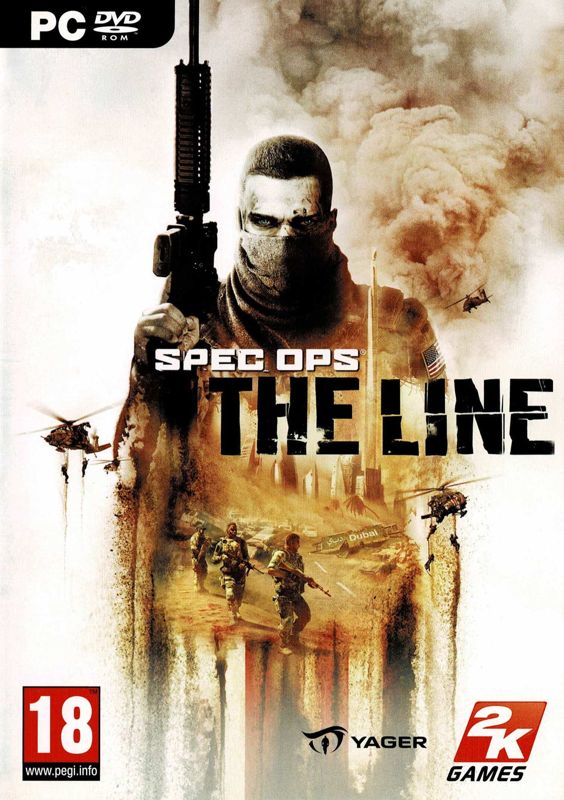
Spec Ops: The Line begins with a frantic helicopter battle, then rewinds to Captain Martin Walker, Adams, and Lugo entering Dubai to locate survivors of Colonel John Konrad’s failed evacuation. It is a strong setup because the order is simple: find whoever is left, get out beyond the storm wall, and call for help. The city immediately makes that sound impossible.
The writing gets its force from the squad’s conversations. As they find evidence of the 33rd Battalion and meet locals who see American soldiers as a threat, the mission stops feeling clean or heroic. Adams and Lugo react to what they see, challenge Walker, and keep the human cost in front of you instead of letting the action blur into another target range.
Its Heart of Darkness influence is not subtle, from Konrad’s name onward, but the game puts that inspiration to effective use in a military-shooter setting. The ethical decisions are especially harsh because they tend to ask you to choose between two bad outcomes. They do not change the immediate mission path, which weakens the feeling of agency, but they feed into four possible endings and, more importantly, reinforce the campaign’s central accusation: pressing onward is not the same thing as doing the right thing.
Overall Experience
This is a shooter whose ordinary mechanics are carrying an extraordinary burden. The cover combat is competent rather than exceptional, and its linear design can make the middle stretches feel like a familiar procession of arenas. Yet that familiarity becomes part of the point: you keep doing the expected shooter actions while the context grows uglier and harder to justify.
If you can tolerate disturbing imagery and a story that wants to unsettle rather than empower you, Spec Ops: The Line remains easy to recommend as a focused single-player experience. Go in for the squad dynamic, the ruined-Dubai setting, and a narrative that earns its darkness; do not go in expecting the tactical freedom of a dedicated squad sim.
It also stands apart from the older series material collected in Spec Ops: Platinum Collection, since this entry tells its own story and uses its own gameplay approach. For broader game history and release context, see this overview of Spec Ops: The Line. Its rough edges are real, but the campaign’s nerve and final impact are why it is still remembered.


Reviews
There are no reviews yet.