 Retro Replay Retro Gaming History, Reviews & Emulation
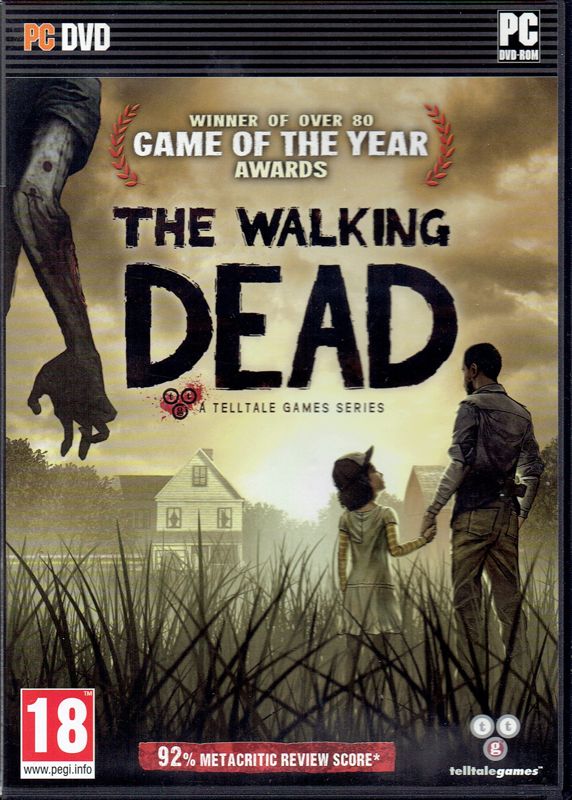


Retro Replay Review
Gameplay
You begin in motion, and that matters. Lee’s escape from custody drops you into the outbreak before you have time to settle in, then the game slows down long enough for its central responsibility to land: Clementine needs help, and you are the adult standing beside her. That immediate shift from escape to care gives even routine exploration a nervous edge.
This is an adventure game first, though it is less interested in knotty puzzle-box logic than in making you commit to people. You explore locations, examine objects, collect inventory items, and apply them where they are needed. The interaction icons make the basics clear, and the slightly broader freedom to look around helps the world feel less like a string of cutscenes. Most of the item use is direct enough that it keeps the pace moving rather than inviting long bouts of trial and error.
The pressure comes from timed dialogue and action sequences. A conversation can force a response before you have fully decided what Lee ought to say; staying silent produces a default answer, which makes hesitation a choice too. Quick-time events can be blunt and failure means death, while the short stealth sequences demand you move out and back before being spotted. These moments are not the game’s strongest feature, but they do stop the story from becoming completely passive.
Choices carry into later scenes and episodes, and the season’s chapter rewind is a welcome safety valve if one decision nags at you. Still, resist the urge to immediately undo every uncomfortable outcome. The point is not to engineer a perfect Lee; it is to live with the version of him you created. If you have not started the season, Episode 1: A New Day is where that commitment begins, and chronological play is absolutely the right call.
Graphics
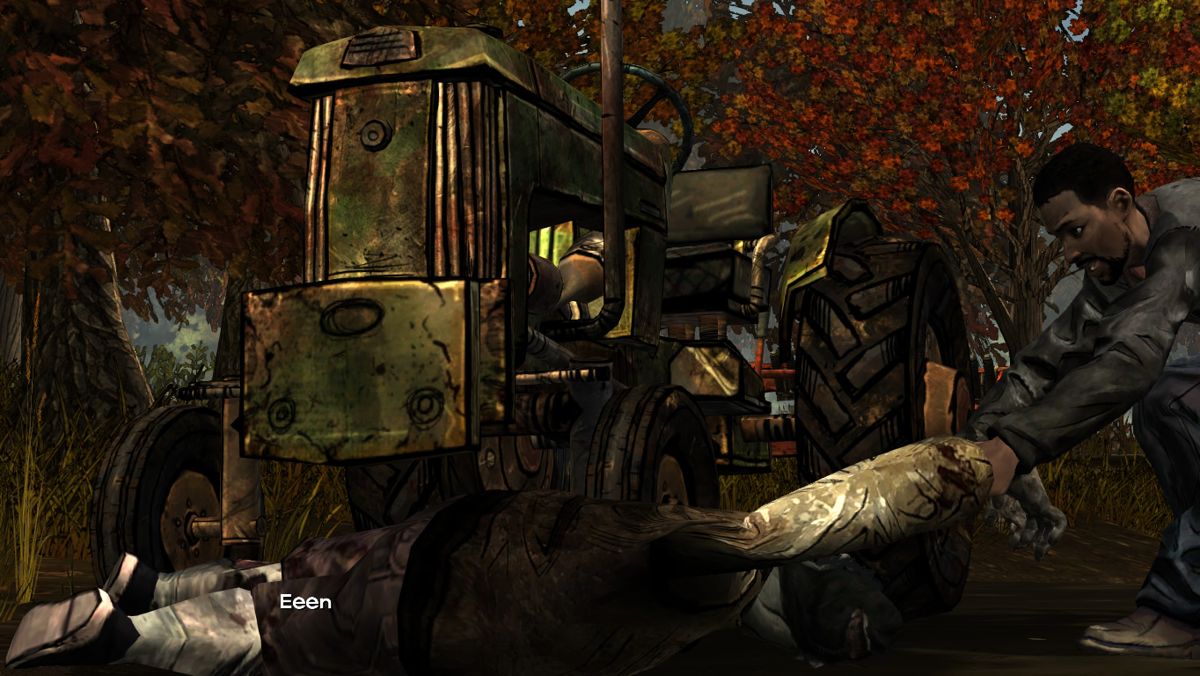
The third-person view and cinematic camera keep attention on Lee, Clementine, and the people around them during conversations, then tighten the framing when a zombie attack turns urgent. On-screen action icons and the optional Standard interface make exploration and major choices easy to parse; Minimal mode strips those hints back for a less guided run.
Story
Lee is not introduced as a blank hero. He is a former University of Georgia professor being taken to prison for murder when the outbreak interrupts everything, and that baggage makes his role as Clementine’s protector more complicated from the start. He is trying to reach family in Macon, she is alone after her home is overrun, and their partnership is the season’s emotional engine.
The writing wisely builds its drama around the people still alive rather than treating zombies as the only problem. Arguments, loyalties, fear, and split-second judgments carry more weight because Clementine is watching what Lee does. The game is darker than Telltale’s earlier work, with cursing and gruesome deaths, but its harshness has a purpose: it keeps asking what kind of example Lee can be when decent options are disappearing.
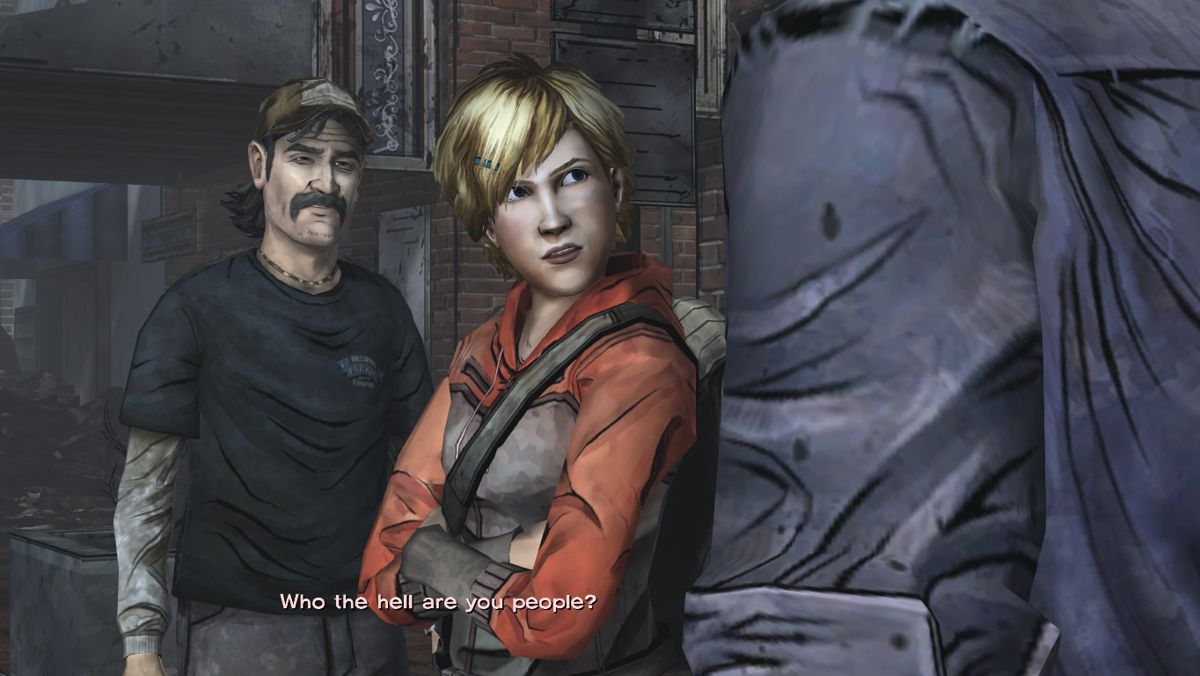
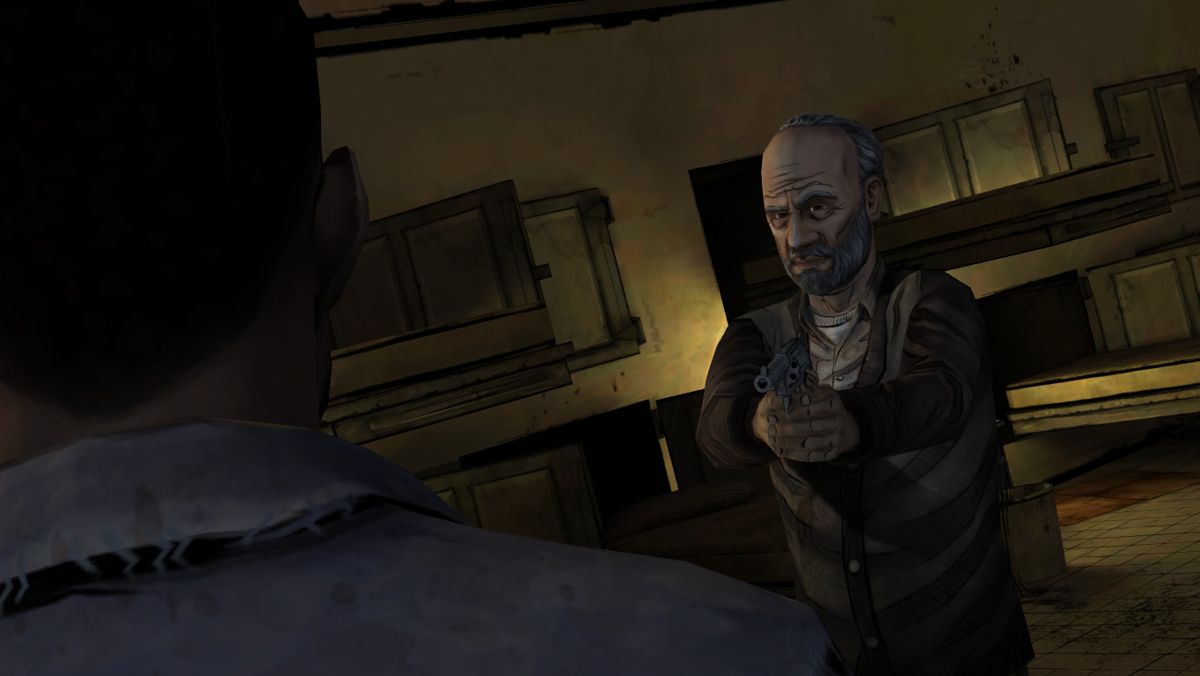
Familiar comic characters such as Glenn and Hershel appear, yet the story does not lean on borrowed faces to function. This is a parallel tale with its own cast and stakes. Every episode ends on a cliffhanger, and the following recap folds your earlier decisions back into the journey, which makes the five-part structure feel like one continuous, increasingly fraught road.
Overall Experience
The Walking Dead remains powerful because it knows exactly where to put its weight. You will remember the conversations where you had seconds to answer, the moments you chose whom to help, and the uneasy sense that Clementine is learning from Lee whether he means to teach her or not. The undead supply danger, but the human cost is what stays with you.
There are frustrations. Quick-time events can turn a dramatic scene into a test of reaction speed, and the adventure elements are functional rather than especially deep. The consequences are also stronger as character-defining moments than as radically branching plot routes. None of that breaks the spell, because the emotional throughline is so focused.
Give it a chance if you want an adventure that prizes acting under pressure over mastering difficult puzzles, and if you can accept violence in service of an often painful moral drama. Play the full season in order, let decisions stand when you can, and make room for its cliffhangers. The payoff is worth the discomfort: few games make responsibility feel this immediate.



Reviews
There are no reviews yet.