 Retro Replay Retro Gaming History, Reviews & Emulation
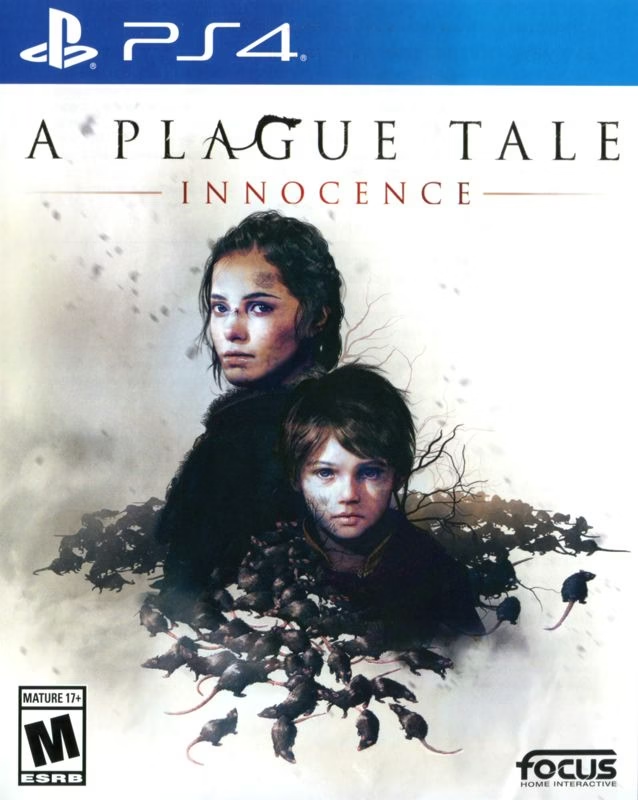
Retro Replay Review
Gameplay
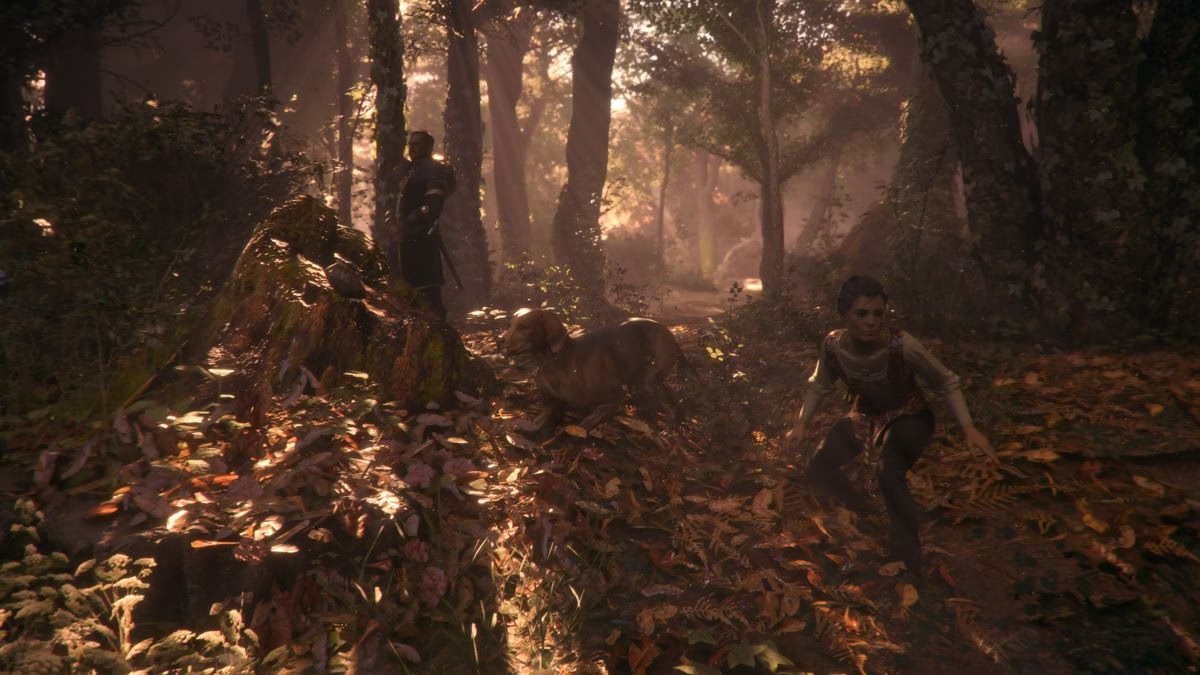
A Plague Tale: Innocence understands that being underpowered can be more exciting than being helpless. You spend much of the game guiding Amicia and Hugo through spaces where guards, darkness, and rats can all end a mistake quickly. That makes ordinary movement feel charged. A gap between two patrols, a brazier just out of reach, or a dark stretch of ground becomes a small problem worth studying before you commit.
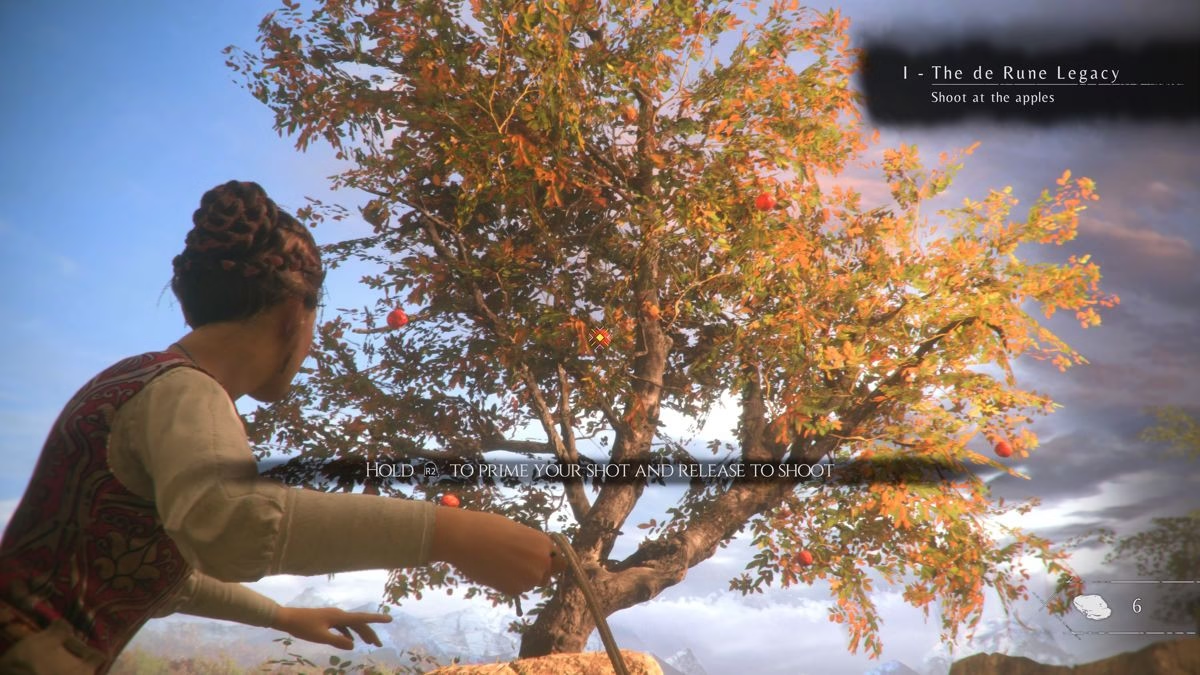
Amicia’s sling is the key to why the stealth works. It is not a weapon that turns her into a one-person army, and the game is better for that restraint. You use it to distract guards, break useful objects, and deal with threats when the situation permits. Upgrades that improve accuracy and reload speed make Amicia more capable over time without changing the fundamental pressure: direct confrontation is usually a bad idea.
The rat swarms give the game its sharpest puzzles. Since they avoid light and consume anything caught in darkness, torches, braziers, and lanterns become lifelines. Later tools such as Ignifer and Devorantis widen your options, letting you ignite protection or create an opening against armored enemies. Resource scarcity prevents these tricks from becoming routine. The chapters are linear and their intended routes can sometimes feel obvious, but the changing mix of patrols, light sources, and rats keeps the tension from going stale.
Graphics
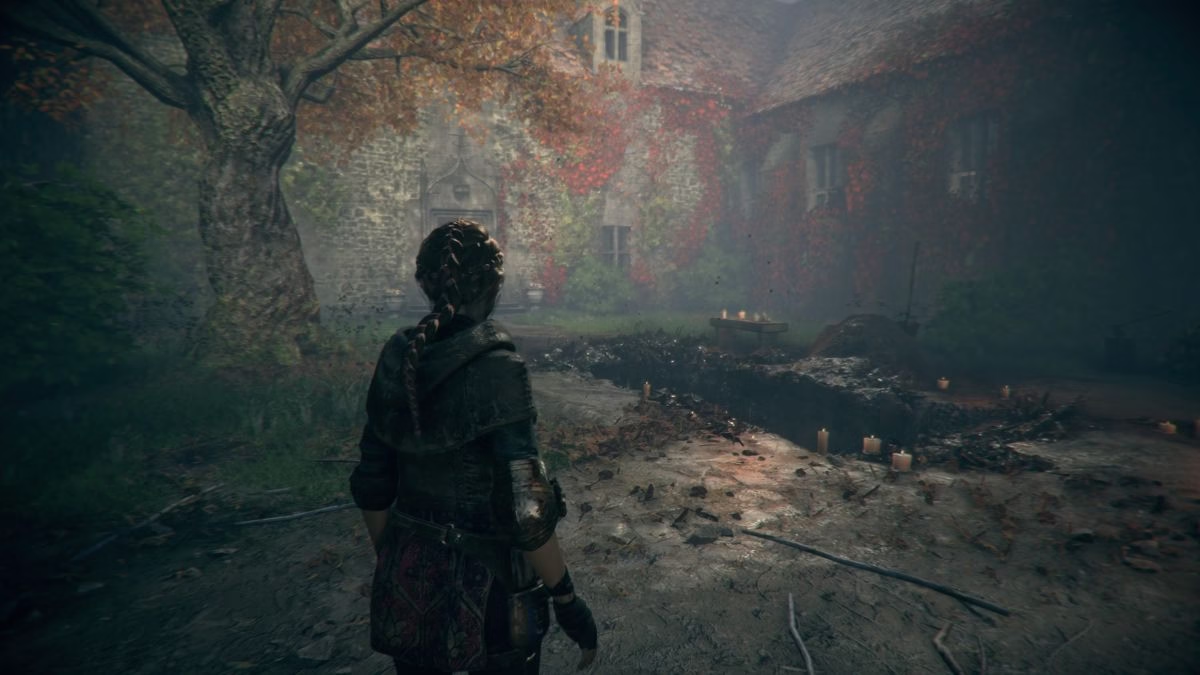
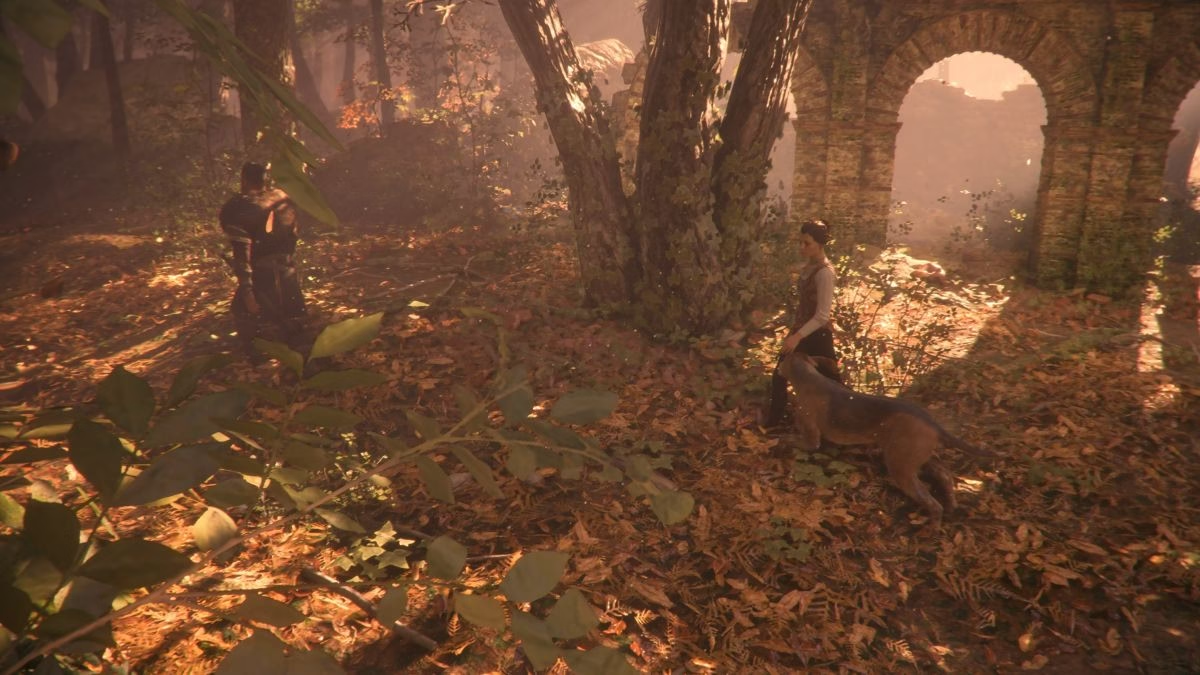
The countryside has a handsome, earthy look before the horror takes over. Sunlight pours through orange autumn leaves around the de Rune estate, catching on wet ground, mossy stone, and old arches. Amicia’s richly patterned red clothing stands out beautifully against the mud, grass, and weathered walls, while the close third-person camera keeps her and Hugo at the center of each location.
Darker scenes trade that warmth for damp paths, scattered candles, heavy shadows, and a grim, sickly atmosphere. The contrast between a tranquil manor garden and a nightmare-like ruined space does a lot of work, making the journey through France feel increasingly hostile.

Story
The opening premise lands because it strips Amicia’s protected life away so quickly. Her family is attacked by the Inquisition, forcing her to flee with Hugo, her younger brother. The broader backdrop of war and plague gives their escape scale, but the relationship between these two siblings is what gives it emotional traction.
Hugo’s unusual illness and its connection to the rat swarms give the story a mystery beyond simple survival. Amicia is not merely traveling from one safe place to another. She is trying to understand what is happening to her brother while the world around them becomes more dangerous and less humane.
The game’s linear chapters suit that focused story. Villages, battlefields, and ruined countryside are not stops on an open-world checklist; they are successive stages in a desperate flight. If you want a sprawling medieval sandbox, this is not that game. If you want a tightly guided historical-fantasy chase with a strong central bond, its commitment to forward momentum pays off.
Overall Experience
A Plague Tale: Innocence is at its best when it makes you feel clever for surviving with very little. Sneaking past guards is tense, but using fire to cut a route through a living carpet of rats is the kind of problem-solving hook that sticks with you. The game consistently finds ways to make its hazards overlap, so safety rarely feels permanent.
There are limits to its approach. The linear structure and emphasis on set solutions leave less room for experimentation than a more open stealth game, and anyone hoping for frequent, aggressive combat may find Amicia’s fragility frustrating. Yet that fragility is also central to the game’s personality. You are meant to feel like you are escaping catastrophe, not conquering it.
Give it a chance if you enjoy story-led stealth games where atmosphere matters as much as action. The mix of careful sling shots, scarce alchemical tools, light-based puzzles, and a sibling journey through a plague-ravaged France creates a focused adventure that earns its bleak reputation. It is unsettling, occasionally restrictive, and often genuinely absorbing.


Reviews
There are no reviews yet.