 Retro Replay Retro Gaming History, Reviews & Emulation
Retro Replay Review
Gameplay
Etrange Overlord starts from a strong action-game instinct: keep you moving, then make the battlefield itself part of the problem. Étrange can shoot, dodge, and slash through fights, but the revolving lane is the reason this does not sound like a routine hack-and-slash. Items, power-ups, buffs, and even characters circle around the map, so a useful resource may be headed your way one moment and drifting out of reach the next.
That moving-lane idea has real potential to make each encounter feel lively rather than simply crowded. You are not only trying to hit enemies quickly. You also need to watch the rotation, chase what you need, and avoid getting carried into a bad spot. If the pace stays as frantic as advertised, that could be a satisfying blend of quick reactions and split-second planning. It could also become overwhelming when several characters and circulating effects compete for your attention, so you will need to enjoy a little chaos.
The roster of more than 15 playable characters gives the game a welcome sense of scale. Gathering subordinates from across hell fits the conquest premise, and multiplayer for two to four people should make the busier battles more social. Co-op sounds like a good match for a game that wants you to improvise around a shifting battlefield, though it may also magnify the disorder for anyone who prefers careful solo action.
Graphics
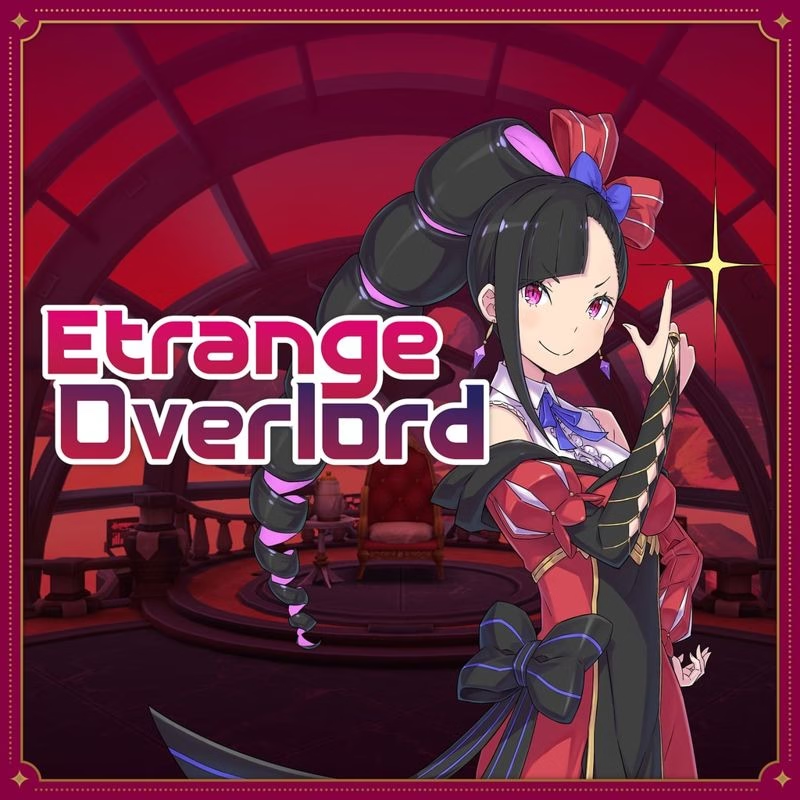
The character art is the clearest visual attraction. Shinichiro Otsuka’s designs give Étrange and her growing hellish entourage a polished anime look, with a cast built to carry a game where characters can ride, fight, and sing. The art direction leans into expressive personalities and an intentionally lavish fantasy sensibility rather than a restrained vision of hell.
Story
Étrange’s story gets moving with an enjoyably blunt injustice. Falsely accused of assassinating the king, she is executed, wakes in hell, and decides she might as well take over the place. It is a premise that gives the game permission to be irreverent from the start, and it is much more inviting than another save-the-world setup.
The tone aims for comedy, heart, and musical numbers instead of treating the afterlife as pure misery. That contrast should suit anyone who likes fantasy stories willing to make hell feel playful and theatrical. Étrange’s determination to live well under absurd circumstances is a better character hook than simple revenge, because it leaves room for the journey to become stranger than the opening betrayal.
A large group of allies from every corner of hell gives the story plenty of room for detours and personality clashes. The danger is that a sprawling cast can dilute the central conflict, but the premise is strong enough to carry a colorful ensemble if you are in the mood for a broad, heightened anime tale.
Overall Experience
Etrange Overlord stands out because it is willing to pile several big ideas together: fast action, a rotating battlefield, a subordinate army, sweets that improve your character, cooperative play, and musical storytelling. That is an awful lot, but it is also the point. This is clearly not chasing minimalism. It wants to be a loud, playful action RPG with a lot of personality.
The revolving lane is the feature that will decide whether the whole package truly clicks. If it creates tactical openings without making fights feel arbitrary, it could give the action a rhythm few comparable games have. If you want clean, predictable encounters, the constant circulation of allies and useful objects may be the source of your frustration.
Give it a chance if you enjoy anime action RPGs that value eccentricity over restraint and do not mind learning around a deliberately busy battlefield. The combination of a mischievous hell-conquest story and a genuinely unusual combat hook makes Etrange Overlord easy to recommend to anyone looking for something weirder than a standard fantasy brawler.


Reviews
There are no reviews yet.