 Retro Replay Retro Gaming History, Reviews & Emulation
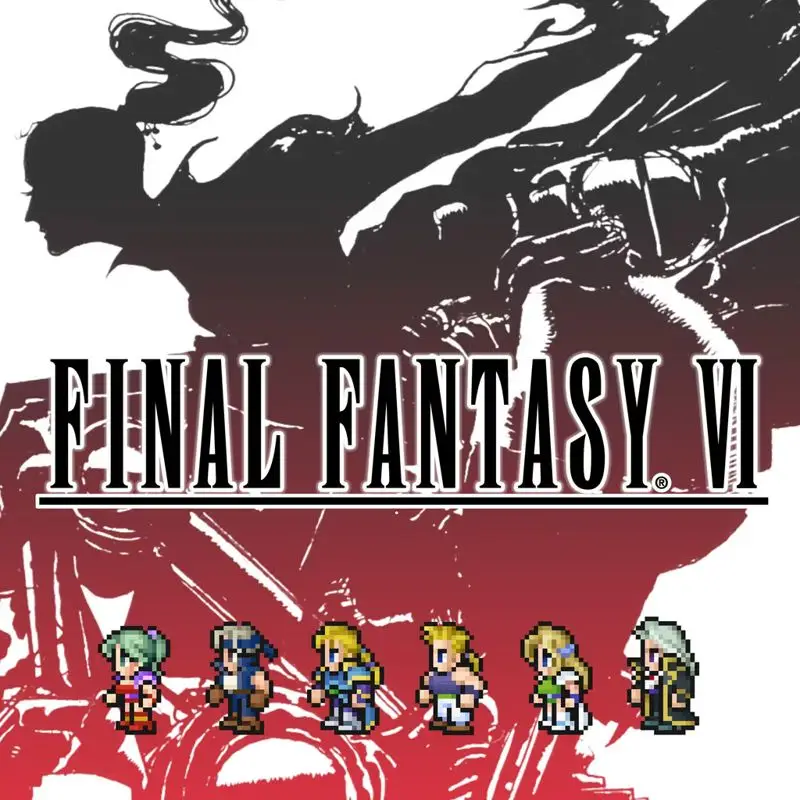
Game Overview
Gameplay
Final Fantasy VI is at its strongest when a new party member joins and immediately changes how you think about a fight. The Active Time Battle system creates a pleasant pressure: gauges keep filling, so you need to choose whether to heal, attack, set up a defensive answer, or capitalize on an opening. It is turn-based strategy with a pulse, and the cast’s individual commands prevent battles from becoming a flat procession of the same spell selections.
Sabin’s directional martial arts inputs, Edgar’s tools, Locke’s theft, and Celes’s Runic ability give the early and middle game a welcome sense of character in combat. You are not just assigning roles based on stats. You are learning what each person can do and when that trick is worth the time it takes on the battle clock. The system can ask for attention when several enemy turns are lining up at once, but that tension is usually the point rather than a nuisance.
Espers are where the game becomes more flexible. Teaching spells and improving statistics lets you push party members beyond their default lanes, so you can build toward the magic and attributes that suit your habits. Equipment, relics, summons, and a rotating party add more room to experiment without stripping away anyone’s core identity. If you enjoy poking into side paths and refining a group instead of rushing from plot beat to plot beat, there is plenty here to dig into.
The optional material has real value because it gives the adventure breathing room. The coliseum turns items into wagers with potential rewards, while hidden quests and optional characters encourage you to revisit the world with a more curious eye. The Pixel Remaster’s encounter-rate options, autosaves, faster battles, and improved Esper and inventory management are smart conveniences. They let you trim friction without reducing the game to a guided tour.
Story
Terra’s escape from imperial control gives Final Fantasy VI a strong personal entry point, but the story refuses to stay confined to one hero. It gradually becomes an ensemble drama about a decaying world, a rising resistance, and people carrying their own regrets and reasons to fight. The opera sequence is memorable because it lets the game slow down for an unusual narrative performance, while the major midgame upheaval gives the second half a different emotional shape. Not every character receives equal depth, but the breadth of the cast makes the world feel inhabited rather than built around a single chosen figure.
Overall Experience
This is a long RPG that earns its length through variety. Linear story stretches give the plot momentum, then towns, dungeons, world-map exploration, party changes, and optional pursuits reset the rhythm before things grow stale. The result is more adventurous than tightly streamlined. At times you may feel the game pulling your attention in several directions, but that sprawl is also why its world feels so rewarding to live in.
Its best quality is balance. Final Fantasy VI has serious stakes, but it leaves room for oddball party talents, side activities, and moments of theatricality. It wants you to care about its civilization-scale conflict, yet it also understands that a role-playing game needs detours, experimentation, and a reason to get attached to a team beyond raw efficiency.
If you want a heavily scripted modern RPG with little room to wander, some of its older-school pacing may test your patience. But if you want a story-rich JRPG where combat roles stay lively, character building offers meaningful freedom, and exploration pays off with more than filler, Final Fantasy VI remains an easy recommendation. This edition’s practical improvements make its classic structure far more comfortable to settle into, and the payoff is a journey that still feels expansive, personal, and worth finishing.

Reviews
There are no reviews yet.