 Retro Replay Retro Gaming History, Reviews & Emulation
Game Overview
Gameplay
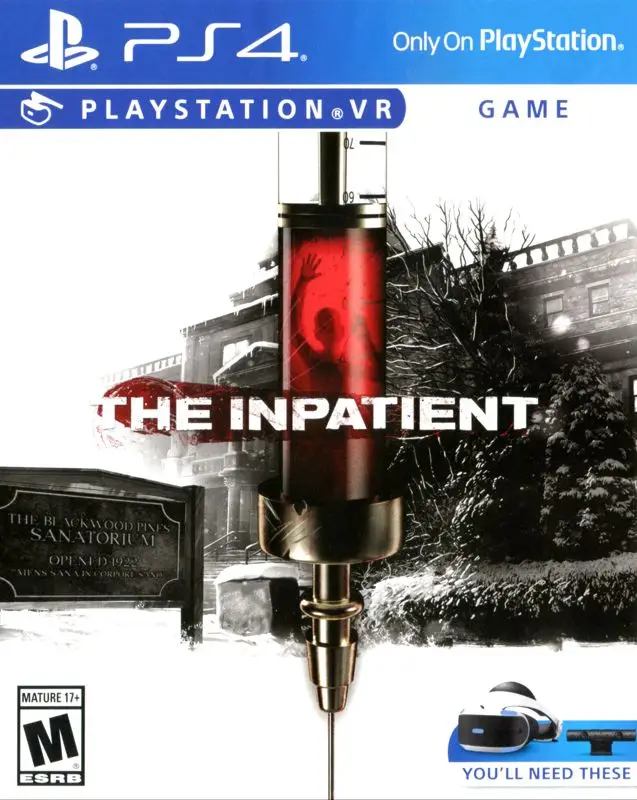
The Inpatient puts you in a particularly uncomfortable place from the start: you are an amnesiac patient in Blackwood Sanatorium, trying to understand why you have been committed before the situation turns worse. In VR, that premise lands more directly than it would on a TV. Looking around a dark room while another character stands close to you has an immediate, personal tension, especially when you do not yet know whom to trust.
Conversation choices are the backbone of the experience. Your decisions can alter how scenes play out and contribute to different endings, so it pays to answer as the person you think you are rather than trying to guess a supposedly correct response. The game also uses voice control, which can make speaking a reply feel more natural than selecting it from a distance. That is a neat fit for a story built around suspicion and role-playing your own identity.
Exploration is deliberately measured. You move through institutional rooms and hallways, listen to people around you, and chase fragments of understanding rather than charging through action-heavy encounters. That pacing will either pull you into the sanatorium’s unease or leave you wishing for more interaction between major story beats. Go in for a tense, choice-led horror narrative, not a broad showcase of everything VR can do.

Graphics
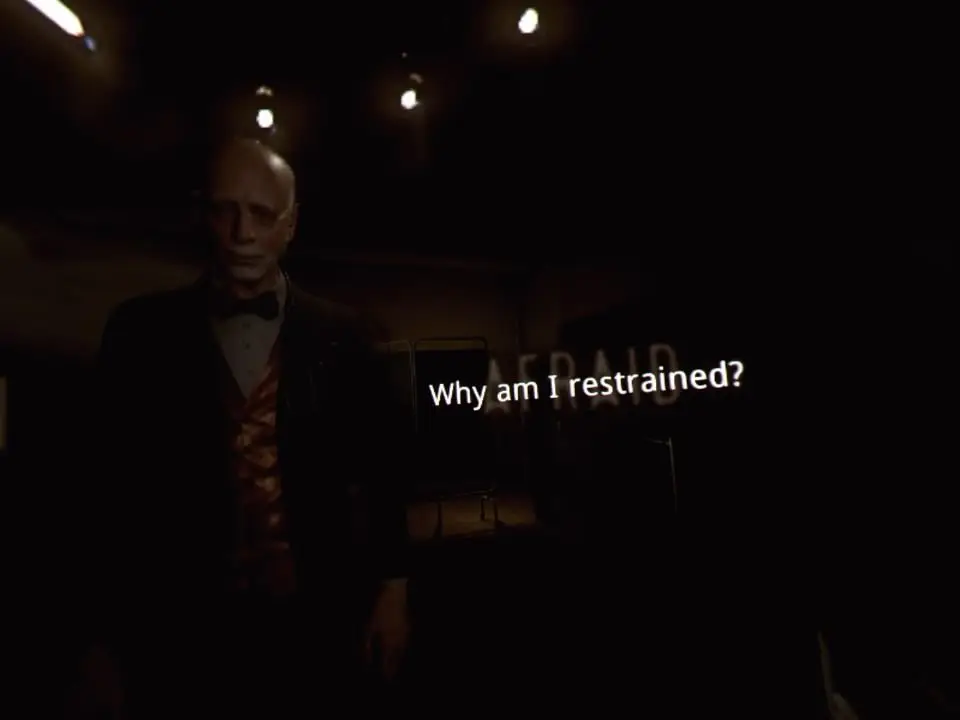
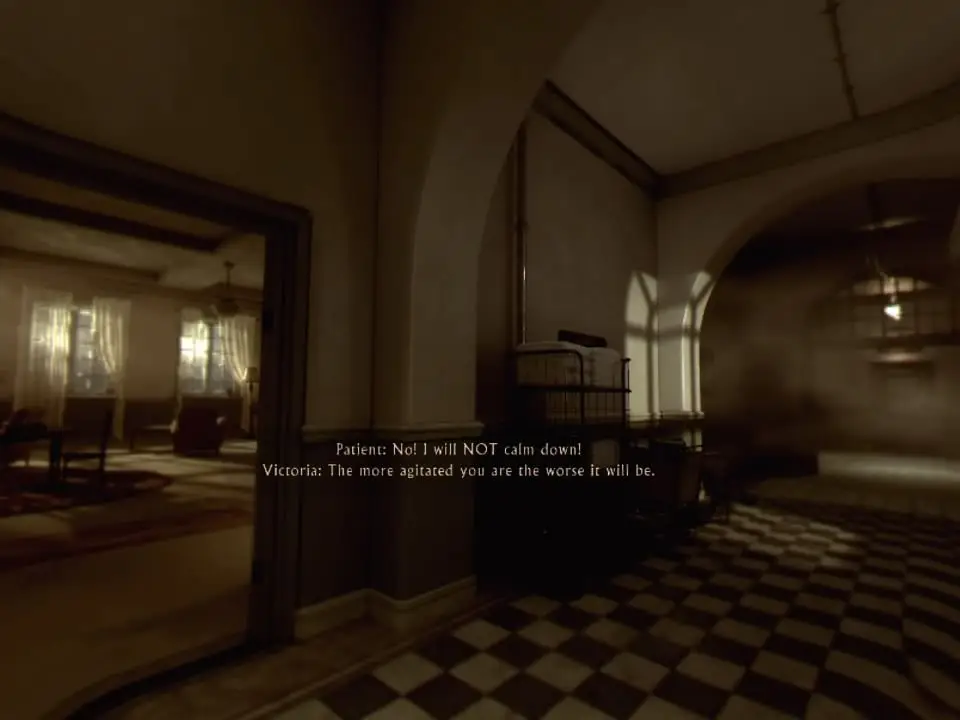
Blackwood looks grimy and convincingly lived-in on PlayStation 4. Yellowed tile, worn walls, barred doors, plain furniture, and pools of weak light make the sanatorium feel oppressive without needing extravagant set pieces. The first-person view also puts unsettling details at eye level: a doctor’s severe face looming in a dark room is far more effective than the same shot would be on a flat screen. Some spaces are plainly furnished, but the dim lighting and sickly institutional colors give the building a strong, claustrophobic look.
Story
Set decades before Until Dawn, The Inpatient uses its connection to Blackwood as a foundation rather than requiring you to know every prior detail. The central mystery is simple and effective: recover your memories, learn why you are in the sanatorium, and uncover the conspiracy behind the nightmare. Flashbacks give that search a useful structure, while the branching narrative makes your version of the patient matter. The writing is most compelling when it lets uncertainty hang in the air instead of rushing to explain everything.
Overall Experience
This is a solid but uneven VR horror detour. Its best moments come from inhabiting a vulnerable character rather than simply controlling one. Seeing your own arms, hands, and legs helps sell the idea that you are physically present in Blackwood, and the story’s conversational choices make that embodiment feel relevant instead of decorative.
At the same time, the game’s strengths are narrow. Much of the experience depends on whether its slow exploration, dialogue, and mystery keep you hooked. If you want constant surprises or a lot of mechanical variety, the walk through Blackwood may feel slight. The branching endings add reason to revisit, but the core draw remains the first trip, when every corridor and conversation still feels uncertain.
Give The Inpatient a chance if you have PS VR and want a compact, story-first scare with a clear Until Dawn connection. It does not reach the top tier of horror adventures, but its immersive viewpoint and premise can make a few hours in a decaying sanatorium memorably uncomfortable.


Reviews
There are no reviews yet.