 Retro Replay Retro Gaming History, Reviews & Emulation
Retro Replay Review
Gameplay
Pragmata starts by asking you to do more than win a gunfight. Hugh can move, shoot, evade, and use his jetpack thrusters, but armored robots will shrug off his attacks until Diana hacks through their defenses. That means every encounter becomes a small act of controlled panic: keep moving, avoid incoming pressure, guide a cursor through Diana’s grid, and then capitalize on the enemy’s exposed weak point after Diana opens its defenses.
That real-time hacking is the reason the combat stands out. Routing through the grid while avoiding obstacles is not a detached minigame between battles. It happens while the fight is still alive, so your attention is always divided between the space around Hugh and the puzzle in front of Diana. At first, it can feel like the game is asking for one thought too many. Once the cadence clicks, though, successful hacks create a satisfying opening for gunfire instead of feeling like a chore bolted onto shooting.
The rest of the structure gives that tension useful variety. Different weapons and ammunition constraints encourage more thought than simply relying on one favorite gun, while Diana’s hacking configurations can shift toward stronger damage or status effects. The Shelter hub lets you improve health, weapon performance, and hacking efficiency, then head into connected stages with a more deliberate loadout. Revisiting areas for upgrades, hidden spaces, and optional fights should appeal if you enjoy squeezing extra value out of an action game’s levels rather than rushing straight through them.
Graphics
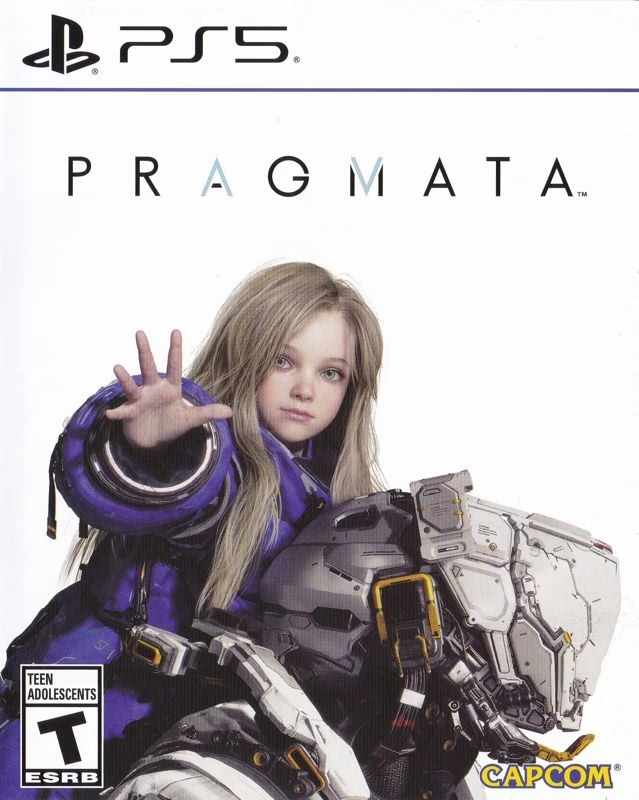
The third-person view keeps the focus on Hugh, Diana, and the hostile robots that occupy the lunar research station. The most memorable imagery comes from that contrast: a spacefarer armed with firearms and jetpack thrusters fighting alongside an android partner against machines whose armored shells must be cracked open before they can be hurt.
Story
The story has a clean, effective starting point. A catastrophic event leaves Hugh stranded on a lunar station taken over by the hostile AI IDUS, and meeting Diana turns survival into a shared escape effort. Their goal of understanding what happened and getting back to Earth gives the exploration a clear forward pull without requiring a needlessly complicated setup.
Hugh and Diana matter because the game makes their cooperation more than dialogue between missions. He handles traversal and combat while she changes what enemies can be damaged at all, so their narrative partnership has a direct counterpart in their combat roles. That is a stronger foundation than a story that merely assigns two characters separate jobs and calls it teamwork.
Environmental storytelling and character interactions carry much of the station’s mystery. The premise works best when you want a focused sci-fi escape story centered on two people learning how to rely on each other under pressure. It does not need to overcomplicate the basic conflict, because the relationship between Hugh and Diana already gives the journey its most human angle.
Overall Experience
Pragmata succeeds because it refuses to let combat become autopilot. The hacking grid makes you earn your damage opportunities, and the jetpack, weapons, and evolving configurations give you several ways to respond once a fight gets crowded. The result is action that can be stressful in the right way: demanding enough to punish sloppy attention, but rewarding when you finally manage the whole sequence smoothly.
The main hurdle is also the main recommendation. If you dislike solving a puzzle while managing live enemy pressure, the central loop may feel more aggravating than exciting. But if you enjoy action games that ask you to process several moving parts at once, the early friction becomes part of the payoff. You are not just waiting for an enemy vulnerability. You are creating it.
The hub upgrades, stage revisits, hidden areas, and optional combat encounters give the game a welcome sense of progression beyond the immediate battles. Pragmata is worth your time if you want a sci-fi shooter that treats coordination as a skill, not a background detail. Its best moments come when Hugh and Diana’s partnership stops feeling like a premise and starts feeling like something you have personally learned to operate.


Reviews
There are no reviews yet.