 Retro Replay Retro Gaming History, Reviews & Emulation



Retro Replay Review
Gameplay
The first few minutes are as direct as a video-game jigsaw can be: take in the complete picture, watch it break apart, and start picking up pieces with the cursor. There is no elaborate layer between you and the board, which is exactly right for a game built around the small satisfaction of recognizing a corner, matching a color patch, and gradually turning a mess back into an image.
Its best idea is choosing piece styles at random before a puzzle begins. Square blocks ask you to think in a clean grid; traditional jigsaw cuts make edges and shapes more important; zig-zag pieces disrupt those instincts again. That variation matters because the core task never changes. You are still reconstructing a picture, but you cannot settle into one solution rhythm every time.
Endless Mode is where the game’s simple loop has room to breathe. You can take your time and enjoy the methodical cleanup of the board. Time Attack gives the same activity a sharper edge, rewarding quicker recognition and making every fumbled cursor movement feel more costly. If you like pure, old-school jigsaw play, the controls and structure stay focused; if you need puzzles with escalating rule sets, this will feel narrow before long.

Graphics
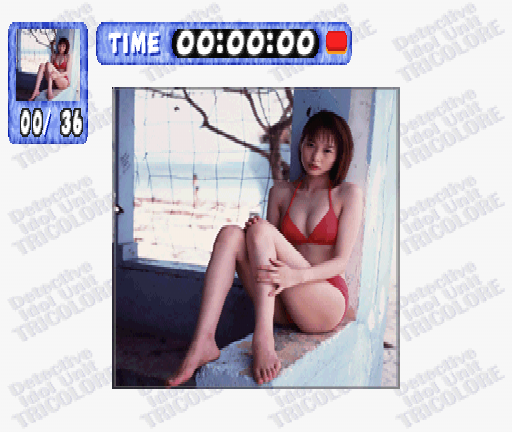
The pictures are the draw. You assemble images of Taku Kitazaki’s manga characters alongside photographs of swimsuit model Minato Yamabuki, then can revisit the available artwork in the image gallery. Seeing the full image before it is fragmented makes each board easy to recognize, and the changing piece shapes keep those pictures from feeling completely static.

Story
This is not a puzzle game trying to wrap its boards in a detective plot or a long adventure. The only real setup is the image itself: you see it whole, it is divided, and your job is to restore it.
That puts the manga connection in a particular role. The characters supply recognizable licensed artwork rather than a narrative you uncover one puzzle at a time. If you know and enjoy Kitazaki’s work, that connection gives the boards an immediate reason to matter.
The Minato Yamabuki images broaden the gallery beyond manga art, but they serve the same purpose: they are subjects to study and reconstruct. Go in for the images and the act of assembly, not for dramatic progression between puzzles.
Overall Experience
Nante! Tantei Idol: The Jigsaw Puzzle is modest, focused, and more deliberate than its title suggests. It understands that a jigsaw game lives or dies on whether you enjoy staring at an image, forming a mental map of it, and slowly proving that map correct. The random cuts give that familiar process enough movement to make repeated boards less automatic.
Frustration will mostly come down to your tolerance for cursor-driven piece placement and timed play. Time Attack can turn a normally soothing pastime into a pressure exercise, while Endless is the better fit when you want to linger over details. Switching modes is worthwhile because they highlight two different moods from the same basic puzzle set.
Give it a chance if licensed manga art, photo-based puzzle boards, and uncomplicated PlayStation jigsaws sound appealing. It is a specialized game with a specialized payoff: not a grand puzzle campaign, but a compact gallery of images turned into hands-on reconstruction challenges. For the right mood, that is enough.


Reviews
There are no reviews yet.