 Retro Replay Retro Gaming History, Reviews & Emulation
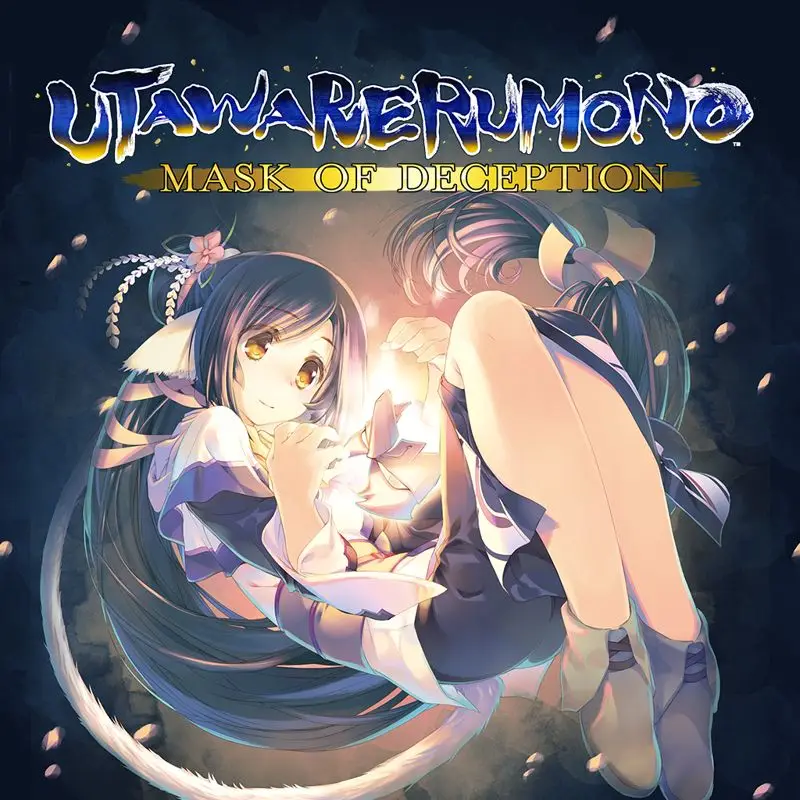
Game Overview
Gameplay
Utawarerumono: Mask of Deception is a game you meet on its own terms. For long stretches, you are reading, listening, and getting to know a large cast rather than moving from fight to fight. That balance will either be its hook or its biggest hurdle. If you came looking for a dense tactical RPG campaign with constant maps, the visual novel focus can make the early hours feel like a very long runway.
The tactical battles are a strong change of pace when they do arrive. Positioning matters through zones of control, and elemental weaknesses give you a reason to think beyond simply attacking the closest enemy. Precision-timed Attack Chains add a welcome bit of involvement to encounters, while Final Strikes give successful turns a satisfying sense of punctuation. It is not combat that overwhelms you with nonstop complexity, but it has enough moving parts to keep you engaged after the story has spent time setting the table.
The main frustration is structural: the game asks you to accept its story-first rhythm. You cannot treat the visual novel material as disposable downtime between battles, because that material is the bulk of the experience and the reason the later conflicts have weight. Meet it halfway and the mixture starts to click. Try to rush it, and even the more enjoyable tactical systems may not be enough to pull you through.
Story
Haku’s amnesia gives the journey an approachable opening, while Kuon serves as both rescuer and a memorable guide into the empire of Yamato. Their travels expand into a broader fantasy story of friends, monstrous enemies, and brewing conspiracies. The original Japanese voice track with English subtitles suits a tale built around conversation and character interplay, and the game’s real strength is its willingness to spend time with its ensemble before asking you to care about the danger closing in.
Overall Experience
This is a generous, patient blend of visual novel drama and turn-based strategy, and its patience is not accidental. Mask of Deception wants you invested in its people before it leans into conflict. That can make it feel leisurely, especially if you are used to RPGs that hand you a new dungeon or battle every few minutes, but it also gives the adventure a more intimate pull than a combat-first campaign.
Give it a chance if character-driven fantasy is your priority and you like tactical battles that reward attention without replacing the narrative. Haku and Kuon’s journey works best when you are willing to linger with the cast, enjoy the Japanese performances, and let the tactical sequences arrive as meaningful bursts of pressure.
Skip it if you need a fast pace or want strategy combat to dominate the package. For everyone else, the payoff is a likable, story-heavy RPG that uses its battles well and understands that a carefully built group of companions can make even familiar fantasy stakes land harder.


Reviews
There are no reviews yet.