 Retro Replay Retro Replay gaming reviews, news, emulation, geek stuff and more!

Retro Replay Review
Gameplay
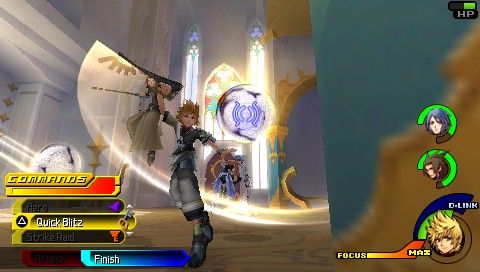
The first hour has the easy momentum you want from Kingdom Hearts: direct, behind-the-back action, a Keyblade in hand, and recognizable Disney destinations waiting beyond the opening. Then the Command Deck starts to matter. Instead of leaning on a traditional mana pool, you cycle through up to eight equipped commands as each one cools down after use. That makes fights feel more deliberate than simple button mashing; a healing command, a thrown Keyblade, or a strong spell is useful because of when it returns to the rotation, not just because it exists.
There is a lot of room to build toward your own preferred rhythm. Commands level up through use, characters gain experience, and successful attacks fill the gauge that can trigger stronger Command Styles and finishers. ShotLock adds a welcome change of pace by letting you target multiple enemies in first-person view before unleashing a protected barrage. When it all clicks, combat has a satisfying forward surge: keep pressure on enemies, watch the gauges, and turn a good string of hits into something much bigger.
D-Links are the system that gives the solo-heavy adventure its own personality. Linking with a friendly character grants access to that character’s Command Deck, and collecting D-Link energy can expand the deck and open an extra form. It is a clever answer to the fact that you spend much of the game without regular companions. Crafting and shops give you more commands to pursue, while the Command Board offers a Monopoly-like diversion where placing commands on owned spaces can earn you points and new techniques. The board game is a side dish rather than the reason to play, but it fits the game’s constant encouragement to experiment with your loadout.
Graphics
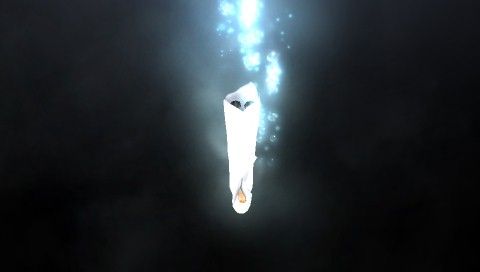
The behind-view action keeps the Keyblade fights easy to parse, and the Disney worlds give the game a pleasingly varied run of locations: Snow White’s Dwarf Woodlands, Hercules’ Olympus Coliseum, and Stitch’s Deep Space all bring their own familiar faces and enemies into the same adventure. Possessed objects, Unversed, Disney villains, and rival Keyblade wielders give battles plenty of different figures to pick out.
Story
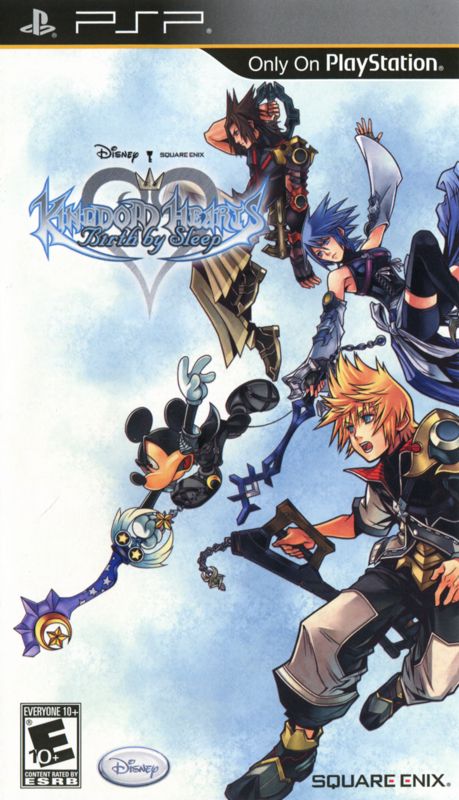
This is a prequel set ten years before the first Kingdom Hearts, and it gets its best drama from the friendship among Terra, Ventus, and Aqua. All three want to become Keyblade masters, but Terra’s struggle with darkness and Aqua’s quiet assignment to watch him put strain on that shared goal. Meanwhile, the Unversed are spreading through worlds that are still largely isolated from one another, and Master Xehanort’s disappearance gives the trio a clear reason to leave home.
The smart part is the three-route structure. You choose Terra, Ventus, or Aqua at the start, and each campaign catches different scenes and consequences across the same larger crisis. Terra may leave a world after being manipulated into a harmful task, while Aqua arrives to deal with the fallout. That perspective shift makes a second and third playthrough narratively meaningful rather than just an excuse to reuse content.
The downside is unavoidable: you do not get the complete picture from one character. If you only want a quick prequel, stopping after a single route will leave the story intentionally incomplete. If you enjoy piecing together Kingdom Hearts’ overlapping viewpoints, though, the payoff is substantial. Aqua, Terra, and Ventus each bring a different angle to the central conflict, and the game earns the time it asks you to spend with all three.
Overall Experience
Birth by Sleep is strongest when you stop treating it as a smaller Kingdom Hearts and meet it on its own terms. The Command Deck, cooldown-based combat, D-Links, and escalating styles make it more systems-driven than a straightforward action RPG, but they also make it gratifying to improve. You begin with a handful of moves; later, you are actively shaping how a fight unfolds and finding better moments to spend your strongest options.
The Disney material remains a big part of the fun. You help Snow White evade the Evil Queen, cross paths with Hercules, and deal with Stitch before his escape, all while Maleficent and other darkness-touched foes press in. These visits are not just postcards, since the three protagonists can encounter different parts of the same worlds. Bosses also range from possessed objects to Disney characters and other Keyblade wielders, which keeps the enemy lineup from feeling too uniform.
Give it a chance if you want a Kingdom Hearts game with more build experimentation and a story that rewards completion. The requirement to play three campaigns can become frustrating if you are mainly chasing a single clean narrative line, and the mini-games will not be equally compelling to everyone. But the core loop has enough flexibility to carry the long haul, and the multiplayer options—Command Board, deathmatch, Rumble Racing, and cooperative Arena battles—add extra value for PSP owners with local partners. This is a worthwhile prequel, especially once the deck-building systems stop feeling busy and start feeling like your advantage.


Reviews
There are no reviews yet.