 Retro Replay Retro Gaming History, Reviews & Emulation
Retro Replay Review
Gameplay
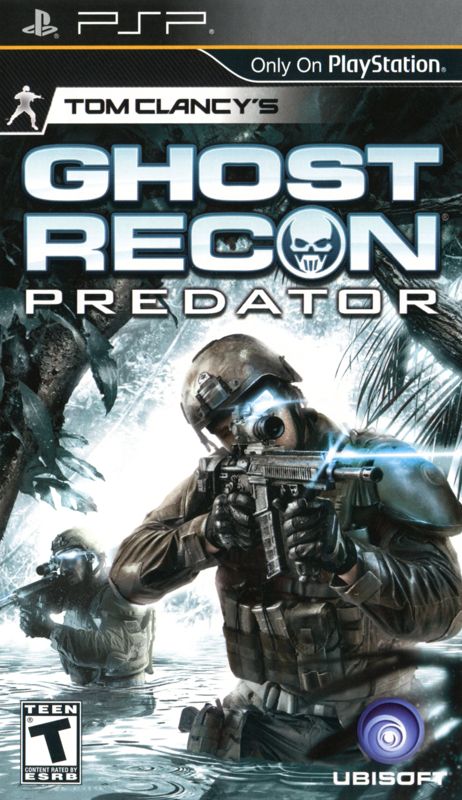
The first pull of Tom Clancy’s Ghost Recon: Predator is the familiar Ghost Recon tension between patience and aggression. You lead a team into Sri Lanka with key targets to eliminate, looking over your character’s shoulder and weighing the quiet route against going in guns blazing. That simple choice gives the missions a useful edge: you are not just asking whether you can win a fight, but whether you want to start one.
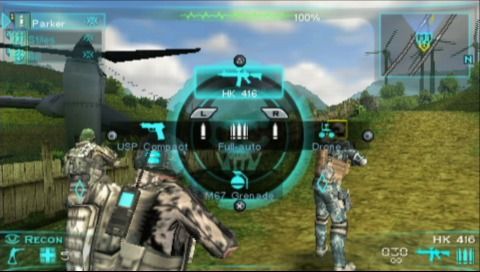
Your teammates matter, as do the tools around them. Drones, aerial support, and high-tech equipment push the game toward coordinated tactical action instead of a lone-soldier power fantasy. The strongest moments should come when you lean into that broader kit and treat the squad as part of the plan, rather than merely extra bodies accompanying you through the jungle.
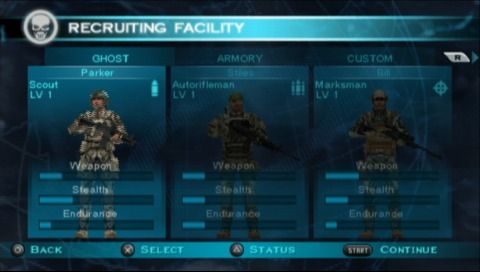
Experience points and Ghost upgrades give the campaign a welcome sense of progress. You are building capability as you move forward, not only clearing one objective after another. That loop makes Predator a better fit for you if you enjoy gradual squad development and deliberate mission planning; if all you want is nonstop shooting, its tactical framing may feel more restrictive than exciting.
Graphics
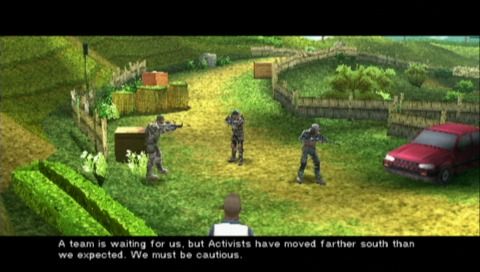
The over-the-shoulder camera keeps your Ghost and the jungle battlefield in view, a sensible angle for a game asking you to balance personal firepower with squad awareness. Sri Lanka’s jungle setting gives the action a clear military-infiltration backdrop, and the camera perspective suits the close, ground-level nature of the missions.
Story
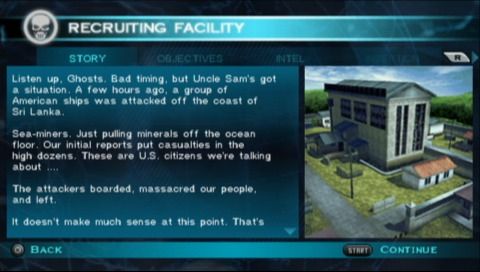
Predator begins with a clean military objective: remove key targets and prepare the way for U.S. forces. Then it pivots when the Ghost Team finds proof that it has been targeting the wrong enemy. That turn gives the operation a more interesting purpose than a routine sequence of eliminations.
The stakes escalate toward stopping a full-scale war, which is exactly the kind of threat this brand handles well. More importantly, the shift reframes the team’s work. You are no longer simply executing an assignment; you are trying to correct a dangerous mistake before it becomes irreversible.
Do not come to Predator expecting a detached arcade premise. Its story is tied directly to the mission pressure, and that connection helps the tactical choices feel consequential. The narrative’s value lies in giving your squad a reason to proceed carefully even when the easier instinct is to solve every problem with louder weapons.
Overall Experience
Ghost Recon: Predator earns its place by making team-led tactical shooting the center of the experience. The combination of stealth-or-assault decisions, squad support, equipment, and upgrades gives you several reasons to think before committing. It sounds particularly suited to a PSP session when you want military action with more structure than a straight run-and-gun shooter.
Its payoff depends on what you bring to it. If coordinating a team and using support options sounds satisfying, the game has a solid foundation; if you prefer to ignore planning and rush every target, you may spend more time resisting its strengths than enjoying them. The story’s wrong-enemy twist and looming-war stakes provide enough motivation to make careful play feel worthwhile.
For more Ghost Recon on a larger platform, the related Tom Clancy’s Ghost Recon Anthology is worth a look. You can also find game-specific release background in this Ghost Recon: Predator history. Predator itself is recommended for tactical-shooter fans who want to lead a squad, develop it over time, and decide when discretion beats firepower.


Reviews
There are no reviews yet.