 Retro Replay Retro Gaming History, Reviews & Emulation

Retro Replay Review
Gameplay
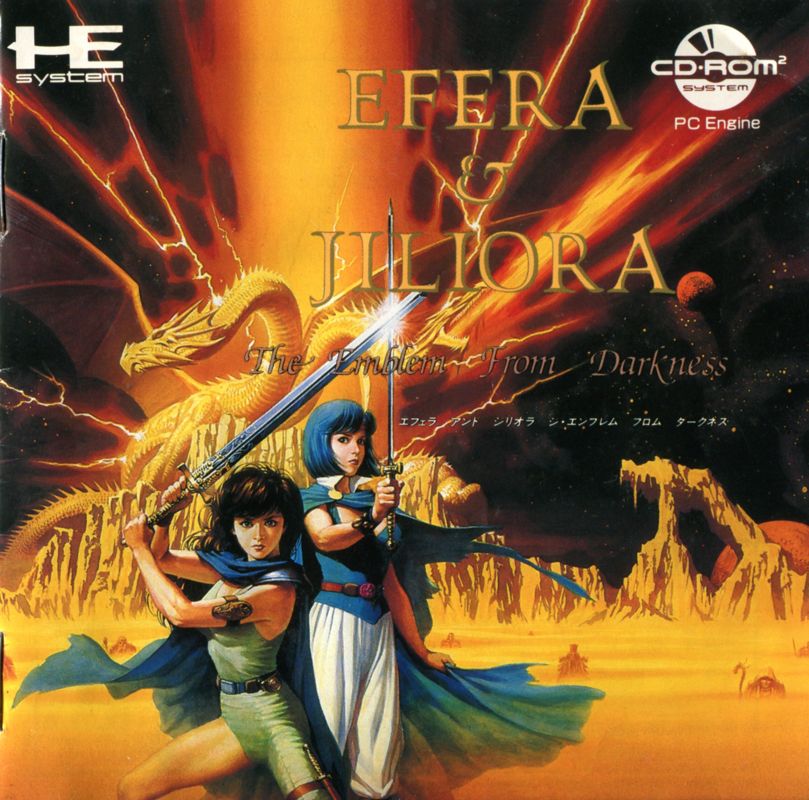
The opening choice between Efera and Jiliora matters more than a simple character portrait swap. Efera is the weaker fighter, but her ability to learn healing and offensive spells gives her a broader answer to danger as she gains levels. Jiliora begins from the opposite direction: she is stronger with a sword, but cannot cast magic at all. Instead, her advancing toolkit comes through rings that can bolster her blade, restore some health, or briefly make her invincible.
That divide gives you a practical reason to decide how you want to handle an action RPG before you even set out. Pick Efera if you enjoy managing magic and having access to recovery; choose Jiliora if you would rather press the attack and build around item-based powers. Neither approach sounds like a complete replacement for the other, which is exactly why the choice has weight rather than feeling cosmetic.
The wider loop is traditional RPG fare: travel through dangerous areas, defeat enemies for experience and money, then spend your earnings in towns on equipment and useful items. It is a dependable structure, though not an especially adventurous one. What keeps it from becoming anonymous is the character contrast, and the two-player mode gives the central pair a stronger reason to exist than they would have in a strictly solo quest.
Co-op is the clearest recommendation here. Having one person control each heroine lets Efera’s magic and Jiliora’s sword-and-ring approach sit alongside each other instead of forcing you to commit to one. If you are playing alone, the game asks you to live with that trade-off, so choose deliberately rather than expecting one character to cover every role.

Graphics
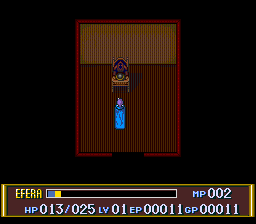
This is a top-down fantasy action RPG built around two anime-derived heroines, hostile travel areas, towns, and enemy encounters. The licensed Gude Crest connection puts Efera and Jiliora at the center, while the TurboGrafx CD format places the adventure firmly in the early-1990s console RPG tradition.

Story
The story begins with Efera and Jiliora escaping a slave ship, which is a harsh start for a fantasy adventure and quickly puts the pair on the move. A series of events leaves them with a powerful crest, drawing them into a larger conflict that goes well beyond mercenary work.
That crest belongs to a benevolent prince and princess who have been abducted by an evil cult devoted to an ancient deity. The immediate objective is clean and understandable: rescue the royal siblings, recover what was taken from them, and stop the worshippers behind the abduction.
It is a familiar fantasy rescue plot, but the two-woman lead is a useful change from the usual lone destined hero. The story also lines up neatly with the playable choice. Whether you take Efera’s magical route or Jiliora’s martial one, you are still pushing the same partnership through a quest that begins with survival and grows into a fight against a cult.
Overall Experience
Efera & Jiliora: The Emblem from Darkness is for the action-RPG fan who can enjoy a straightforward leveling-and-shopping loop when the playable characters give it some flavor. Its strongest idea is not the royal rescue or the ancient evil; it is the contrast between a frailer spellcaster and a tougher sword user whose special options arrive through rings.
The limitations are equally clear. The structure is rooted in well-worn genre habits, and a solo run means giving up either magic or Jiliora’s physical advantages. That may frustrate you if you want one hero who can do everything, but it also makes the two-player mode feel more than incidental.
Give it a chance if you enjoy early action RPGs, anime-licensed fantasy, and character builds that genuinely change how you approach combat. Bring a second player if you can. For everyone else, this is a solidly focused curiosity rather than an essential genre landmark: appealing because of its duo, not because it reinvents the quest around them.



Reviews
There are no reviews yet.