 Retro Replay Retro Replay gaming reviews, news, emulation, geek stuff and more!
Retro Replay Review
Gameplay
The first hour has an unusual push and pull. Amuru’s opening gives you a reason to care about setting out, but the game soon hands you a six-person party and lets the wider world take over. This remains a fundamentally open Western-style role-playing game: you explore from a first-person view, engage enemies in turn-based combat, and make your own momentum rather than following a tightly managed story path.
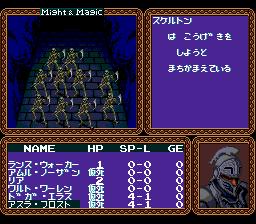
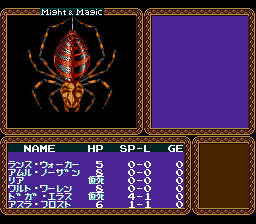
That freedom is the reason to play, but the fixed party changes its texture considerably. You are not assembling an ideal group from scratch; Amuru and the other five characters arrive with their own names, portraits, classes, and alignments, and they stay put. It is less personal as a character-building exercise, yet it also gets you moving immediately. Treat this version as an authored party dropped into a broad, demanding adventure rather than a blank canvas for party design.
Combat retains the familiar basic structure, though the enemy roster differs and encounters can throw more than ten foes at you at once. Those larger groups give fights a more intimidating edge and make routine exploration feel less predictable. The added encounters and quests are welcome because they create more reasons to poke around, but they do not turn the game into a story-led Japanese RPG. Exploration is still in charge.
Graphics
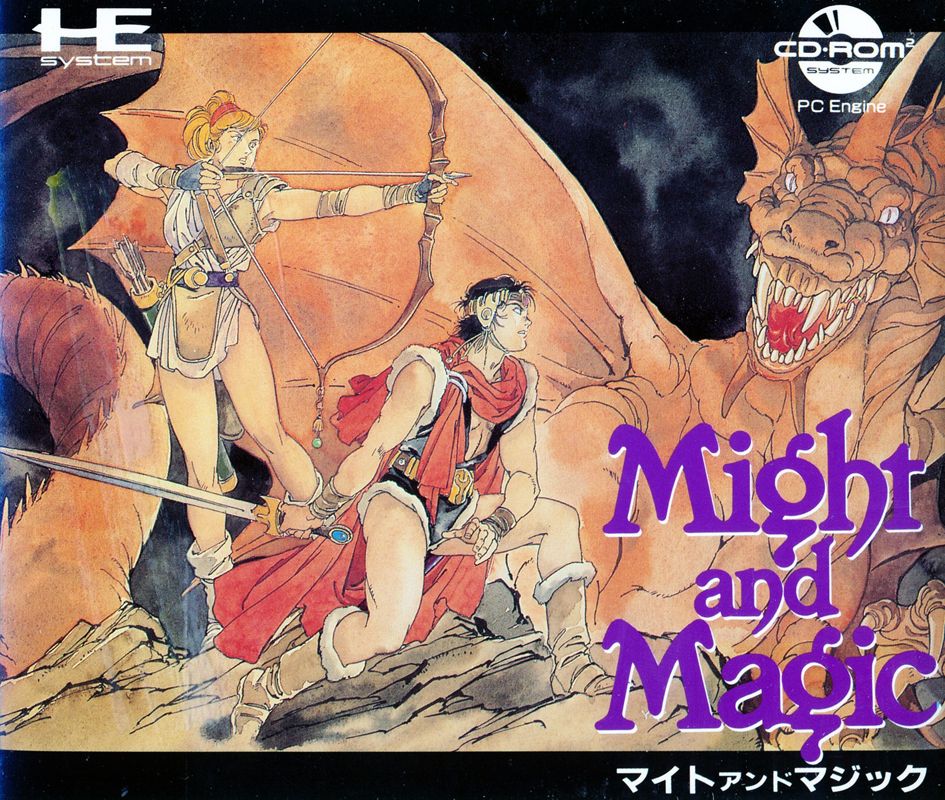
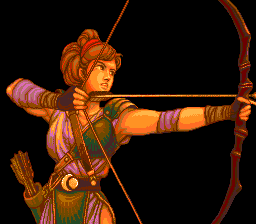
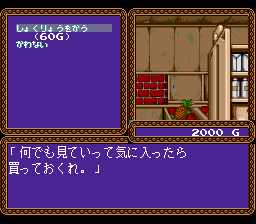
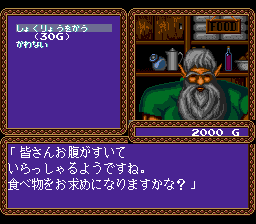
You spend the journey looking through a sparse first-person view of a vast fantasy world, while the characters, enemies, and NPCs have been redrawn with a much stronger anime influence. The fixed heroes’ portraits give the party more immediate character, and the redesigned creature art helps this edition look notably different from other versions even when the world itself remains visually lean.
Story
Amuru is the closest thing here to a conventional lead: an evil centaur destroys his ship with a magic bolt, and an elderly cleric saves him. It is an effective, concise setup, and it gives this edition a specific point of entry that the more player-created approach lacks.
Do not expect that premise to carry every hour. After the introduction, the narrative steps aside for free-roaming exploration, and the other party members’ motives are not meaningfully explained. The result can feel abrupt if you came in hoping the shipwreck would launch a sustained character story.
Still, the added quests and encounters give the world more hooks than a purely aimless crawl. The story works best as flavor around an adventure you create through exploration, not as the main reward for pushing forward. If that is your preferred kind of fantasy RPG, Amuru’s framing is a pleasant bonus rather than a disappointment.
Overall Experience
This is an intriguing conversion because it makes a bold trade: less control over who travels with you, more identity in the party you are given. Some veterans will never forgive the loss of custom party creation, and fairly so. That freedom is central to the broader Might and Magic formula.
Yet the trade is not empty. The bespoke introduction, fixed cast, added quests, altered enemies, and anime-leaning redraws make this feel like a real reinterpretation rather than a routine port. You get the same wide-open, first-person, turn-based foundation, but with a slightly more guided invitation into it.
Give it a chance if you enjoy old-school exploration and can accept making do with the six heroes assigned to you. Skip it if party creation is the main reason you play these games or if you need the plot to remain front and center. For everyone else, the payoff is a curious, characterful variation on a sprawling fantasy RPG that still trusts you to find your own path.


Reviews
There are no reviews yet.