 Retro Replay Retro Replay gaming reviews, news, emulation, geek stuff and more!
Retro Replay Review
Gameplay
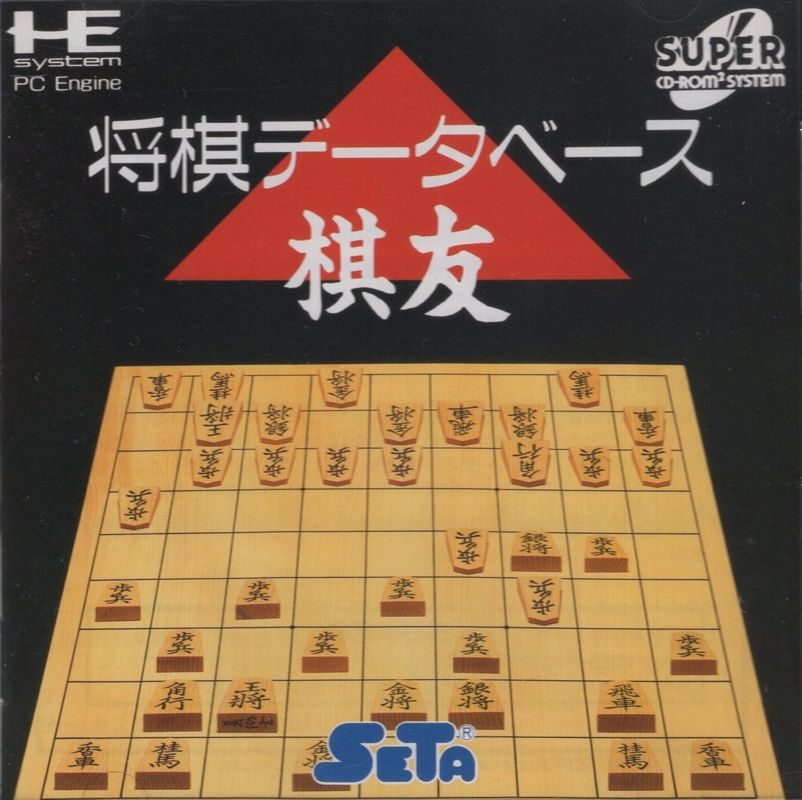
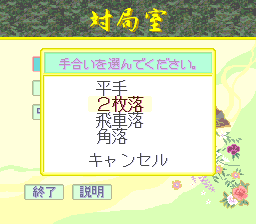
Kiyū is built for the kind of satisfaction that comes from staring at a board, doubting every option, and eventually finding a move you can defend. The main attraction is straightforward shōgi competition, either against another human or across three computer difficulty levels. That range matters: you can start by getting comfortable with the flow of a match, then move up when easy wins stop teaching you anything.
What gives the package more staying power is its willingness to let you study instead of merely queueing up another game. You can analyze and replay positions from existing shōgi matches, which is exactly where a strategy game starts to become more rewarding for a curious beginner. Seeing a position again and working through it at your own pace is a better lesson than blindly absorbing a loss to the computer.
The problem and etude modes are the strongest argument for Kiyū. Each of the three difficulty tiers has more than forty examples, so there is enough material to turn a quick session into a regular practice habit. Frustration will set in if you want instant answers or arcade-like momentum; this is a game that asks you to sit with a position. For shōgi fans, that patience is the payoff.
Graphics
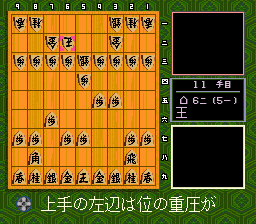
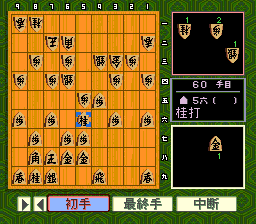
You spend your time looking at a shōgi board and its pieces, with the important action centered on the changing position rather than decoration. That suits analysis, replays, and problems well: the board is the point, and Kiyū keeps your attention there.
Story
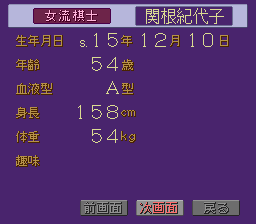
Kiyū’s closest thing to a narrative is shōgi history. Its database of famous players includes biographical information and records, giving the game a useful human thread beyond the next move on the board.
That material works best when you already care about the people and matches behind the game. It turns the disc from a simple opponent-and-puzzle collection into something with a little context: not just how positions work, but who helped build the tradition around them.
If you are exploring other retro shōgi releases, Shōgi no Hoshi is a worthwhile related point of comparison. Kiyū distinguishes itself through its emphasis on records, replay, analysis, and study problems.
Overall Experience
Shōgi Database: Kiyū knows its audience and does not waste much time pretending to be anything else. It is a serious board-game tool wrapped in a console release: competitive matches when you want to play, structured examples when you want to improve, and player records when you want context.
Your first hour will likely be split between testing the computer and poking at the problems. The deeper pull arrives once you start using the replay and analysis material to understand why a position works. At that point, the game becomes less about beating an AI level and more about building your own board sense.
Give it a chance if you already play shōgi, are learning its particular tactical language, or enjoy chess-like games that reward deliberate study. If all you want is fast multiplayer entertainment, Kiyū will feel dry. But for the right gamer, its dense set of exercises and reference material makes the slow, thoughtful pace worthwhile.



Reviews
There are no reviews yet.