 Retro Replay Retro Gaming History, Reviews & Emulation
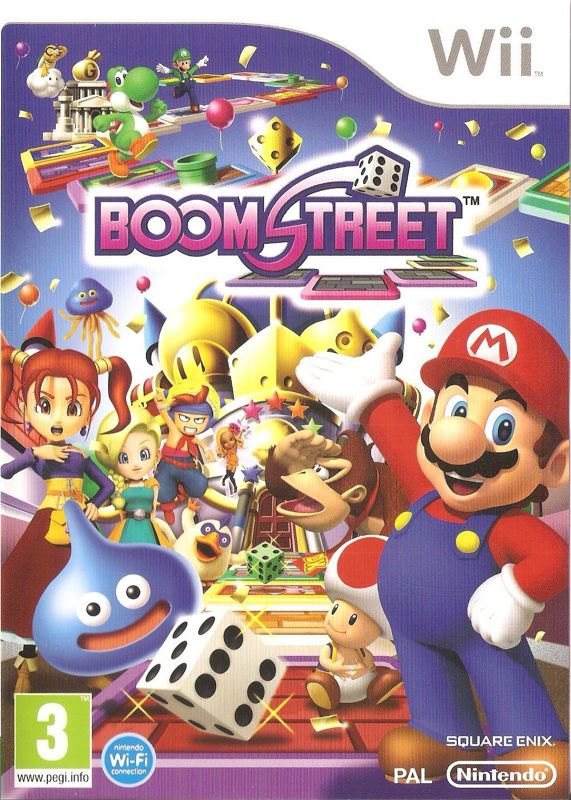
Retro Replay Review
Gameplay
Fortune Street starts with the familiar pleasure of rolling a die and hoping the next square belongs to you. Buying property and charging rent are immediately recognizable, so you can settle into a match without needing to learn a dense strategy-game rulebook first. That comfort is a bit deceptive. Once ownership spreads across the board, every move becomes a decision about saving cash, developing what you own, or putting money into stocks.
The stock system is where Fortune Street finds its own rhythm. Stocks can generate revenue from rent collected on other players’ properties, which turns rival success into something you may want to profit from rather than simply stop. Collecting the heart, diamond, club, and spade also matters, increasing personal worth and tying your route around the board to your broader financial plan. It is more involved than simply trying to buy every space you touch.
Luck never leaves the table, and that is both the game’s social energy and its sharpest irritation. Card spaces can trigger random events, while other spaces can specifically shut down your properties and halt rent collection. You can make a smart investment and still watch the next roll hand someone else the opportunity you needed. If you enjoy Monopoly precisely because fortunes can turn ugly and funny in a single lap, that volatility will feel right; if you want outcomes tightly controlled by skill, it can wear on you.
Different maps also change what you are working toward. Some matches end when everyone else goes bankrupt, while others ask you to hit a target amount of wealth. That distinction matters: bankruptcy contests encourage squeezing opponents, whereas wealth targets make efficient growth and personal worth feel more urgent. Give it time to get past the early purchases. The stronger matches are the ones where a modest property, a useful stock position, and the right card collection finally start pulling together.
Graphics
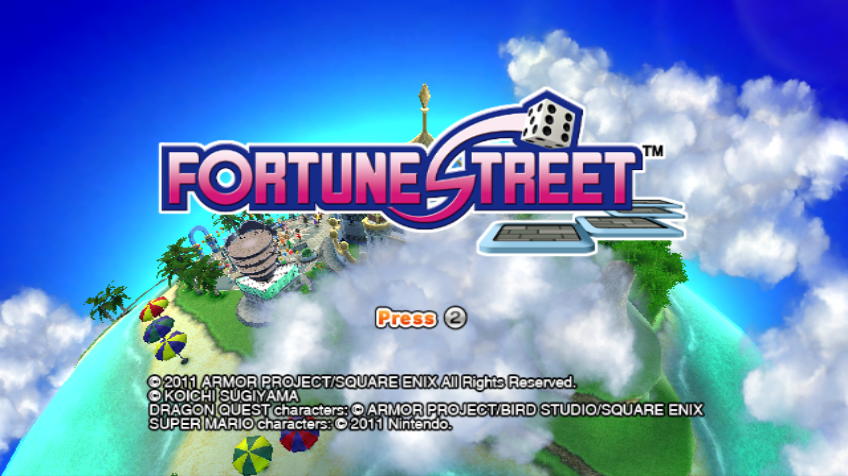
The game uses a diagonal-down board-game view, keeping the spaces and property layout in front of you as everyone circles the map. Mario and Dragon Quest characters and settings give the boards a recognizable crossover flavor rather than leaving the contest as a plain real-estate simulation.
Story
Fortune Street is built around competition, not a plotted adventure. Its Mario and Dragon Quest connection is expressed through the characters and settings brought to the board, while the drama comes from who owns what and who gets trapped paying rent.
That makes each match’s story pleasantly personal: one player gets rich early, another recovers through stocks, and a nasty event interrupts somebody’s carefully built income. These are table stories rather than scripted ones, the kind you recount because a single landing changed the entire mood.
The crossover is best treated as seasoning for the board-game rivalry. You do not need attachment to either series to understand the contest, but fans will likely enjoy seeing their worlds folded into a shared game of money, movement, and escalating grudges.
Overall Experience
Fortune Street is at its best when you want a board game with more to think about than basic property hoarding. The familiar roll-and-buy structure gets you in quickly, while development, stock purchases, suit collection, and map-specific victory conditions give the middle game enough texture to reward attention.
Its weakest moments are also inseparable from the format. Random cards, unlucky rolls, and spaces that close your properties can make a good plan feel briefly helpless. That does not make strategy meaningless, but it does mean the game asks you to enjoy the chaos alongside the calculation.
For a relaxed but competitive Wii game night, Fortune Street earns a recommendation. Stick with it through the opening circuit, learn when a stock investment is worth more than another property, and accept that the board will occasionally laugh at you. The payoff is a pleasantly cutthroat virtual board game where a lead is never quite safe.


Reviews
There are no reviews yet.