 Retro Replay Retro Gaming History, Reviews & Emulation
Retro Replay Review
Gameplay
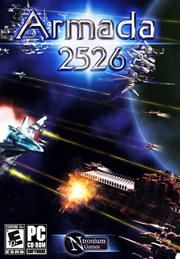
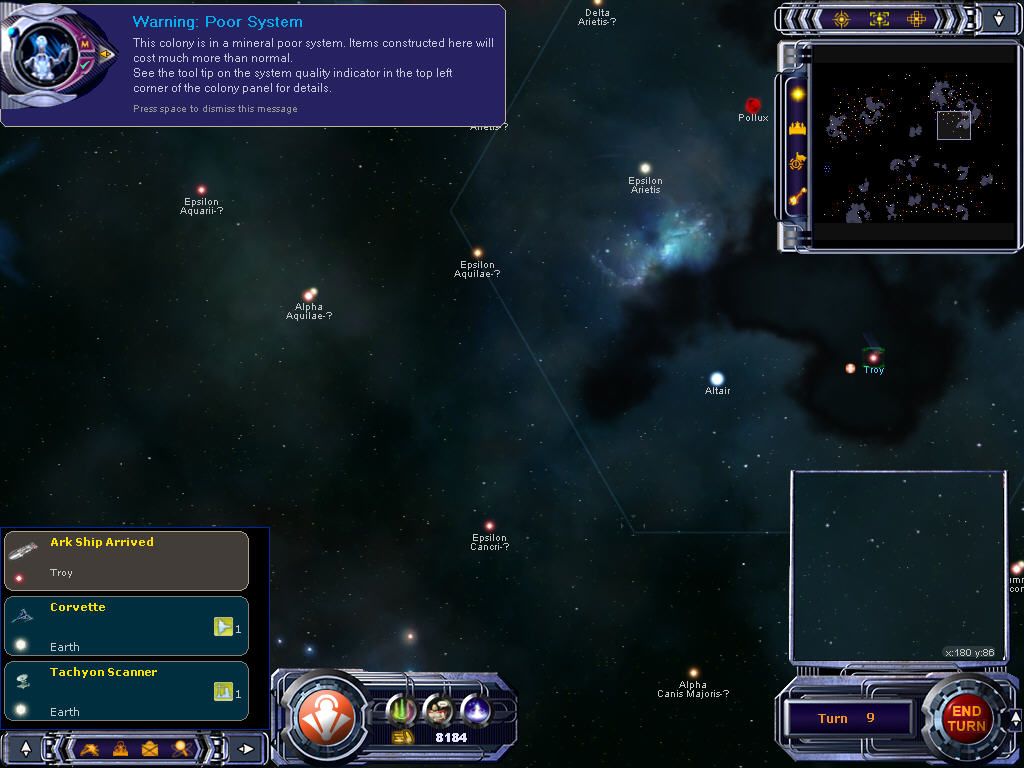
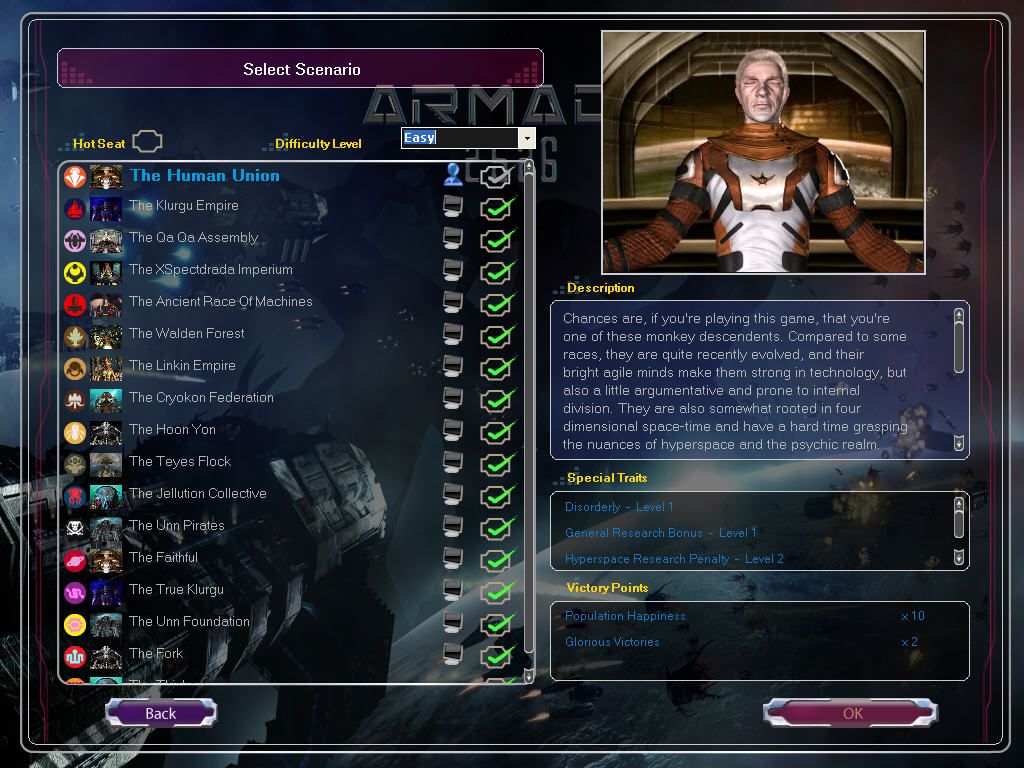
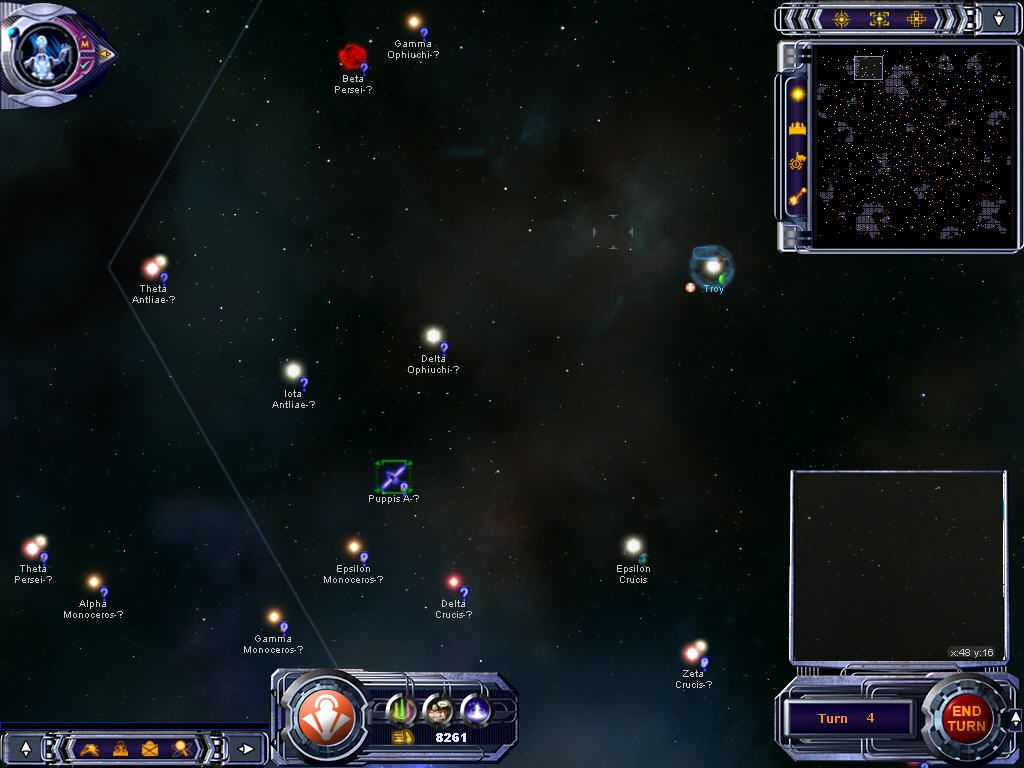
Your first decisions are comfortably direct: pick a faction, build ships, push into unknown territory, and look for worlds worth colonizing. Armada 2526 understands that a 4X game needs to get you moving early. The turn-based space map keeps the broad campaign organized around expansion and positioning, while research steadily opens new technologies and abilities to chase.
The simplified economy is the most important editorial choice here. Everything comes out of one general money account, and a colony’s population determines what it can build. That removes a lot of local fiddling found in denser genre rivals. You can spend more time deciding where a fleet should go, which planet deserves development, or whether a new technology matters now, rather than constantly repairing a web of individual budgets.
That same simplicity can become the point where some strategy fans start to feel friction. Planet surfaces do not factor into construction, so colony management is less textured than in 4X games built around exploiting terrain and specialized local resources. Automation helps cut down the chores, and it is worth using if you want to focus on larger strategy, but it also highlights how intentionally lean the economic layer is.
Combat changes the rhythm. Battles play out in real time and 3D, with tactical orders issued to your ships; crucially, you can pause whenever you need to reconsider and give fresh commands. That pause option makes the real-time fights more welcoming than they might sound, especially after the measured pace of the galaxy map. The campaign asks you to think in turns, then asks you to react in battle.
Graphics
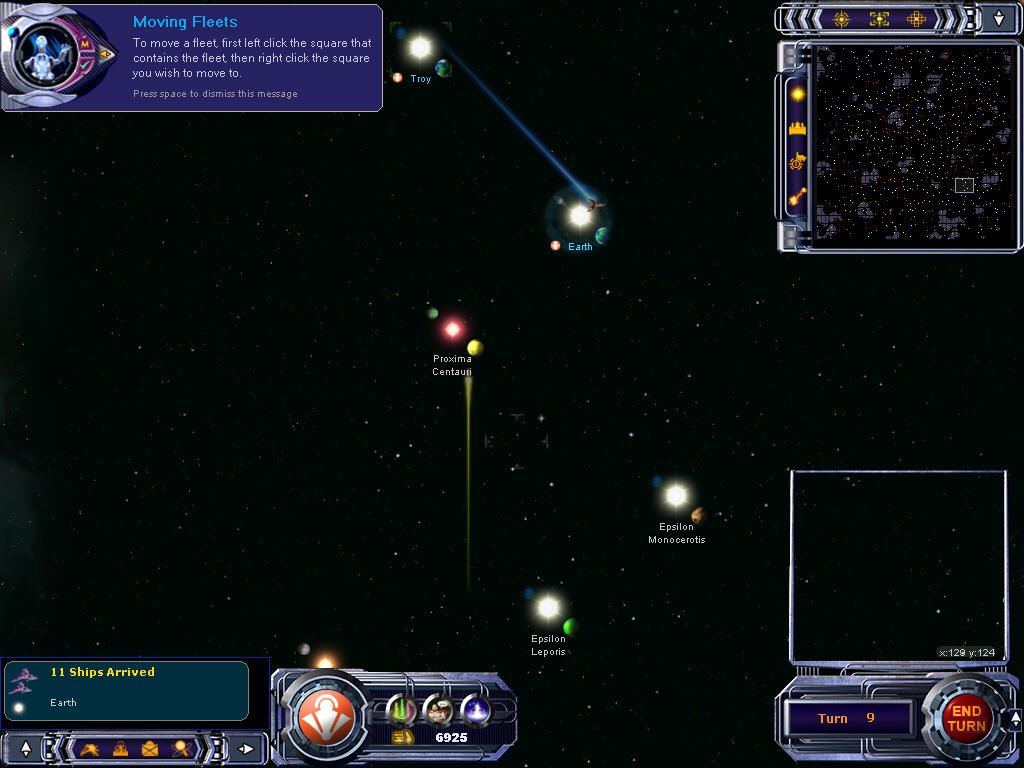
The game moves between a turn-based space map for empire management and 3D fleet battles for combat. In those battles, you watch ships carry out your tactical orders in real time, then freeze the action when you need to assess the fight and redirect them.
Story
Armada 2526 is driven by the story you create through expansion, research, and contact with rival powers rather than a described authored narrative. With up to 104 factions in a galaxy and 12 races to choose from, the central drama comes from the shifting map of friends, enemies, and contested territory.
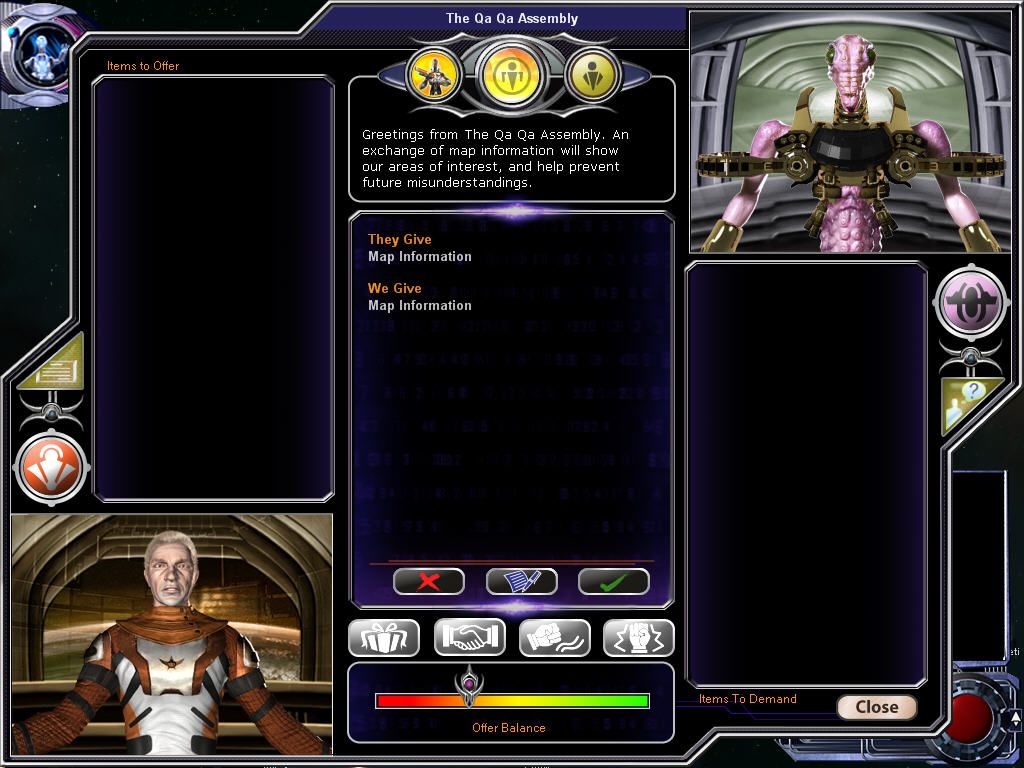
Diplomacy gives those encounters more weight than a simple peace-or-war toggle. You can form alliances and trade contracts, and negotiations support specific bargains such as a set number of peaceful rounds in exchange for credits. That leaves room for the sort of practical, temporary deal that can rescue an exposed empire or buy time for a research plan to pay off.
There is no reason to expect a character-led space opera here. The narrative payoff is strategic: a former rival becomes a trading partner, a peace agreement gives way to another push into space, and your faction’s history emerges from the deals and wars you choose.
Overall Experience
Armada 2526 is most convincing when you want a broad space-conquest game that does not bury its best decisions under administration. Colonizing, researching, diplomacy, and fleet movement all feed a clear goal: spread your faction across the universe and hold what you take. The lighter economy is not merely a concession; it gives the game a brisker, more immediately playable character.
The trade-off is equally clear. If detailed planet-by-planet development is the part of 4X games you love most, the single treasury and population-led construction limits may feel thin before the campaign reaches its most interesting diplomatic and military stages. You are making fewer granular economic choices, so the strategic payoff rests more heavily on expansion, technology, treaties, and fleet deployment.
For the right mood, that is a worthwhile exchange. Give Armada 2526 a chance if you like turn-based galactic planning but appreciate a real-time battle layer with a pause button, and if you would rather automate routine work than babysit every world. It is a capable, focused 4X that trades some simulation depth for forward motion.



Reviews
There are no reviews yet.