 Retro Replay Retro Gaming History, Reviews & Emulation


Retro Replay Review
Gameplay
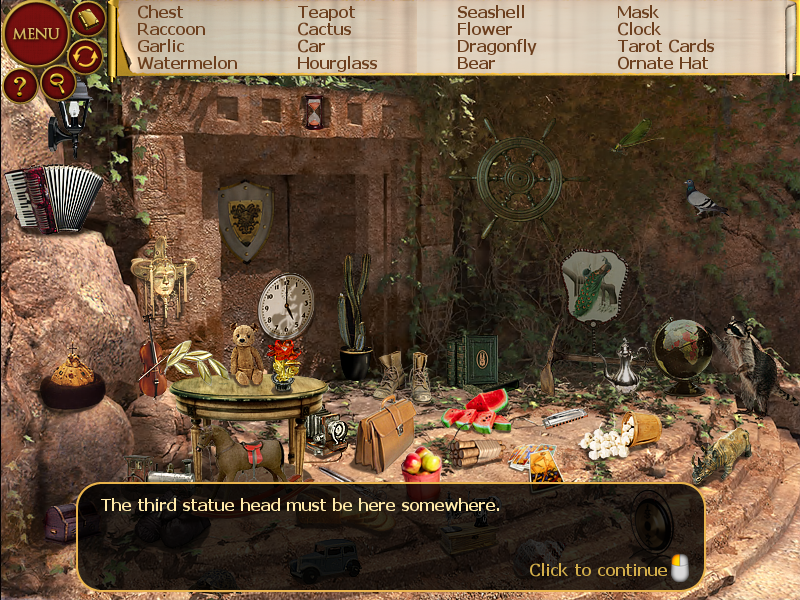
The first hour pulls you in with a simple, dependable loop: enter a cluttered location, scan it for the objects on your list, and click through the mess until the next clue opens up. There is a small detective-game pleasure in picking through each assortment of antiques and paraphernalia while the case gradually moves forward. It is methodical rather than demanding, which makes it easy to settle into when you want a puzzle game that does not ask for much setup.
The useful wrinkle is that the search list is not completely rigid. You can shuffle its entries, zoom in with the magnifying glass, and call on a recharging hint when one last object is holding you hostage. That gives you a little control over the pace. The shuffle option is particularly welcome when a listed item is proving hard to parse, while the hint system prevents a single badly hidden object from turning a pleasant session into a tedious pixel hunt.
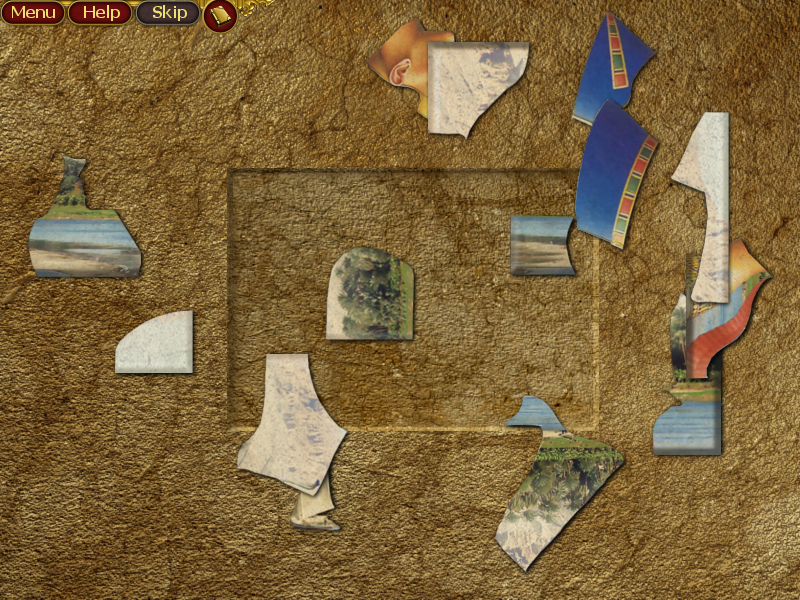
Mini-games arrive often enough to break up the searching. Analysing evidence can mean manipulating a mechanism to uncover paintings on papyrus, assembling a jigsaw, or connecting a circuit board. None of this sounds revolutionary, but it is smart pacing for a game built around static scenes: just as your eyes begin to glaze over from another object list, it hands you a more focused task. Being able to skip these challenges after a few minutes is also the right call; you can push through a puzzle you dislike without stalling the whole mystery.
The inventory sequences are the stronger adventure-game touch. In these scenes, you collect scattered fragments, rebuild useful objects, then drag them from slots at the top of the screen onto the right part of the environment. That modest extra step makes progress feel more purposeful than merely clearing a list. Still, expect direct, contained puzzles rather than elaborate adventure-game deduction. If you need deep systems or difficult logic chains, the repetition can set in quickly.

Graphics
The game is built around busy hidden-object scenes packed with assorted items, and that clutter is both its working texture and its main visual challenge. The magnifying glass is a practical help when small objects disappear into the background. Ancient papyrus, evidence equipment, and museum-minded locations give the images a suitable old-relics flavor, even if the focus stays firmly on spotting objects rather than lingering over scenery.

Story
A break-in at the British Museum where nothing seems to have been stolen is a strong opening for this kind of mystery. You step into the shoes of Dr. Artifact, an antiques researcher called in by Simon, who claims to be the museum’s keeper. The setup immediately invites suspicion: why summon an expert if there is no obvious loss, and how trustworthy is the man doing the summoning?
From there, the investigation connects royal secret agencies with ancient, forgotten devices and sends Dr. Artifact after relics around the world. It is unabashed serial-adventure material, and that is a compliment. The story gives the object hunts a reason to exist, framing every new location as another stop on a larger chase rather than a random collection of rooms.
Do not come expecting a dense detective narrative where every search transforms your understanding of the case. The plot chiefly acts as momentum between puzzle scenes, journal notes, and new destinations. But the combination of museum mystery, espionage overtones, and old artifacts is a better hook than a generic treasure hunt, and it gives the game a pleasing Saturday-afternoon-adventure tone.
Overall Experience
Artifacts of the Past: Ancient Mysteries is a straightforward hidden-object game that understands the value of changing the rhythm before the formula wears out. Searches remain the core activity, but the evidence mini-games and simple inventory tasks keep you from doing exactly the same thing for too long. It is not especially ambitious, yet it is structured with enough variety to remain agreeable.
You should give it a chance if you like clearing object lists at an unhurried pace and appreciate hints that respect your time. The recharge on the hint button preserves some tension without making frustration permanent, and optional mini-game skips make the experience forgiving. It is particularly suited to short sessions, when you want a clear objective and a reliable sense of progress.
The payoff is modest but real: a complete relic-chasing mystery carried by a dependable sequence of searches and light puzzles. Veteran hidden-object fans may find much of it familiar, and anyone looking for a demanding adventure game will want more. For gamers who enjoy the genre’s calm, observant side, though, Dr. Artifact’s investigation is an easy recommendation at the right price.


Reviews
There are no reviews yet.