 Retro Replay Retro Gaming History, Reviews & Emulation
Retro Replay Review
Gameplay
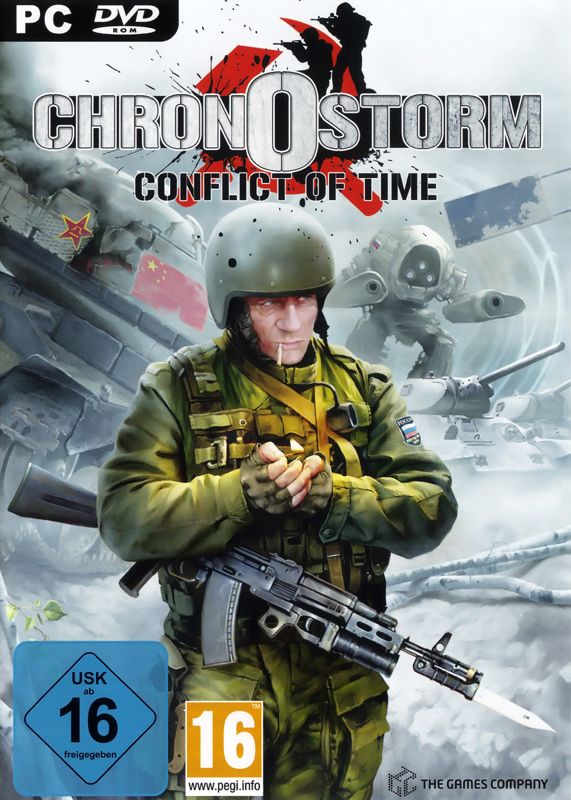
Chronostorm: Conflict of Time starts from a good place: you are commanding Russian forces in a near-future war, but your arsenal can reach backward and forward through time. Freezing enemy units or bringing in World War II tanks and mechs adds a fun, slightly scrappy twist to the familiar rhythm of building an army and pushing across the map. It is the kind of hook that makes the first hour easy to enjoy, because you are constantly waiting to see how another strange unit choice might change a fight.
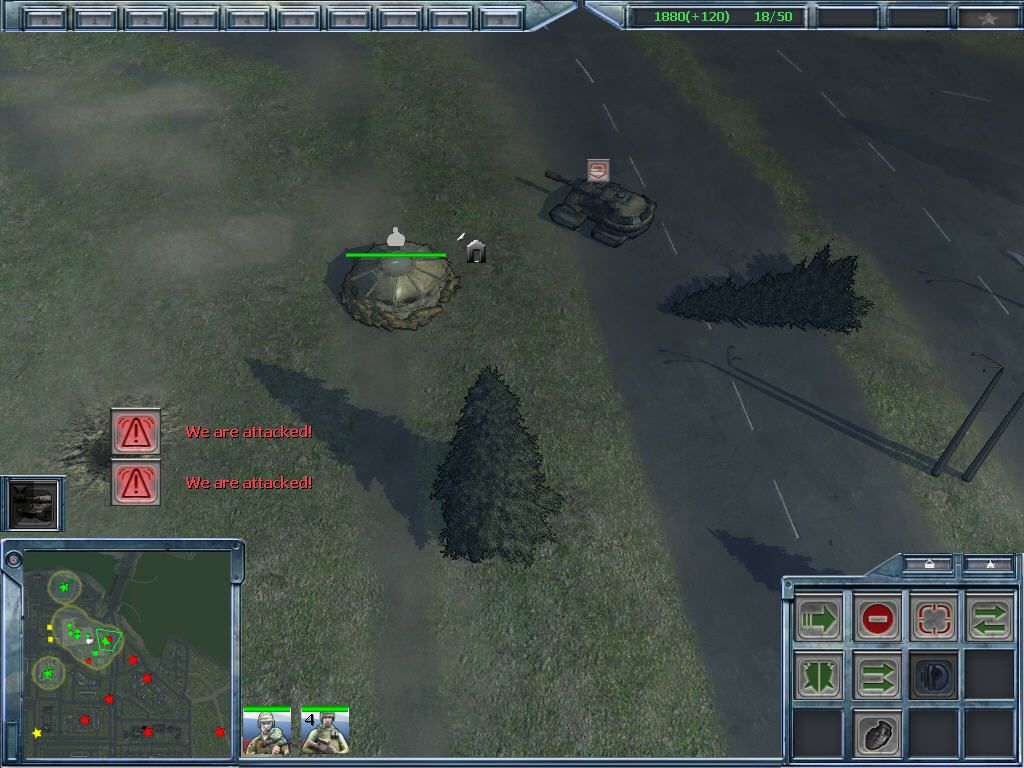
Underneath that hook sits a very traditional real-time strategy game. You construct a base, add specialized buildings for troop production, defense, and energy, and fund the operation by taking bunkers scattered across the battlefield. If you enjoy point-and-select RTS play where map control directly becomes income and military momentum, the basic loop is immediately understandable.
The issue is that the objectives sound more routine than the central idea. Missions generally ask you to hold a location or destroy the enemy, so the campaign can settle into familiar build-up-and-attack habits. The time-based weapons keep the formula from being entirely ordinary, but they do not erase the sense that much of the campaign is playing by old RTS rules.
Fourteen missions is enough time for the novelty to face a test. Give Chronostorm a chance if you want a conventional base-building RTS with a weird science-fiction garnish and do not mind objectives that lean toward defense and destruction. If you need every mission to radically reinvent the tactical puzzle, its early imagination may wear thinner than you would like.
Graphics
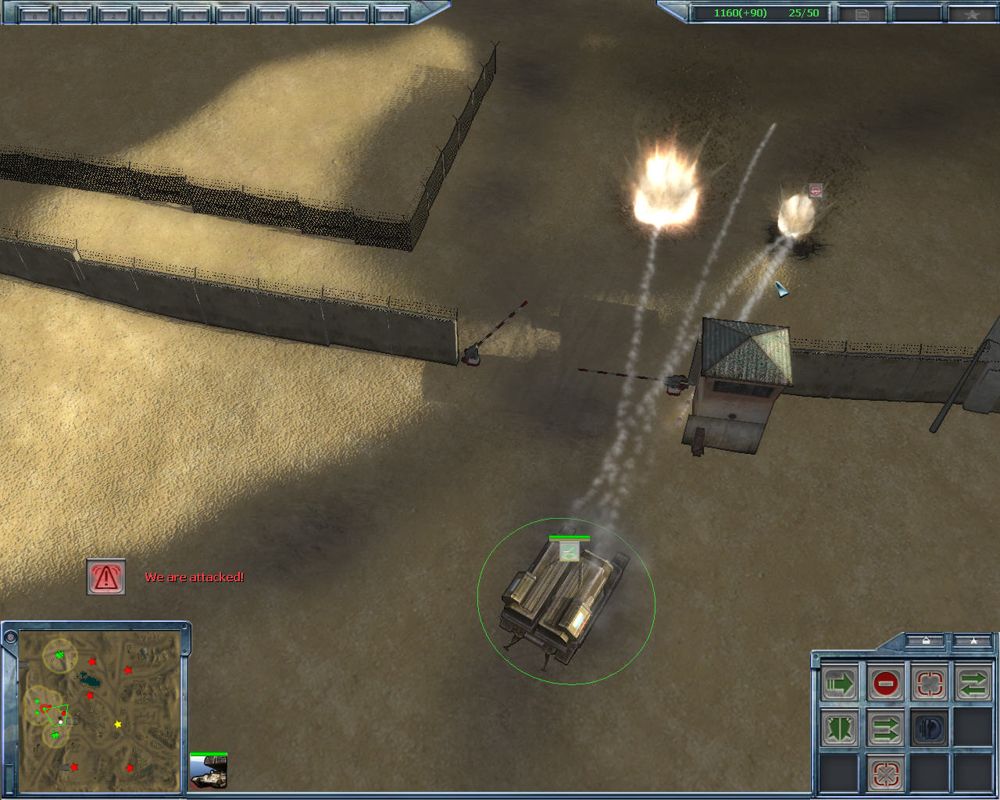
The clearest visual calling card is the cel-shaded look. It gives this war between Russia and China, its WWII tanks, and its future mechs a more stylized appearance than a standard military RTS, which suits the deliberately odd time-traveling arsenal.
Story
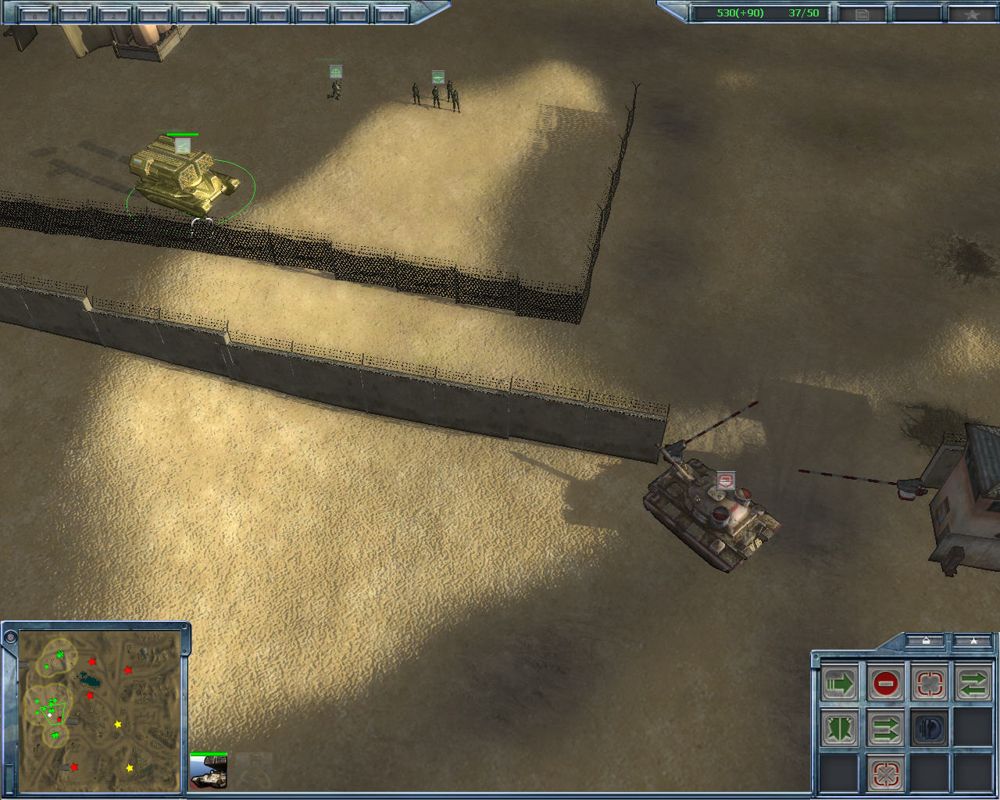
The campaign takes place in 2015, amid a fictional war between Russia and China. You command the Russian side through 14 missions with the stated goal of ending that conflict. It is a direct setup, built to get you into command rather than surround the war with a complicated premise.
Time manipulation is the story’s most distinctive flavor as well as its gameplay hook. Calling equipment from the past or future makes this feel less like a straight alternate-history war game and more like a pulpy clash of eras.
That premise does a lot of the heavy lifting. The conflict has an immediate geopolitical frame, while the anachronistic tanks and mechs give it the memorable image you want from science-fiction strategy. Do not come here expecting the setup alone to transform a mission-driven RTS campaign into a deeply dramatic war story; come for the unusual battlefield concept.
Overall Experience
Chronostorm is an uneven but understandable recommendation. Its best idea is genuinely appealing: take the dependable base-building RTS framework and inject it with weapons that can stop enemies in time or summon forces from entirely different eras. When you are using that premise to turn a battle, it has a charm many more generic strategy games lack.
At the same time, the rest of the structure is stubbornly familiar. Capturing bunkers for money, developing your base, defending key positions, and destroying opponents form a serviceable foundation, not an especially adventurous one. That gap between a wild concept and standard mission goals is where frustration can set in, particularly once you have seen the core routine repeat.
A 5.7 feels fair. There is enough here for RTS fans who miss straightforward single-player campaigns and enjoy a cel-shaded science-fiction detour, especially if the thought of WWII armor alongside mechs makes you smile. For everyone else, Chronostorm is more interesting for the strange ideas it brings to the battlefield than for how far it pushes the genre.


Reviews
There are no reviews yet.