 Retro Replay Retro Gaming History, Reviews & Emulation
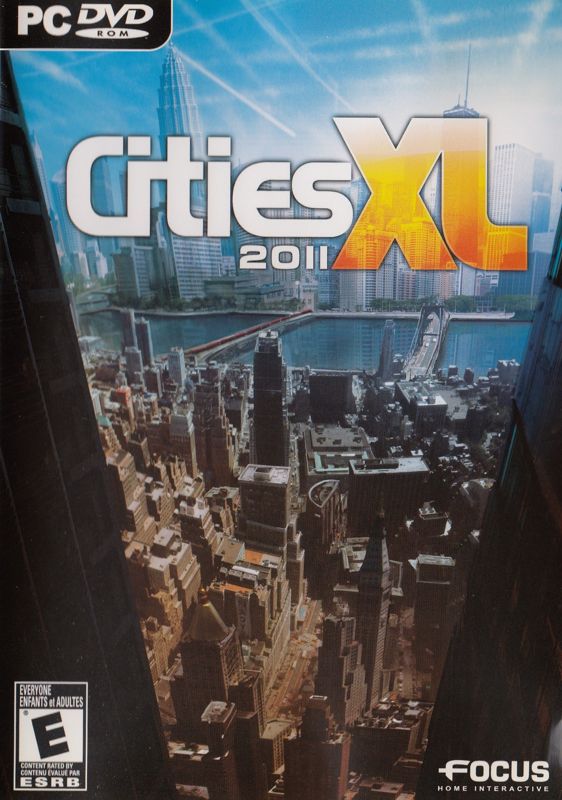
Retro Replay Review
Gameplay
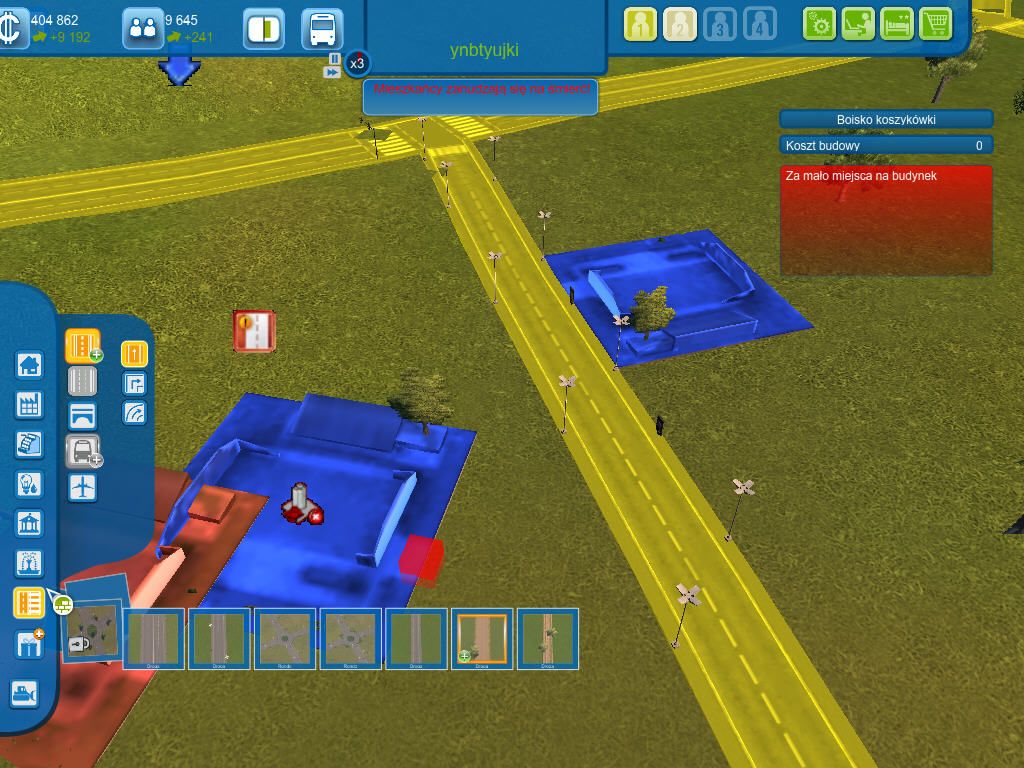
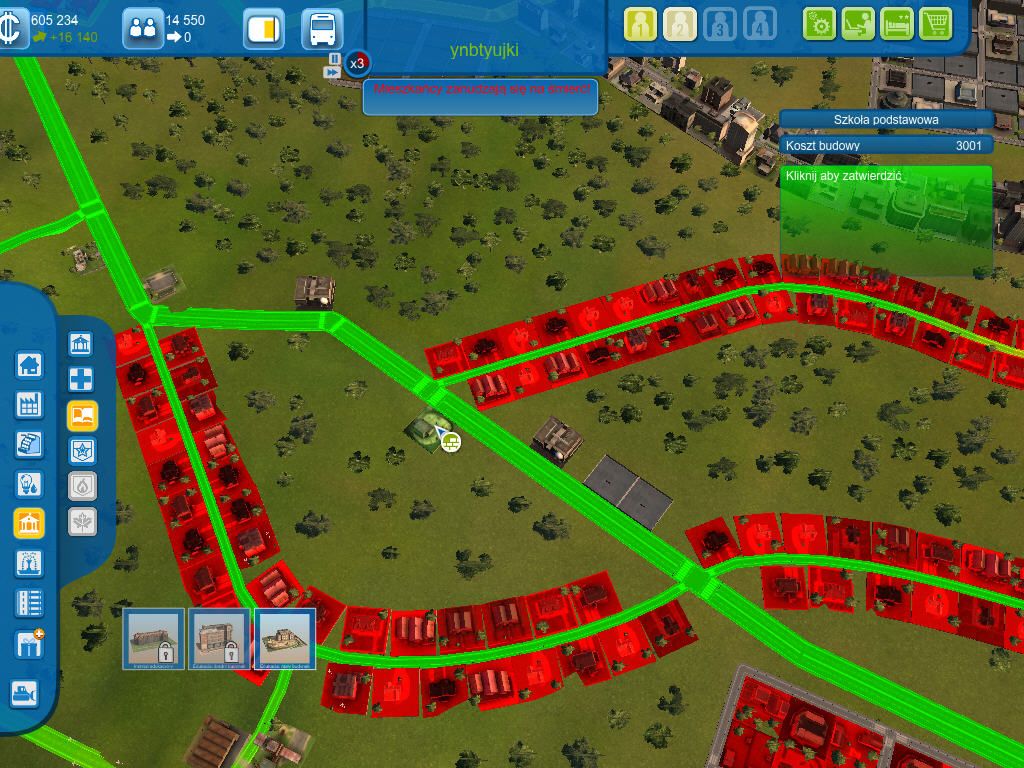
The pleasure of Cities XL 2011 is in watching a modest plan become a city that has consequences. You begin with the basic language of residential, commercial, and industrial zones, but the game soon asks you to think beyond simply painting land with categories. Residents are divided across four social classes, and the industries you place need particular workers and conditions. A district that looked sensible five minutes ago can become the source of your next problem when its workforce or surroundings no longer line up.
That push and pull gives the game its best moments. You are not merely trying to fill empty ground; you are trying to make a city whose parts can coexist. Transportation and nearby zoning matter to industry, while housing has to accommodate everyone from unskilled workers to elites. When a plan finally settles into a working rhythm, it feels earned. When it does not, the frustration is the recognizably city-builder kind: one decision creates a complication that demands three more decisions.
The subway system is a meaningful addition because it gives a growing city another tool for dealing with its layout. So does the ability to connect cities on the same planet for trade. That wider layer makes separate cities feel less isolated and gives expansion a purpose beyond starting over on another map. The sandbox mode is also welcome if you want to experiment with layouts and building choices without treating every session as a rigid progression exercise.
Still, this is an expansion of an established formula rather than a reinvention of it. The core zoning-and-requirements loop remains the whole point, so patience is essential. If you find it relaxing to diagnose why a city’s housing, jobs, transport, and industries are not cooperating, there is plenty here to chew on. If you want fast, loose construction without much managerial friction, the same systems can feel like a series of chores.
Graphics
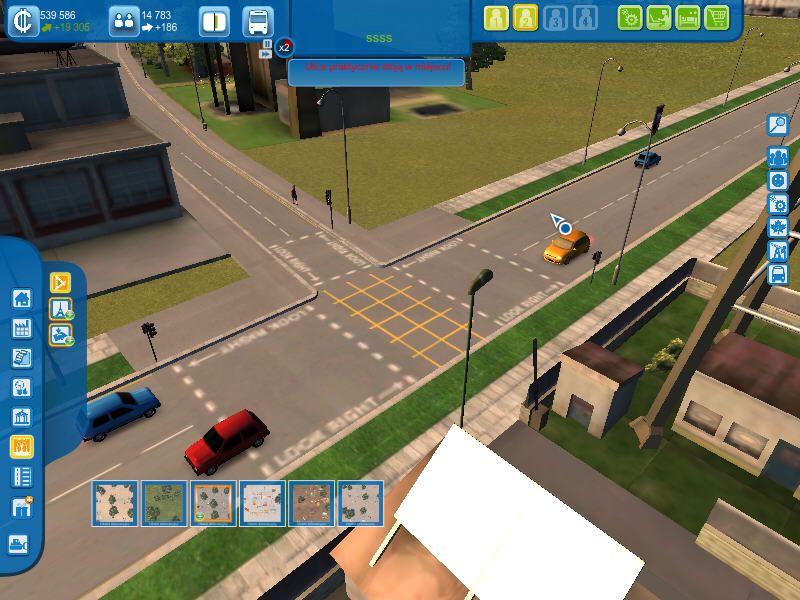
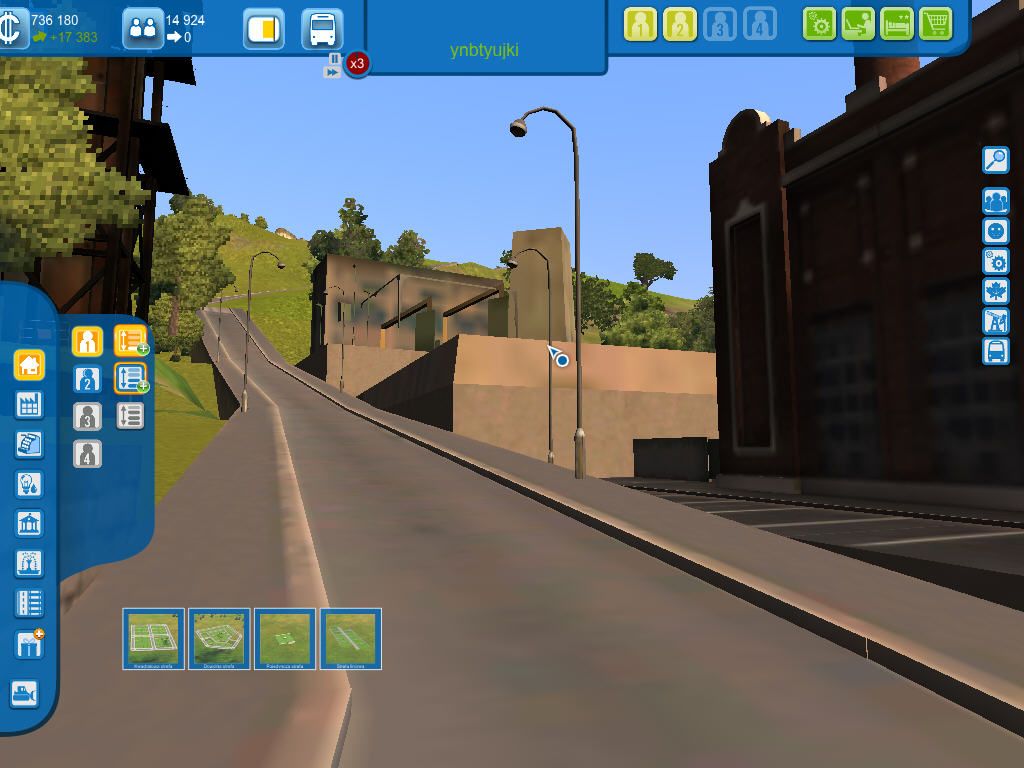
The diagonal-down city view and free camera are well suited to inspecting a developing layout. The extra building stock gives neighborhoods more variety, while five road texture sets—default, US, German, English, and French—let you change the look of the streets beneath them.
Hollywood, Hong Kong, and Krakatoa add distinct places to build, and the medieval, Chinatown, and US building packs broaden the architectural toolbox. They are practical additions: you can give separate cities a more specific character instead of repeatedly assembling the same-looking blocks.
Story
There is no authored tale pulling you from mission to mission here. Your story is the record of the city itself: a residential area built for one type of worker, an industry that needs different conditions, and the fixes you make when that arrangement stops functioning.
That makes the game’s narrative payoff personal rather than dramatic. A successful city feels like a story of planning, compromise, and recovery from your own imperfect calls. The division between unskilled workers and elites gives growth a social ladder, while different industry requirements create the conflicts that shape each build.
It also means you need to bring some imagination to the table. The game will not carry you with characters or set-piece plot turns; it asks you to care about the chain of cause and effect in your own streets. For city-builder fans, that is often enough. For anyone wanting a stronger scripted reason to continue, the open-ended structure may feel dry.
Overall Experience
Cities XL 2011 is a solid city-management game that understands why the genre works: growth is gratifying, but growth without a plan creates new trouble. Its residential classes and industry conditions keep zoning from becoming empty busywork, and the subway and planet-wide city trade give you more ways to respond as your ambitions get larger.
The sequel earns its place through useful breadth. Three new maps, many additional buildings, style-specific roads, and themed building packs help keep construction from becoming too repetitive. The sandbox mode is especially valuable for the kind of player who wants to test a grand design, make mistakes, and rebuild without needing the game to provide a narrowly defined objective.
The missing multiplayer mode is a real step back for anyone who valued that side of the original, and the fundamentals remain deliberately methodical. But if you are happy spending an evening untangling the relationship between homes, jobs, industry, and transport, the payoff is a city that feels like your own hard-won machine. It is best recommended to patient builders who want more Cities XL, with enough new tools and places to make that return worthwhile.



Reviews
There are no reviews yet.