 Retro Replay Retro Gaming History, Reviews & Emulation
Retro Replay Review
Gameplay
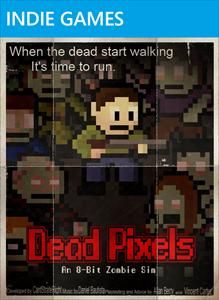
Dead Pixels grabs you by making the most basic objective feel unsafe. You enter each street from the left and need to reach the right, but the space between is crowded with zombies, tempting houses, dropped coins, and the occasional shop. At first, shooting your way forward feels natural. Before long, you realize ammunition is not a convenience; it is a budget. That shift, from treating every zombie as a target to treating each encounter as a cost, is where the game starts to click.
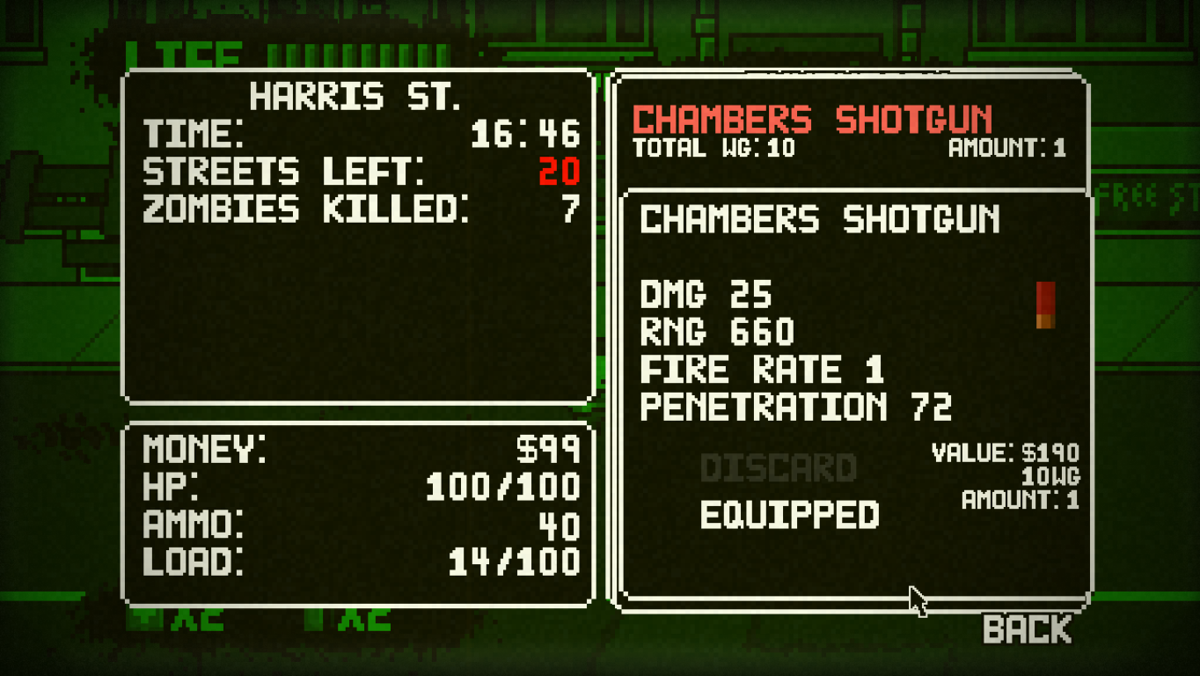
The best moments come from improvised survival decisions. A house might hold a medikit, a better gun, or valuable junk worth selling, but stopping to search also keeps you in danger. Shops can rescue a run with ammo, weapons, and upgrades, yet their limited stock means you cannot simply buy your way through trouble. Carry too much and your character slows down; carry too little and an ugly crowd can leave you stranded. Comparing weapon damage, range, fire rate, penetration, and weight gives the shooting more texture than its simple controls initially suggest.
That economy can also become exhausting. Shops are sometimes scarce, and traveling backward to unload loot means facing freshly spawned zombies and spending more ammo to solve the problem. Saving only at shops raises the stakes in a way that will either make every safe stop feel precious or make a failed push feel aggravating. The escalating enemies—faster attackers, projectile users, and larger groups—keep the pressure on, while the mandatory strong enemy every ten levels prevents a pure sprint to safety.
Procedurally generated streets help runs avoid becoming exactly identical, but Dead Pixels still lives or dies on whether you enjoy repeating that careful advance. Local co-op is a welcome way to share the burden. The Solution strips away shops and upgrades for a harsher scavenging run, with supplies ordered by radio arriving two streets ahead and saves tied to ink ribbons. Last Stand is the cleanest palate cleanser: collect coins from kills, spend a brief break between waves in the shops, and survive increasingly fierce hordes.
Graphics
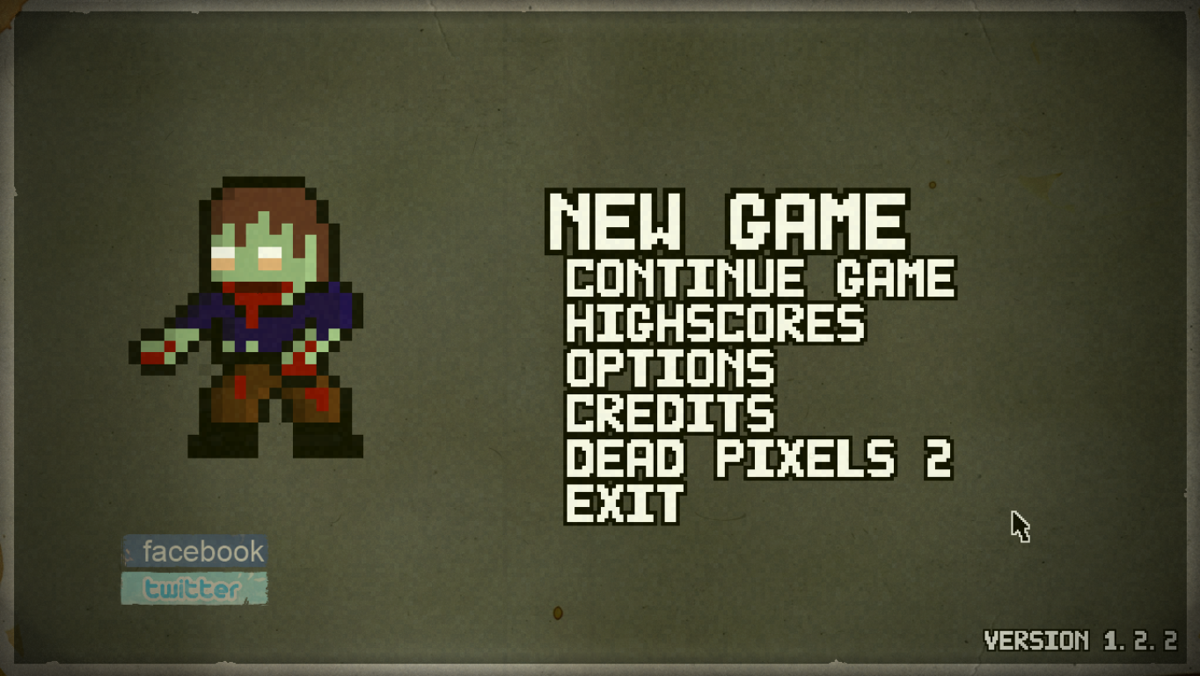
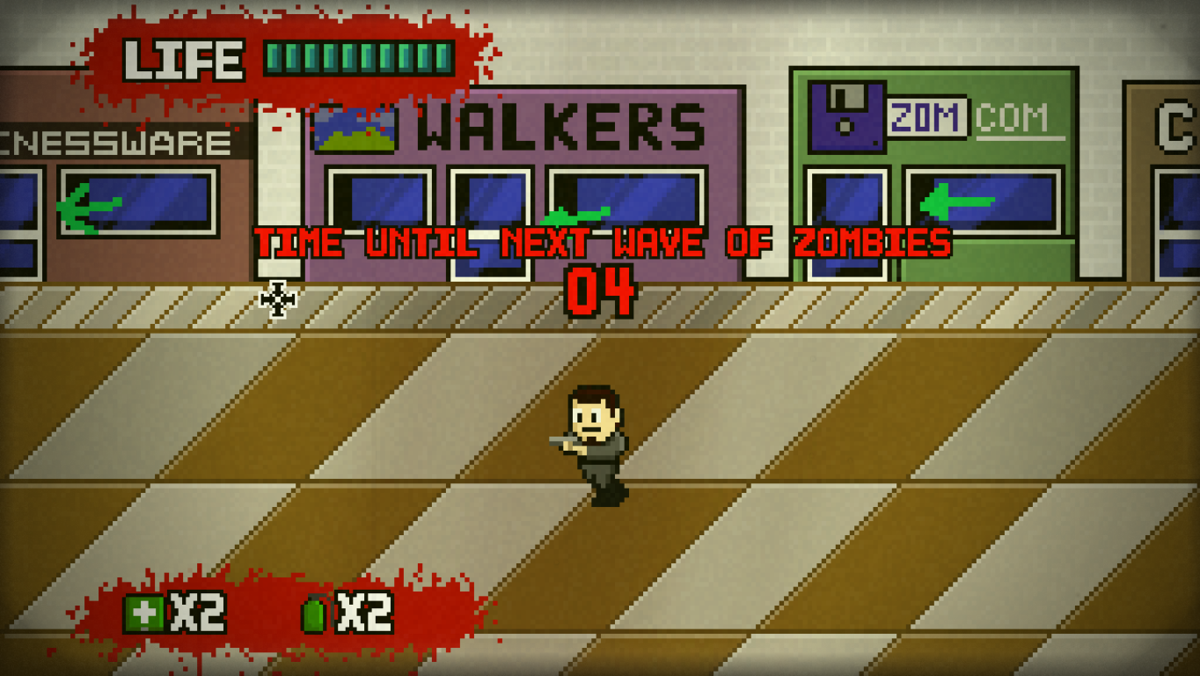
The 8-bit look is plain and functional, built around 2D side-scrolling streets, hospitals, tunnels, houses, shops, and zombie crowds. The side-on view suits the action: you can move up and down the street while aiming independently, which makes slipping around a cluster or firing past one feel easy to understand.
It is a rough, deliberately old-school picture rather than a lavish horror showcase. Tunnels with no shops stand out because their stripped-down layout leaves you with fewer comforts and more reason to keep moving.
Story
New Hexington’s outbreak setup is enjoyably nasty and direct. A power-plant toxic waste spill contaminates the water on 15 July 1983; three days later, the dead rise, and anyone killed by zombies joins them. With only five percent of the city still alive and an army intervention already failed, quarantine is less a backdrop than a sentence hanging over everyone still inside.
The main mode gives your survivor a practical goal rather than a complicated personal drama: cross however many streets your difficulty demands and reach an exit discovered by survivors on the other side of the city. That is enough motivation for the structure. Each street feels like another ugly block between you and a way out, and the story sensibly stays out of the way of the scavenging.
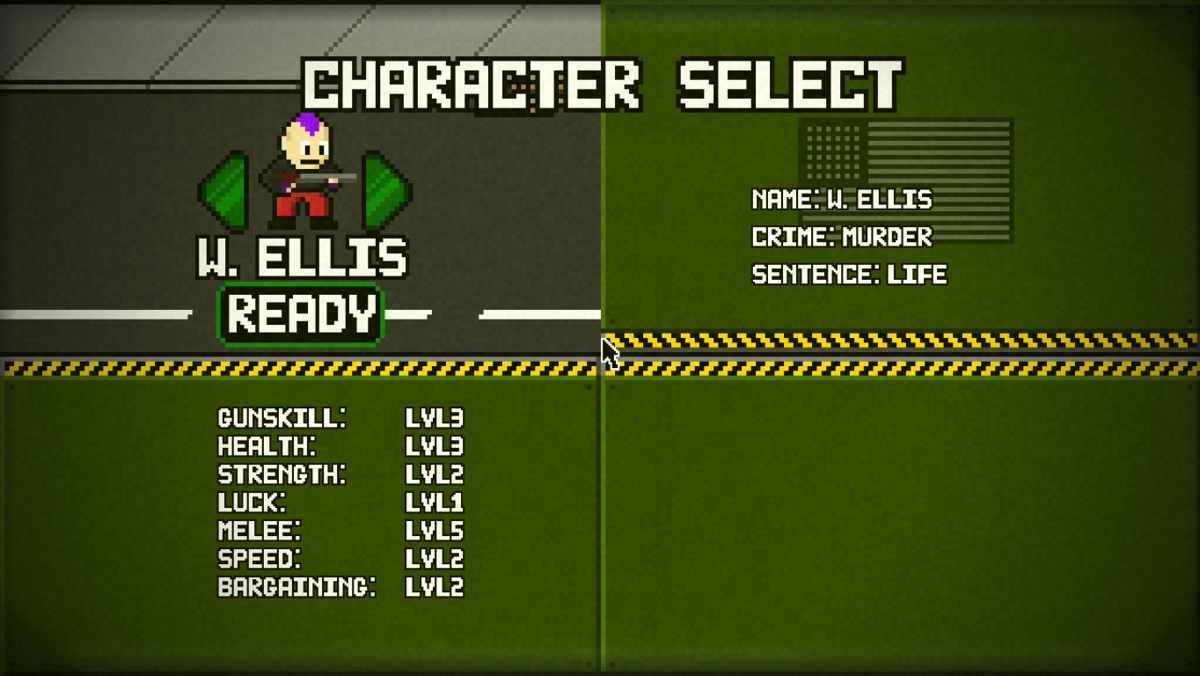
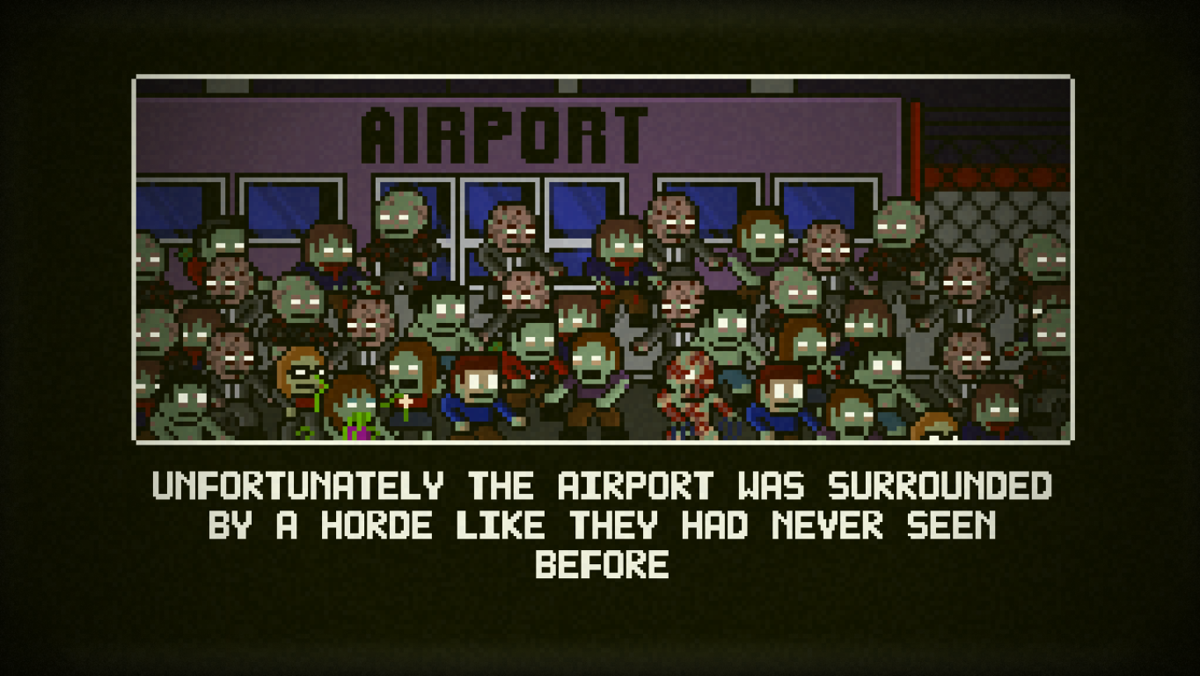
The other modes broaden the scenario without overcomplicating it. The Solution puts one of six prison inmates on a run to infiltrate the city, rig the power plant, and then survive the entire return journey. Last Stand narrows the focus further, placing survivors near the airport as they lure hordes into a mall. None of this is elaborate storytelling, but the shifting objectives give the three modes a useful sense of place and urgency.
Overall Experience
Dead Pixels is more interesting than its crude first impression. It looks like a simple retro zombie shooter, yet its real hook is the constant friction between firepower and survival. You are not merely clearing streets; you are deciding when a flare, grenade, medikit, weapon swap, detour, or retreat is worth the resources it consumes.
Its harshness is not always elegant. Backtracking, respawning enemies, scarce shops, small item quantities, and shop-only saves can turn a promising run into a grind. If you want a breezy action game where every enemy is there to be cleared, this will feel mean-spirited. If you enjoy extracting yourself from messy situations with just enough ammo and health left, those same restrictions create the game’s strongest stories.
The payoff is worthwhile for patient fans of retro survival action and resource-heavy runs. Start with the standard mode, resist the urge to loot every building or kill every zombie, and learn to value an open path as much as a full magazine. Dead Pixels never becomes polished or generous, but its rough edges are attached to a tense, satisfying survival loop.



Reviews
There are no reviews yet.