 Retro Replay Retro Gaming History, Reviews & Emulation
Retro Replay Review
Gameplay
The first few matches in Fate Axis are easy to understand: choose a fighter, enter an arena, and use weapons alongside ordinary melee attacks to beat either the computer or another person. That directness works in its favor. You are not asked to wade through a complicated setup before you can start testing a character’s range, attacks, and evasive options.
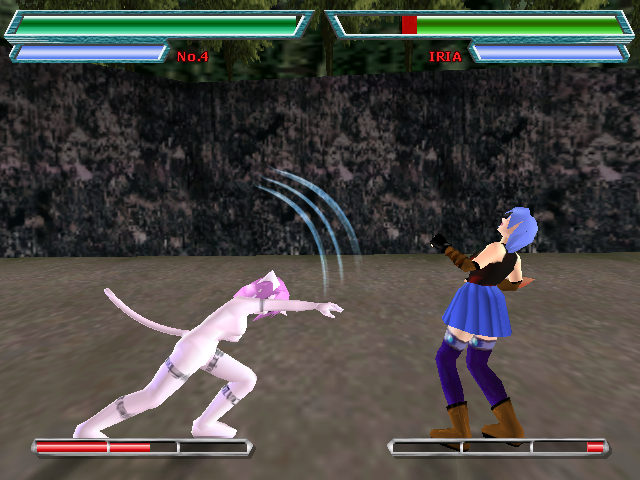
What gives the combat some bite is the two shoulder-button evasions. They are not merely defensive exits; combining them can initiate special attacks. That creates a useful rhythm of attack, evade, and retaliation, and it rewards you for doing more than repeatedly leaning on the three attack buttons. If you enjoy the loose 3D weapon-fighter tradition associated with Battle Arena Toshinden, you will recognize the attraction immediately.
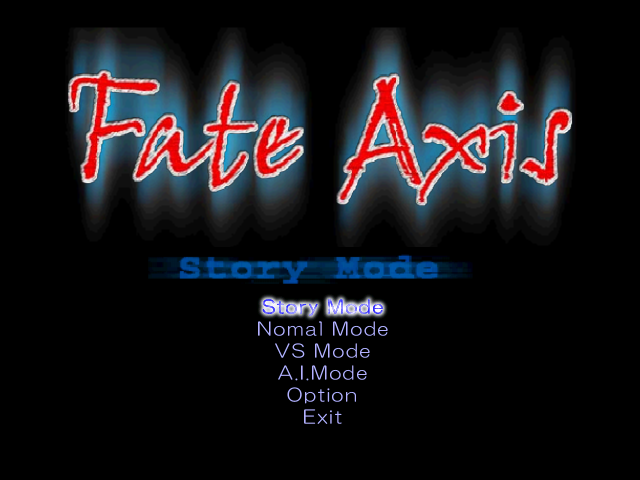
The six-fighter roster is small, so the game’s staying power rests on learning the available combatants and revisiting its modes rather than chasing a huge cast. Normal Mode serves as the straightforward computer-opponent route, while Versus Mode is where the system has the clearest chance to become competitive with a second player. A.I. Mode is the better pick if you want a reason to stay with one character, because each win improves that fighter’s skill.
There is room for frustration if you want deep, expansive fighting-game progression or a vast selection of matchups. Fate Axis is much more compact than that. Still, its evade-to-special wrinkle and character-growth mode give you more to explore than a one-off novelty fighter.
Graphics
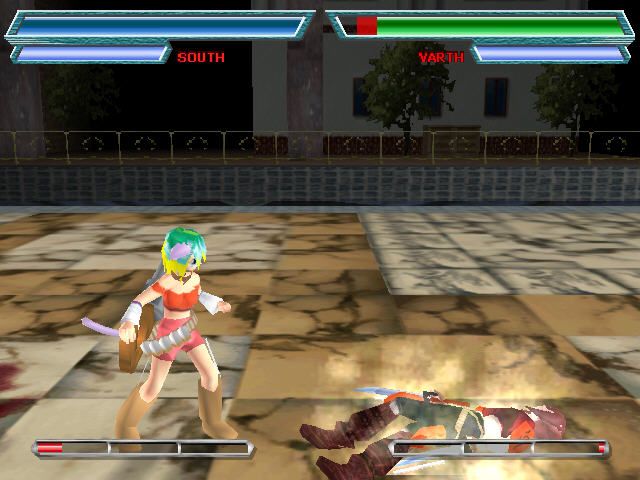
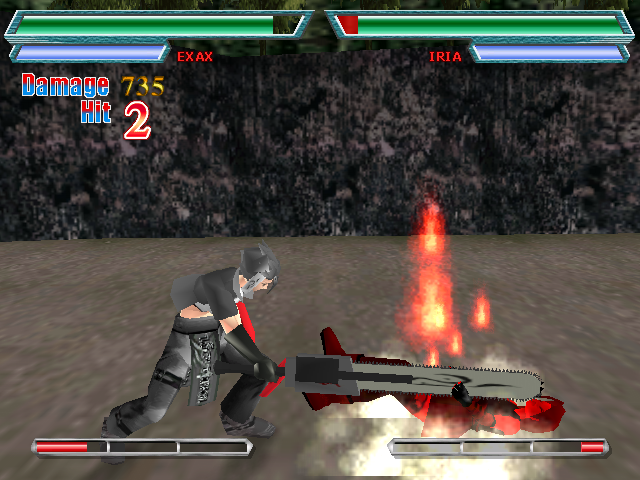
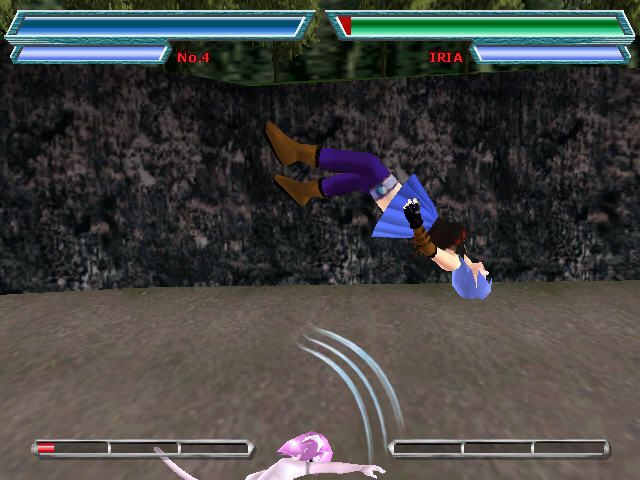
Fate Axis uses 3D arenas and third-person fighting-game camera work to frame its weapon duels. The important thing on screen is the spacing between two combatants: where a weapon reaches, when an evasion creates room, and when an opponent is close enough to punish.
Story
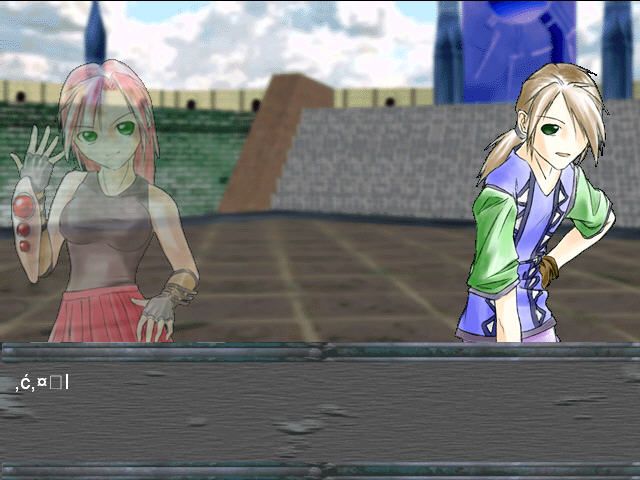
Story Mode puts dialogue cutscenes between battles, giving the chosen fighter a little context as you work through the mode. It is a welcome change of pace from uninterrupted bouts and gives solo play a more deliberate route than simply facing computer opponents.
Do not go in expecting the story to be the main reason to play. The supplied structure points to dialogue serving as connective tissue between fights, not an elaborate narrative campaign. Its value is in making your sequence of matches feel like a journey rather than a menu of disconnected rounds.
If you prefer to skip narrative framing altogether, Normal Mode and A.I. Mode keep the focus on fighting. That flexibility is useful: Story Mode can provide the between-match flavor, while the other modes let you concentrate on improving with a selected character.
Overall Experience
Fate Axis is a focused freeware fighter with a clear old-school 3D arena-fighting pull. It does not need a complicated pitch: six fighters, weapons, evasions that feed into special attacks, and several ways to play. The first hour is about finding a fighter whose reach and rhythm make sense to you; the longer-term question is whether you enjoy mastering that small set enough to keep returning.
Versus Mode makes it worth trying with another person, because the evade-and-counter layer has more room to matter when both sides are adapting. Solo players have credible alternatives, too: Story Mode adds dialogue, Normal Mode supplies computer battles, and A.I. Mode gives victories a light progression hook.
Give it a chance if you have a soft spot for compact weapon-based 3D fighters and prefer a game that gets you into matches quickly. Skip it if you need a large roster or a sprawling campaign to stay engaged. For the right mood, its modest scope is part of the charm: you can spend an evening learning its fighters instead of treating it like an endless commitment.


Reviews
There are no reviews yet.