 Retro Replay Retro Gaming History, Reviews & Emulation
Retro Replay Review
Gameplay
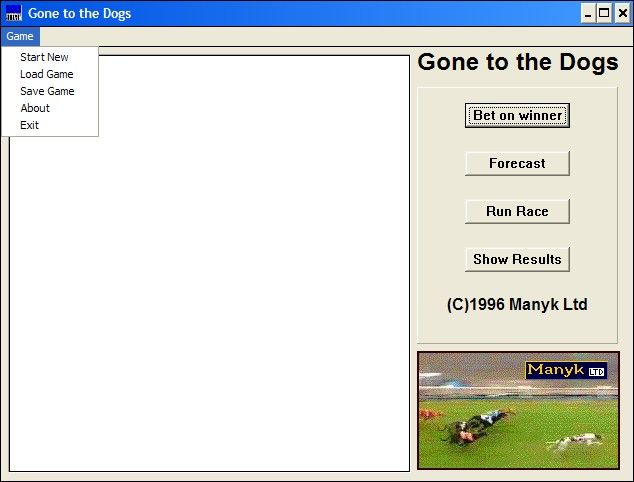
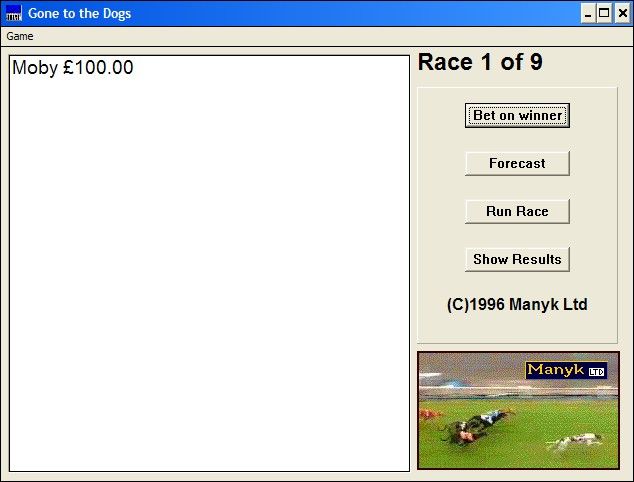
The first few minutes are all about that familiar pre-race tension: everybody has the same cash, a field of dogs in front of them, and just enough information to convince themselves they have spotted the safe pick. You can back the winner outright or try to call the first two finishers, then set any stake your bankroll allows. That freedom matters. Small bets let you stay alive, while a bigger wager can turn a mediocre meeting around—or end your hopes with one bad call.
What starts to click is the rhythm between form-checking, table talk, and the reveal. The game includes runner form and recent race history, so you are not simply guessing blind. Still, it is betting rather than a deep management simulation: the pleasure comes from making a call, defending it to everyone else, and seeing whether the race proves you right. The full video and commentary give each result more ceremony than a plain text outcome would.
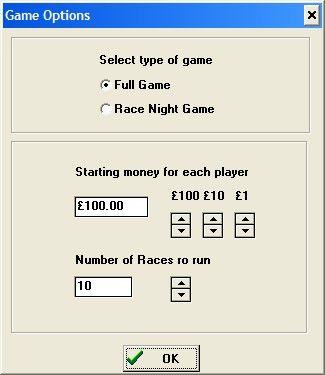
Normal mode is the stronger fit for a small group that wants a complete contest. A meeting is usually nine races, though you can change that, and the person with the most money at the end wins. Nine races is long enough for fortunes to change without asking anyone to commit to a sprawling campaign. Frustration will come naturally when a sensible-looking bet loses, especially if another player leaps ahead on a riskier pick, but that volatility is the whole point.
Race Night shifts the format from a shared game into an event tool. An organiser can choose when selected races are shown, which makes it better suited to a roomful of people and a looser schedule. If you want hands-on control over every element of a racing night, this is not that kind of game; it is built around managing bets and unveiling the races at the right moment. For a pub-style gathering or fundraiser atmosphere, that focus is useful.
Graphics
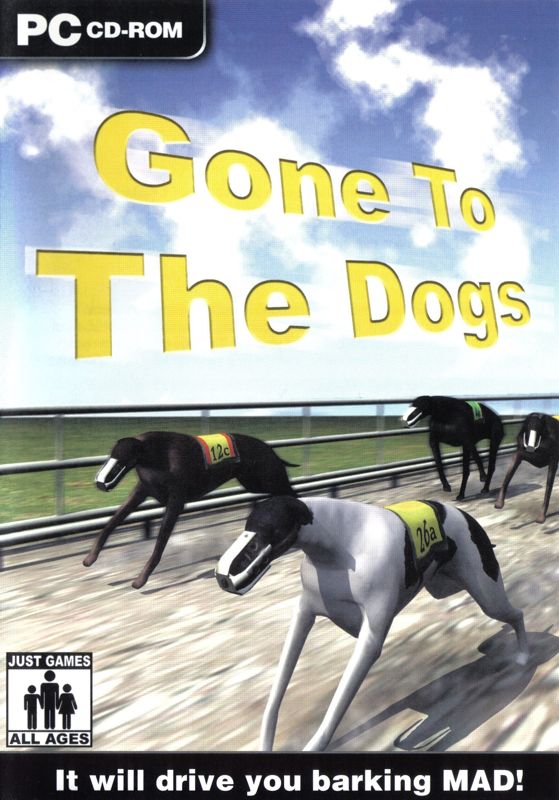
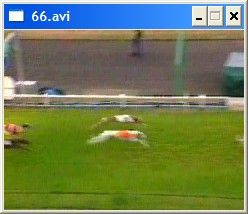
The key images are the race videos themselves, accompanied by full commentary, followed by result screens that show who won and lost. That is where the game earns its keep visually: you get to watch the outcome play out rather than merely reading a result after placing a bet.
Story
There is no authored narrative pulling you from race to race. The game’s story is the one your group creates around the bankroll: the player who opens cautiously, the person who starts chasing losses, and the late wager that changes the final standings.
That makes each meeting a self-contained little drama. Form and recent race history give your predictions some grounding, while the eventual results decide whether your confidence looked informed or wildly misplaced.
Race Night works on the same principle at a larger scale. Instead of following characters or plot twists, you are building anticipation in a room and releasing it one selected race at a time. If you need a solo narrative hook, look elsewhere; if you enjoy the stories that emerge from competition, it has one every time you play.
Overall Experience
Gone to the Dogs knows exactly what it is: a social greyhound-betting game rather than a broad sports package. Its best moments come when several people have committed money to conflicting picks and the race footage is about to settle the score. The winner/first-and-second bet split is simple enough for newcomers to grasp quickly, yet it gives bolder gamblers a reason to take a different line from the crowd.
The pool of more than 90 races helps the concept last beyond a single sitting, and the adjustable meeting length is a practical way to match the game to your group’s patience. The limits are equally clear. Once you understand the two bet types, the core loop does not radically change; enjoyment depends heavily on whether your table likes wagering, racing results, and good-natured bragging.
Give it a chance if you want an organised, low-friction race night where everybody can start level and somebody has to finish on top. It is especially easy to recommend to a host who values built-in race footage, commentary, and runner information over having to prepare an event from scratch. Alone, it loses much of its spark. With a lively group, its modest formula can produce exactly the kind of groans and cheers a betting game needs.


Reviews
There are no reviews yet.