 Retro Replay Retro Gaming History, Reviews & Emulation
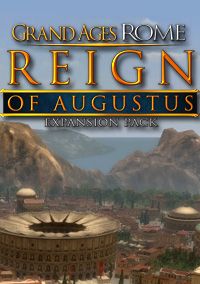
Retro Replay Review
Gameplay
The best part of Reign of Augustus is that its new ideas feed directly into decisions you are already making. Authority comes from particular buildings and can be spent on actions such as extinguishing fires, turning civic construction into more than a passive checklist. You are not simply erecting another structure because a mission asks for it; you are weighing its ongoing value against the space and resources it requires.
Roads are the addition that should click fastest. Faster unit movement is immediately useful when objectives pull you across a map, while the added resources make the road network part of the economy rather than a cosmetic afterthought. That is a smart bit of expansion design: one tool solves several problems, but it also asks you to plan rather than scatter buildings and hope the mission goals line up.
The four new buildings give that planning more texture. An odeum adds entertainment, a tax office brings in money, and the senate generates Authority; each has a clean purpose. The hospital is especially interesting because it can restore a fallen unit, giving military losses a possible recovery route instead of making every setback feel final. These additions do not reinvent Grand Ages: Rome, but they make its existing city-and-army balancing act more flexible.
The new campaign contains 12 missions centered on conflicts in the Era of Augustus, each built around specific objectives instead of a narrated plot. That structure is satisfying when you want a clear problem to crack, though it can become frustrating if you need a stronger dramatic reason to care beyond completing the next requirement. The extra six multiplayer maps, 20 estate bonuses, 21 talents, and three patrons also give regular players more material to experiment with after the campaign goals are done.
Graphics
The expansion’s most concrete visual additions are the new Roman civic structures: the odeum, tax office, senate, and hospital. They give your growing settlement a few more functional landmarks to place among its existing buildings, with each one tied to a distinct economic, civic, or military benefit.
Story
Do not come to Reign of Augustus expecting a Roman drama about Augustus. The campaign uses the era’s conflicts as its backdrop, then puts mission objectives ahead of character scenes or a continuously told narrative. It is a framework for strategy challenges, not a historical tale with an emotional arc.
That can be a relief if you prefer getting straight to the city-building and military decisions. Each mission has a concrete destination, which gives the campaign a brisk, practical rhythm: assess the situation, build toward the requirement, and adapt when pressure interrupts the plan.
On the other hand, the lack of a mission-to-mission story makes the campaign less memorable than a strategy expansion with a strong cast or escalating plot. Your satisfaction comes from execution—the road layout that finally pays off, the Authority reserve that saves a crisis, or the settlement that meets its demands—not from seeing a narrative resolve.
Overall Experience
Reign of Augustus is a focused expansion that understands what an add-on should do: add decisions with consequences. Authority and roads are not throwaway bullet points. They push you to think harder about civic infrastructure, emergency responses, movement, and resource flow, while the new buildings give those systems a physical place in the city plan.
Its limits are equally clear. The campaign’s 12 missions offer objectives rather than stories, so the pack has a utilitarian feel. If the base game’s goal-based structure already leaves you cold, the Augustus theme will not suddenly supply the character-driven momentum you are missing.
For an established Grand Ages: Rome player, though, the payoff is real. More campaign challenges, multiplayer maps, estate bonuses, talents, patrons, and a handful of systems that matter in play make this an easy recommendation for anyone who wants another reason to return to Roman urban planning and conflict management. It is not a radical new chapter, but it is a meaningful upgrade to the part of the game that counts: the choices you make moment to moment.


Reviews
There are no reviews yet.