 Retro Replay Retro Gaming History, Reviews & Emulation
Retro Replay Review
Gameplay
Hamlet is a stripped-down point-and-click adventure built around individual puzzle scenes. Rather than collecting objects, combining inventory items, choosing dialogue responses, or selecting verbs, you click elements in each screen to set its solution in motion. That narrow design makes the game immediately approachable, especially if conventional adventure-game logic and sprawling inventories are not your idea of fun.
The trade-off is that progress depends entirely on reading each scene’s interactive possibilities. Some solutions are straightforward chains of environmental interactions, while tougher obstacles lean on experimentation. The game also occasionally asks for quick reflexes, adding a little pressure to a format that is otherwise about calmly trying possibilities.
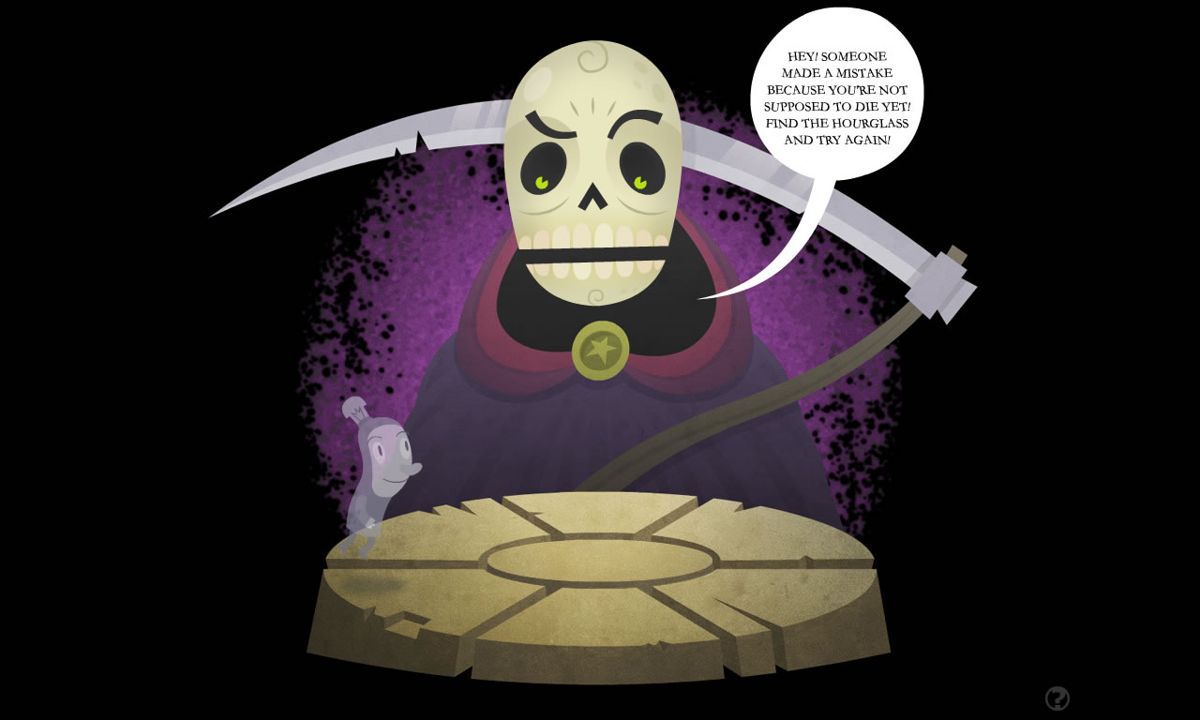
You cannot die, so failed attempts never become a punishment beyond lost time. Clicking the protagonist reveals his thoughts, and those observations can be necessary to advancing, making him more than a decorative cursor target. If you remain stuck for several minutes, a question-mark hint appears; that safety net suits the game’s casual audience without eliminating the puzzles outright.
Graphics
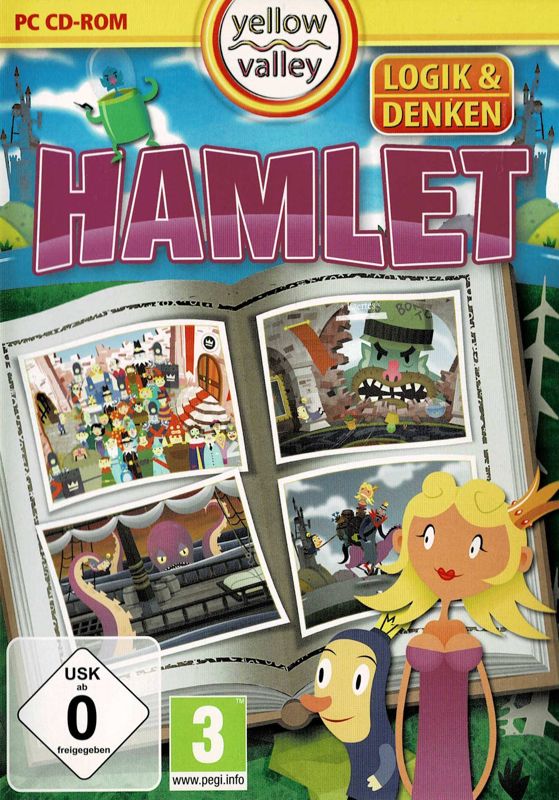
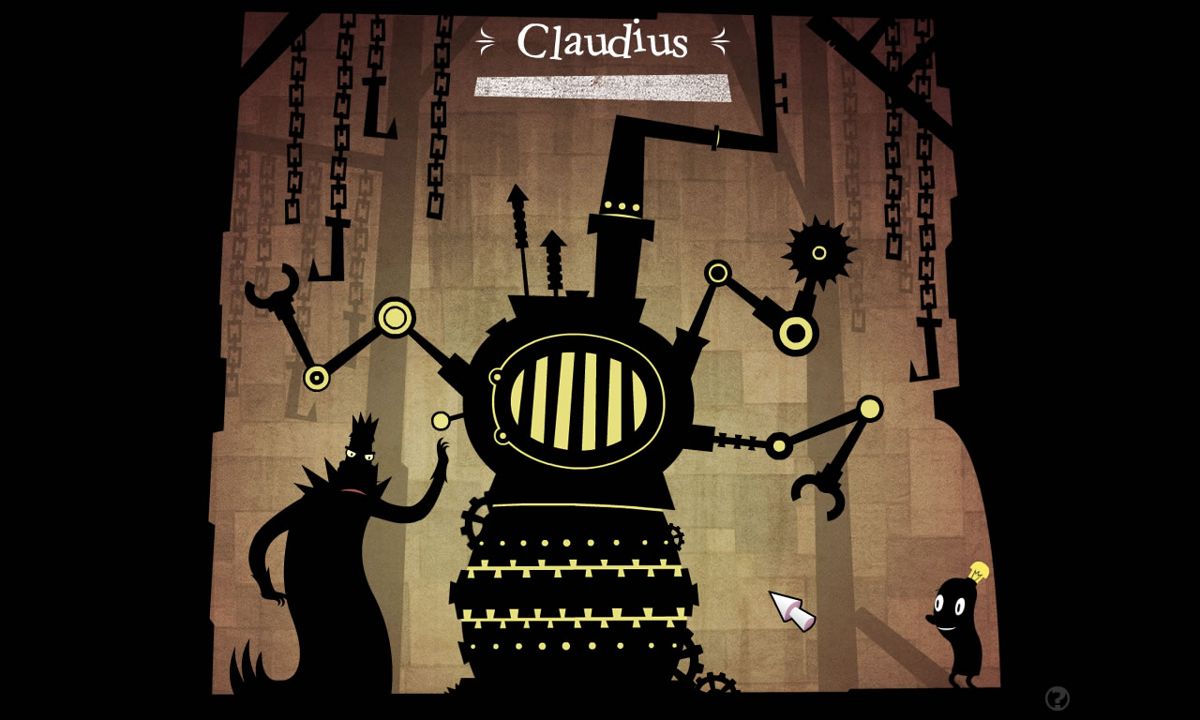
The presentation takes a deliberately cartoon-styled approach to a story usually associated with murder, revenge, and royal tragedy. That contrast is the game’s defining visual and tonal hook: Denmark is not treated as solemn historical drama, but as a stage for broad comic adventure.
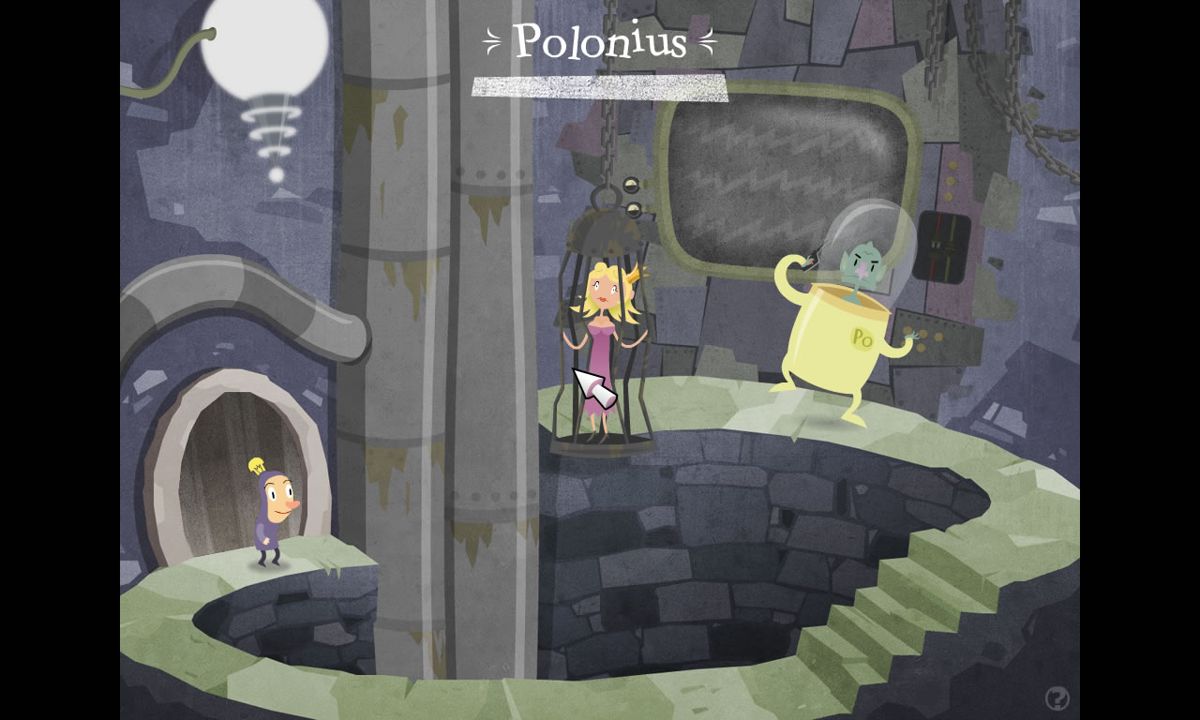
Its character treatment supports the joke. Familiar names from the play appear in conspicuously altered circumstances, and Polonius is recast as a green figure in a space suit. The result is less an attempt to illustrate Shakespeare faithfully than a playful visual remix that signals the game’s irreverent intent from scene to scene.
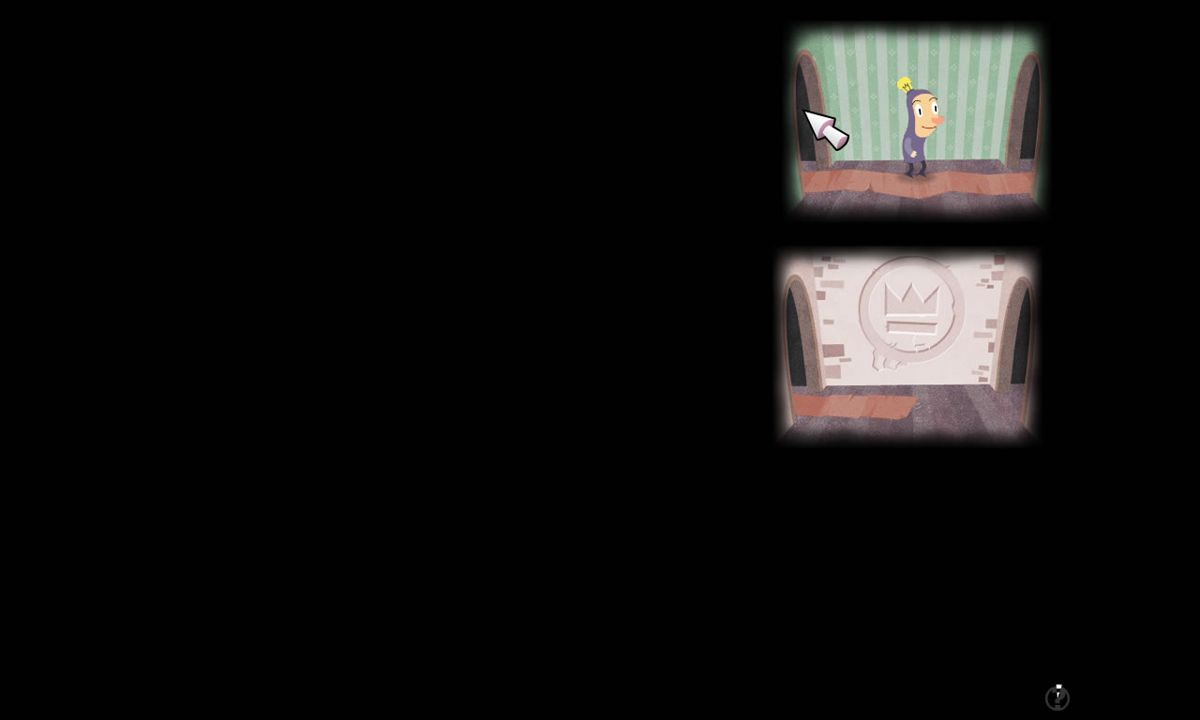
Because every puzzle occupies a single screen, the artwork has a practical role as well as a comic one. You are repeatedly scanning the environment for objects to manipulate, so the presentation must carry both the gag-driven atmosphere and the puzzle information. Players looking for a straight or dramatic rendition of the play will find the cartoon framing too flippant, but it is well matched to the accessible puzzle format.
Story
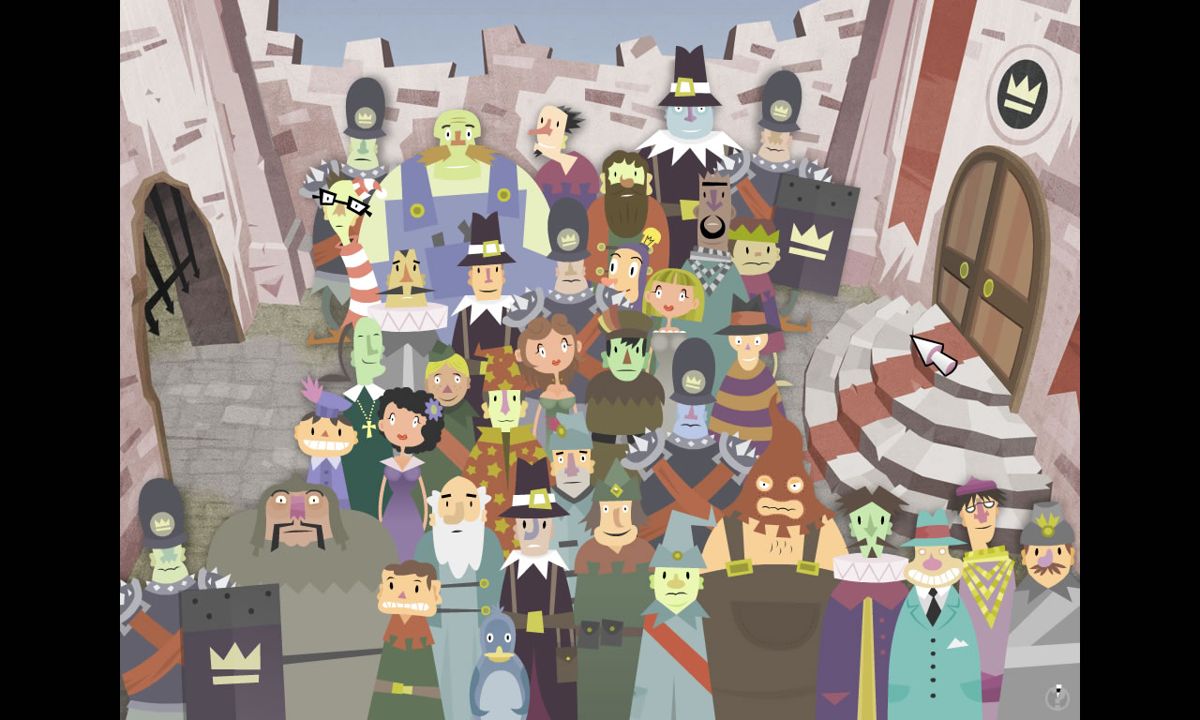
The premise begins with Claudius and Polonius murdering Denmark’s king and queen to seize control, with Ophelia intended to marry Claudius. Hamlet’s return should set the familiar revenge story in motion, but a researcher from the future crashes a spaceship into him and kills him by accident. The visitor then assumes the role of unlikely hero.
That interruption gives the game its central comic engine. You guide the outsider through five acts as he attempts to free Ophelia from Claudius, while the broad outline of Shakespeare’s plot remains recognizable. Rosencrantz, Guildenstern, Laertes, and other familiar figures are part of the reworked cast, though the game freely bends the original material for absurdity.
This is not a reverent adaptation, and it does not aim to preserve the original tragedy’s weight. Instead, the story uses its famous framework as a springboard for jokes, strange character reinterpretations, and puzzle setups. Readers of the play can enjoy spotting the altered names and situations; players wanting a faithful telling of Hamlet should approach it as parody rather than literary retelling.
Overall Experience
Hamlet succeeds best as a compact, humorous puzzle adventure with a clear identity. Its no-inventory, no-dialogue, single-scene structure removes much of the genre’s friction and keeps attention on immediate cause-and-effect interactions. The five-act structure gives the comic rescue mission a recognizable arc without turning it into a dense simulation of Shakespearean drama.
The pacing can become uneven when a solution is obscure or when trial and error is required, particularly in the reflex-oriented moments. Still, the inability to die and the delayed hint system keep those rough patches from becoming severe roadblocks. It is designed to let you poke at a strange cartoon world until its local logic finally clicks.
This is an easy recommendation for casual players, puzzle fans seeking a lighter adventure, and anyone amused by a deliberately silly science-fiction collision with Shakespeare. More traditional adventure players may miss conversation trees, item puzzles, and broader exploration, while purists may reject the tone entirely. For its focused comic format, though, it is a solid and distinctive diversion.


Reviews
There are no reviews yet.