 Retro Replay Retro Gaming History, Reviews & Emulation
Retro Replay Review
Gameplay
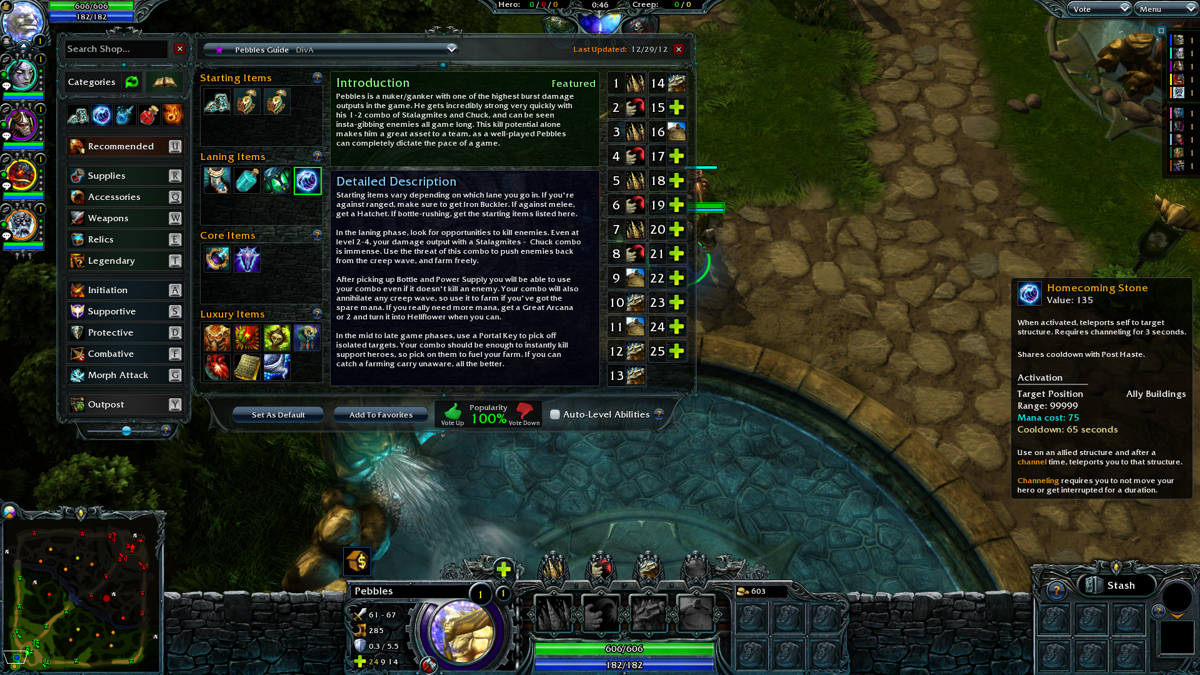
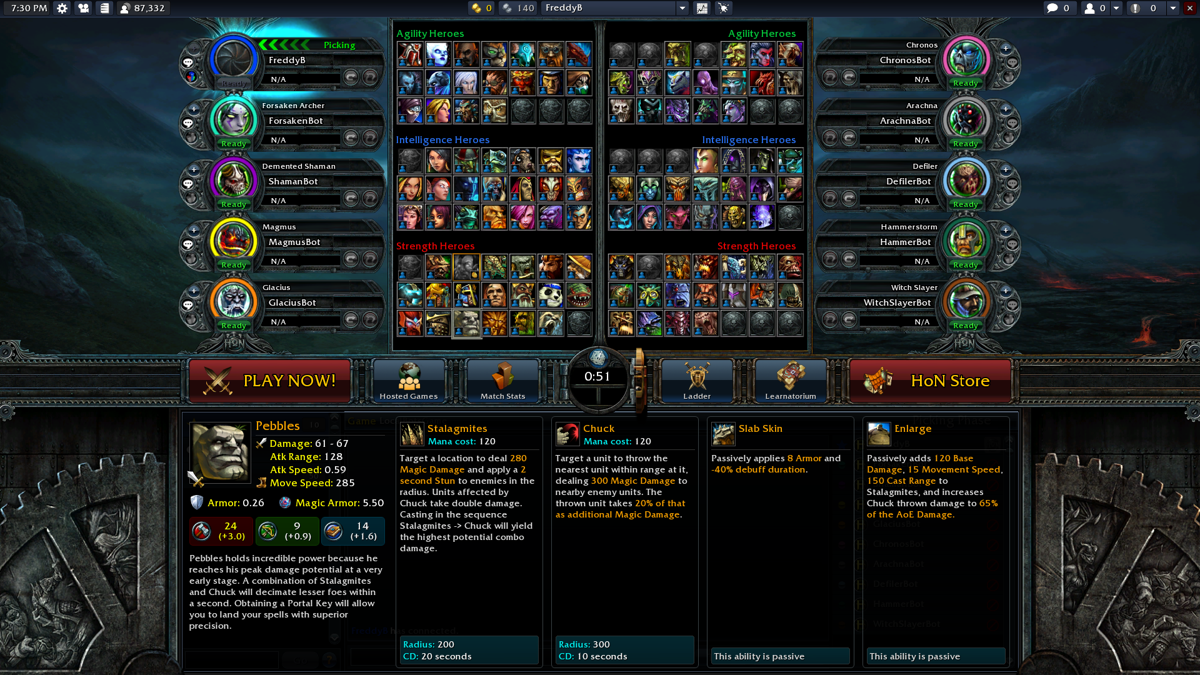
The first hour of Heroes of Newerth is all about learning to live with pressure. You control just one hero, but every move matters because your team is trying to break an opposing base while enemy heroes, turrets, AI soldiers, and neutral monsters all compete for your attention. The familiar RTS-style point-and-select controls keep the basic interaction approachable; the difficult part is making good decisions quickly enough to matter.
Matches gain their teeth from the hero roster. With 62 heroes built around different strengths and abilities, a fire mage does not ask you to play the same way as a warrior, and a lineup can open or close options before the fighting even begins. You earn experience and money by taking down enemy and neutral forces, then turn that progress into stronger abilities and better gear. That steady climb makes even cautious early play feel purposeful, while also punishing you when you feed an opponent too much room to grow.
The more interesting wrinkle is that the map is not entirely fixed. Destroying trees can create alternate routes, which invites clever positioning and surprise attacks, but the game is explicit about counters existing for those ideas. That push and pull is where Heroes of Newerth earns its strategy label: a plan is only valuable until the other team recognizes it. Expect some frustrating losses while you learn the matchups, because hero knowledge and timing carry as much weight as reflexes.
Graphics
The action is viewed from a diagonal-down battlefield camera, a sensible fit for keeping heroes, AI soldiers, turrets, trees, and neutral monsters in view as a fight develops. The fantasy cast gives you clear broad roles to read at a glance, from a fire mage to a warrior, even when the tactical situation gets crowded.

Story
Heroes of Newerth finds its drama in competitive matches rather than in a long-form tale. Your side is trying to destroy the opposing base, and that direct objective gives every advance, retreat, and defensive stand a clean stake.
Each hero effectively supplies a different angle on that conflict. A team built around particular abilities creates its own little match narrative: one side presses a route, the other finds a counter, and a previously safe part of the map becomes dangerous once trees come down.
That means the memorable moments are the ones you and your teammates create. A comeback has weight because experience, money, abilities, and gear can change the balance over time; a collapse stings because you can often trace it back to a fight or decision that went badly. If you want a game whose story comes from competition and adaptation, that is a satisfying kind of drama.
Overall Experience
Heroes of Newerth is a strong fit if you enjoy competitive team strategy and want a large roster that rewards repeated study. Its best matches are not merely about picking a powerful hero; they are about recognizing what your team can do, what the opposition can stop, and when to turn earned resources into a decisive push.
It also makes a real effort to get you into suitable games. The talent score draws on past performance for matchmaking, while match options can filter out frequent leavers or limit selection to a random subset of heroes. Those choices are valuable because they let you shape the sort of match you want instead of treating every queue as identical.
The cost of that depth is a demanding early stretch. With dozens of heroes, counters, leveling, equipment, neutral forces, and map routes to absorb, you will not understand every loss immediately. Stick with it if that sounds energizing rather than exhausting: once you start spotting why a team fight or route choice worked, Heroes of Newerth delivers the sharp, collaborative satisfaction this style of game is built for.


Reviews
There are no reviews yet.