 Retro Replay Retro Gaming History, Reviews & Emulation
Retro Replay Review
Gameplay
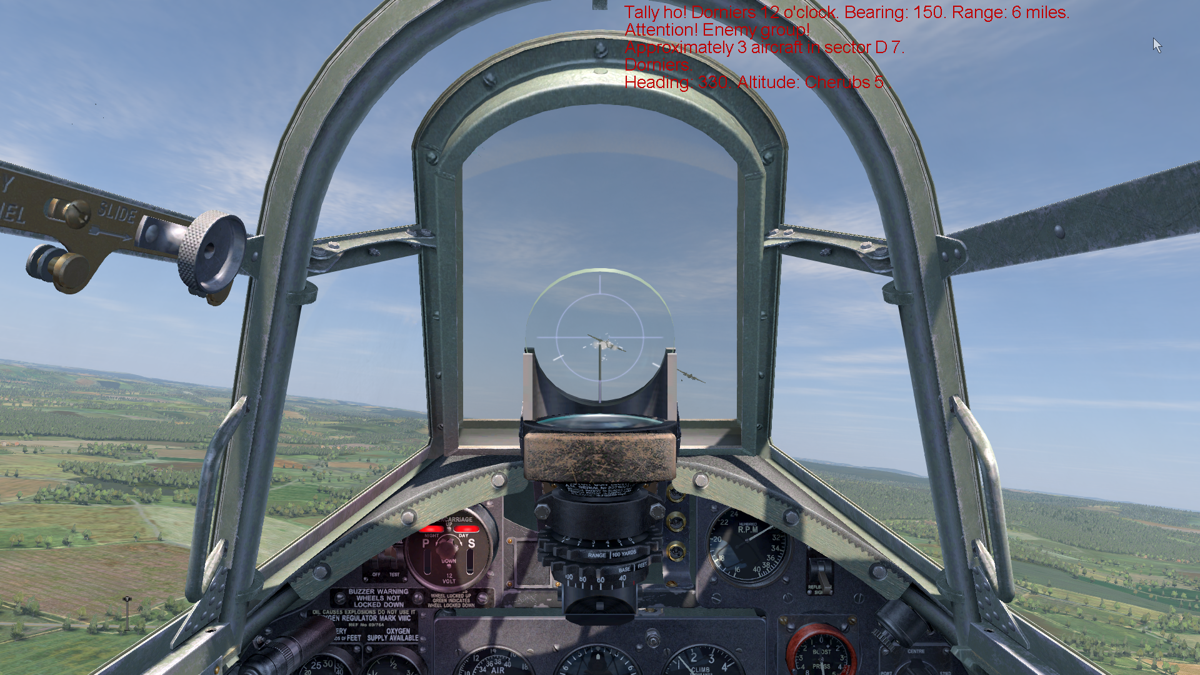
The first hour asks you to accept that getting to the fight is part of the fight. You fly toward checkpoints, carry out the objective there, and often spend time scanning the sky before enemy fighters turn a routine route into a dangerous engagement. Time acceleration is an important mercy on longer stretches, but it does not erase the deliberate tempo. If you enjoy the buildup before a dogfight, that pacing gives the action more weight; if you want immediate targets every minute, it can test your patience.
Cliffs of Dover is firmly built around simulation-minded flying, yet its realism options let you lean toward a more approachable action experience. That flexibility matters because the core goals are direct enough to understand: shoot down fighters, attack a target, protect something valuable, or hold a position. The challenge is in doing those jobs from the cockpit rather than simply checking them off. When a fight starts clicking, you are no longer just following markers—you are trying to stay alive while getting a firing chance on an opponent.
The selection of roughly 30 realistically modelled aircraft, with about 15 available to fly, gives the game real range beyond the main campaigns. Configurable missions are where you can choose an aircraft and set up jobs such as bombing, convoy escort, or point defence. Bomber sorties add another useful wrinkle: you can fly as the pilot or take a gunner position. That makes the game easier to revisit when you want a specific kind of mission instead of another campaign assignment.
Graphics
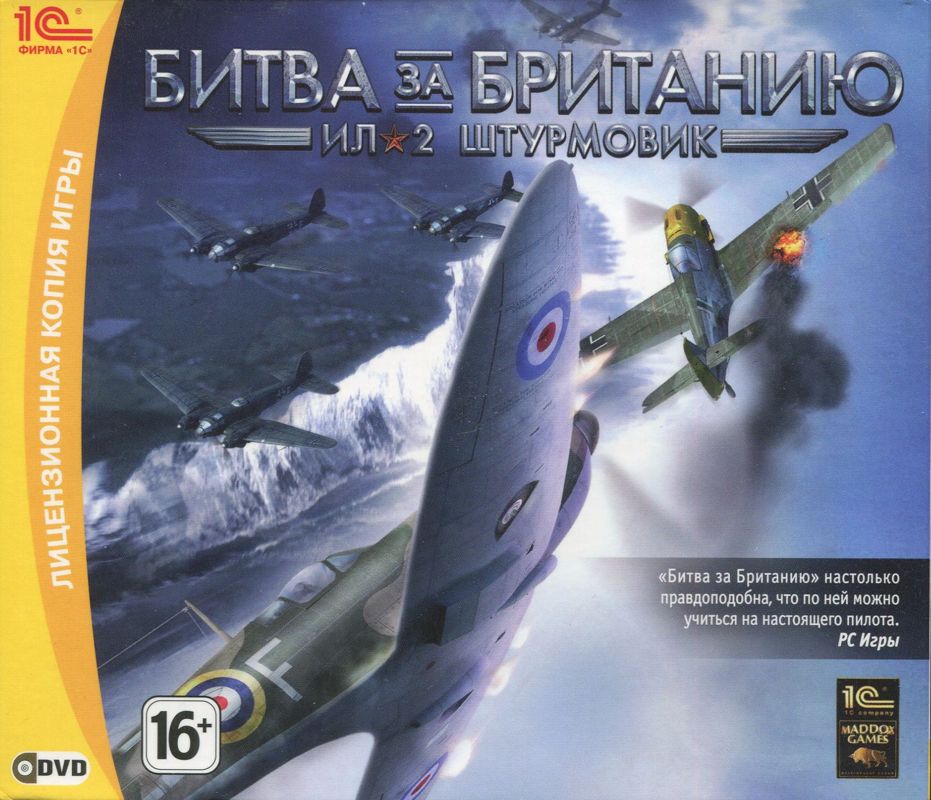
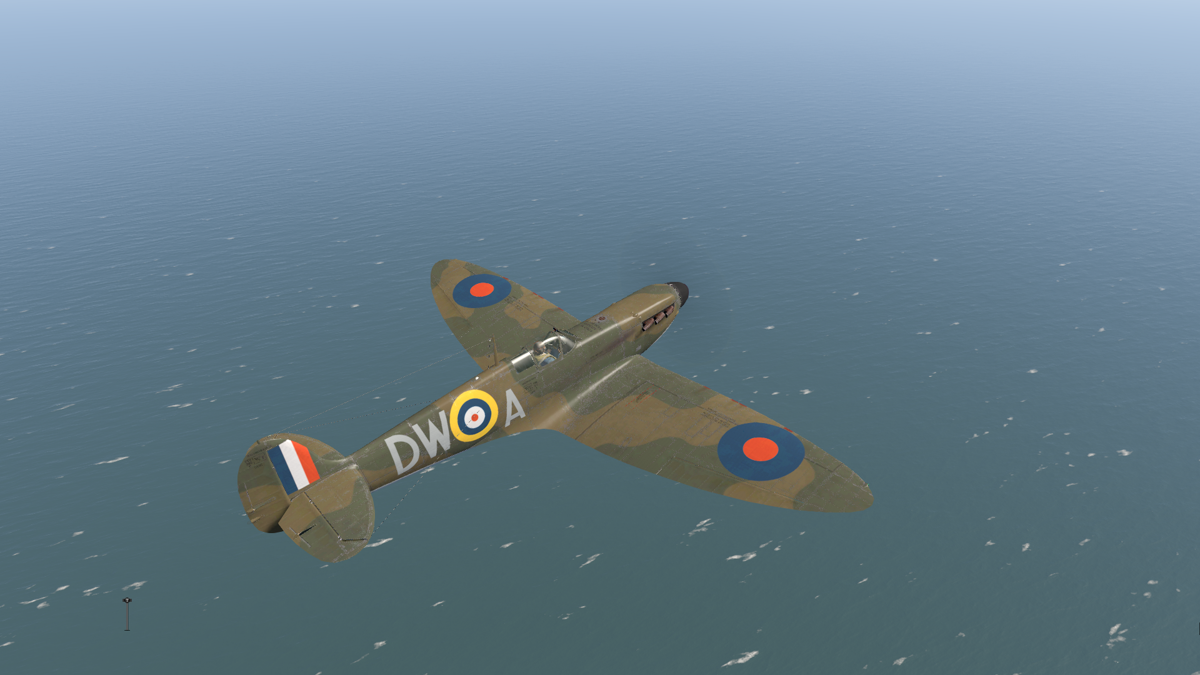
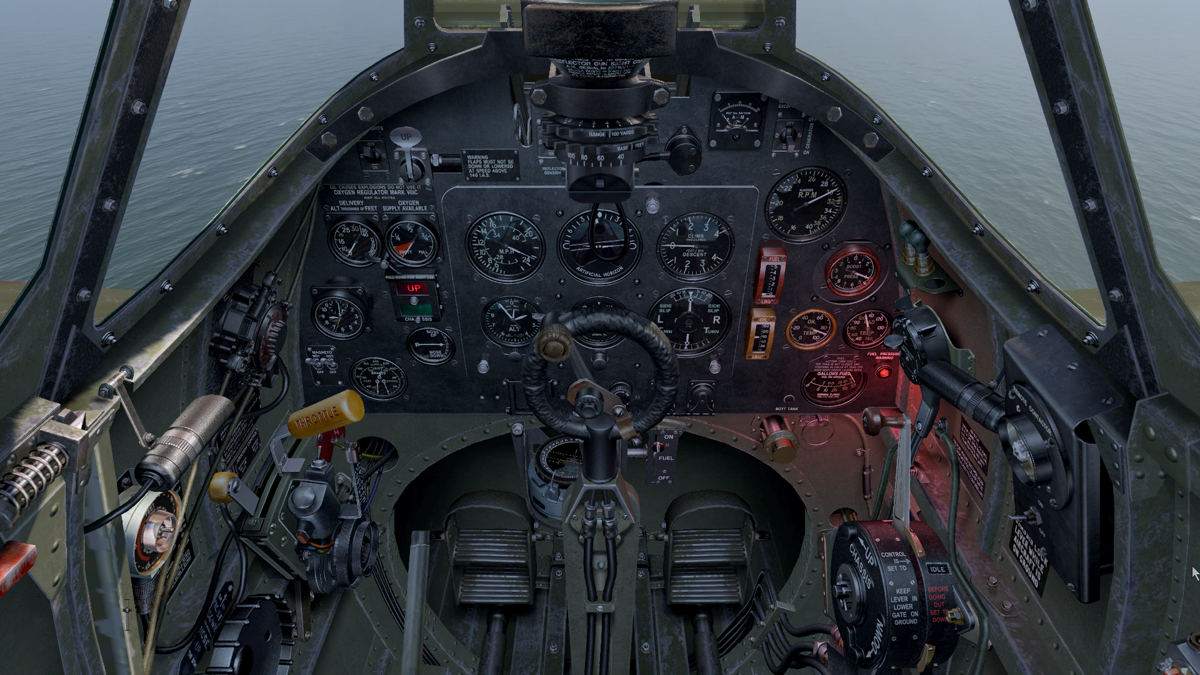
The important visual draw is the aircraft themselves. With around 30 historically modelled planes in the game, Cliffs of Dover gives its Battle of Britain air combat a convincing hardware-focused feel, and the cockpit view keeps your attention on the machine you are trying to handle in the middle of combat.
Story
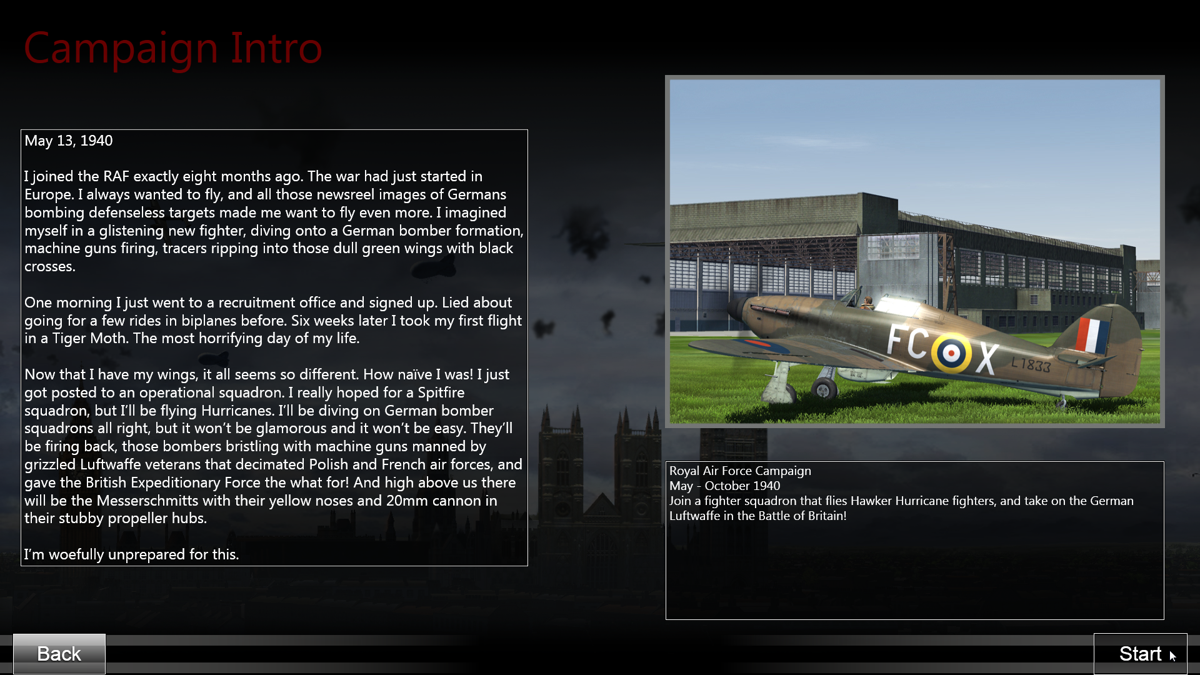
The British campaign has a basic throughline about a young pilot dealing with arrogant nobles, but it is delivered only through text between missions. It gives the 17 missions a little connective tissue without becoming a reason to keep playing on its own.
The German side is even more stripped back. Its three mini-campaigns contain six missions each and do not carry a plot, so you should treat them as focused flying assignments rather than parallel narrative campaigns.
That limited storytelling is not fatal, because the real drama comes from the sorties themselves. Still, anyone hoping the Battle of Britain setting will be carried by memorable characters or a rich campaign arc will find a fairly thin frame around the flying.
Overall Experience
Cliffs of Dover has a clear pull if WWII aviation interests you: it lets a mission breathe, then makes the arrival of enemy fighters feel consequential. The mix of realism settings means you do not have to embrace every demanding simulation angle at once, while the underlying design still asks you to respect the aircraft and the journey to the objective.
Its weaker side is equally clear. The campaigns are mission-driven rather than dramatically driven, the British story is slight, and the German material offers no plot at all. Long flights remain part of the package even with time acceleration, so the game cannot maintain the instant-hit pace of a dedicated action flyer.
At its best, this is a solid, sometimes absorbing Battle of Britain sim for the gamer who wants configurable WWII air combat and a choice of aircraft roles. It earns a qualified recommendation: give it a chance if you enjoy learning into a flight sim’s deliberate rhythm, but skip it if a substantial story campaign or constant arcade-style action is what gets you airborne.


Reviews
There are no reviews yet.