 Retro Replay Retro Gaming History, Reviews & Emulation
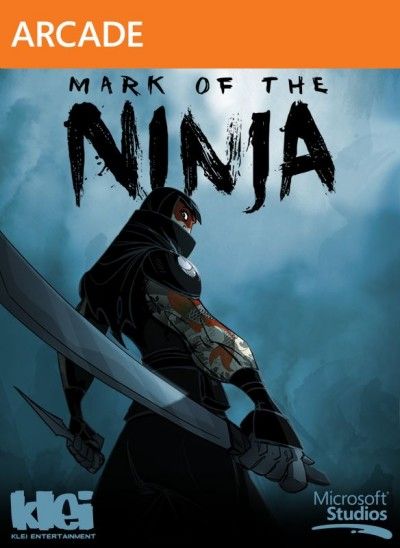

Retro Replay Review
Gameplay
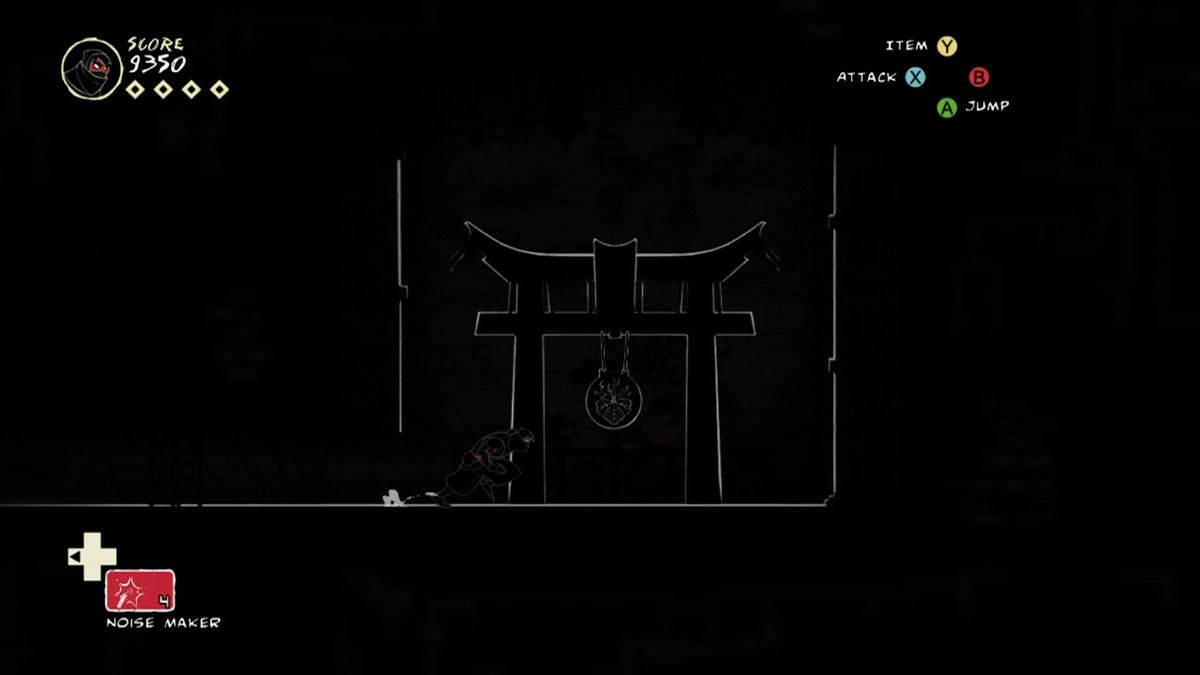
Mark of the Ninja understands that stealth is most exciting when you can immediately tell why a plan worked—or why it went wrong. Darkness keeps you safer, nearby lights can expose you, and noise has consequences. Run recklessly, smash something, or otherwise make a racket and guards respond. That clarity turns every side-scrolling room into a small improvisation: wait, watch a patrol, create a distraction, then move before the opening closes.
The first clean kill is a strong hook. Getting close to an unaware guard for a one-hit execution feels earned because you had to manage sight and sound to reach that spot. Yet the game does not trap you in a murderous version of stealth. You can finish almost all of it without killing anyone, and that changes the mood of a level from predator fantasy to precise escape. The two required named boss targets are the exception.
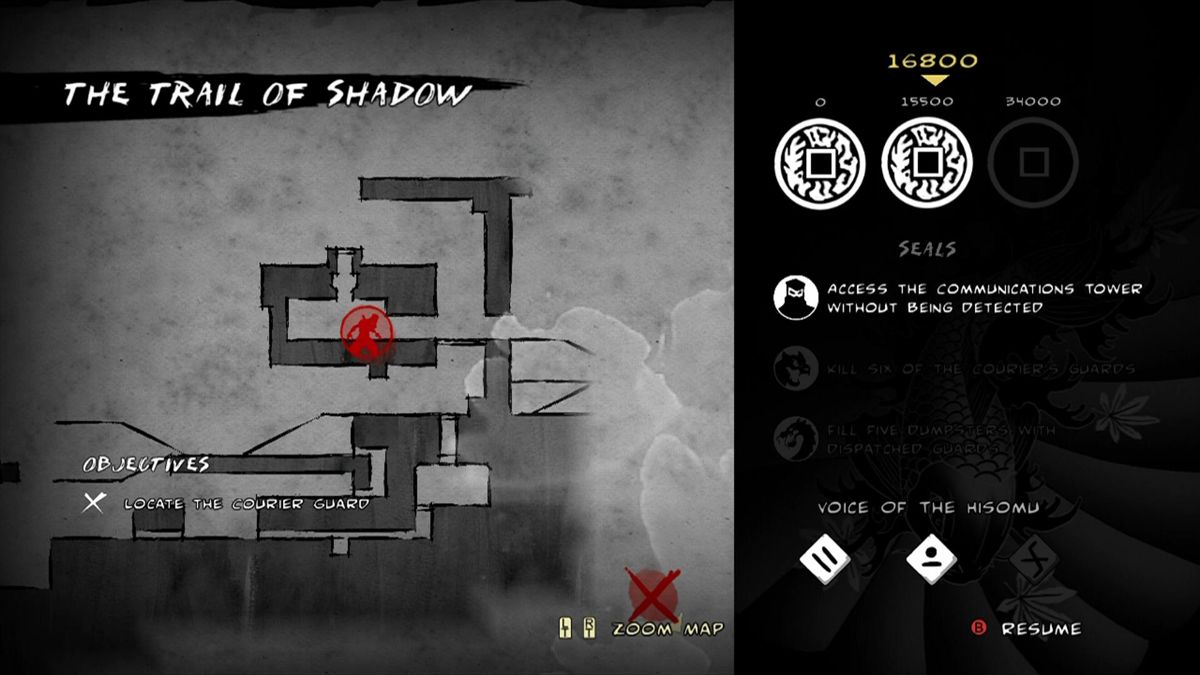
Replay value comes from the score chase without reducing every mission to a single approved solution. Silent takedowns, slipping past guards unseen, distractions, and clean completions all contribute points. Each level also offers three scoring tiers, three hidden scrolls, and three optional objectives, so a first pass rarely feels like the final word. Chasing all nine possible Honor points can be demanding, but it gives you a concrete reason to revisit spaces you thought you had mastered.
Honor points buy upgrades and items between levels, while Style unlocks make your choices more pointed. Completing objectives aligned with Silence, Nightmares, Hunter, or Might unlocks a Style with a benefit and a trade-off. Path of Silence, for example, lets you run silently and carry more distractions, but removes stealth kills. That kind of restriction is exactly what makes a replay interesting: it asks you to rethink your comfortable habits rather than simply making you stronger.
Graphics
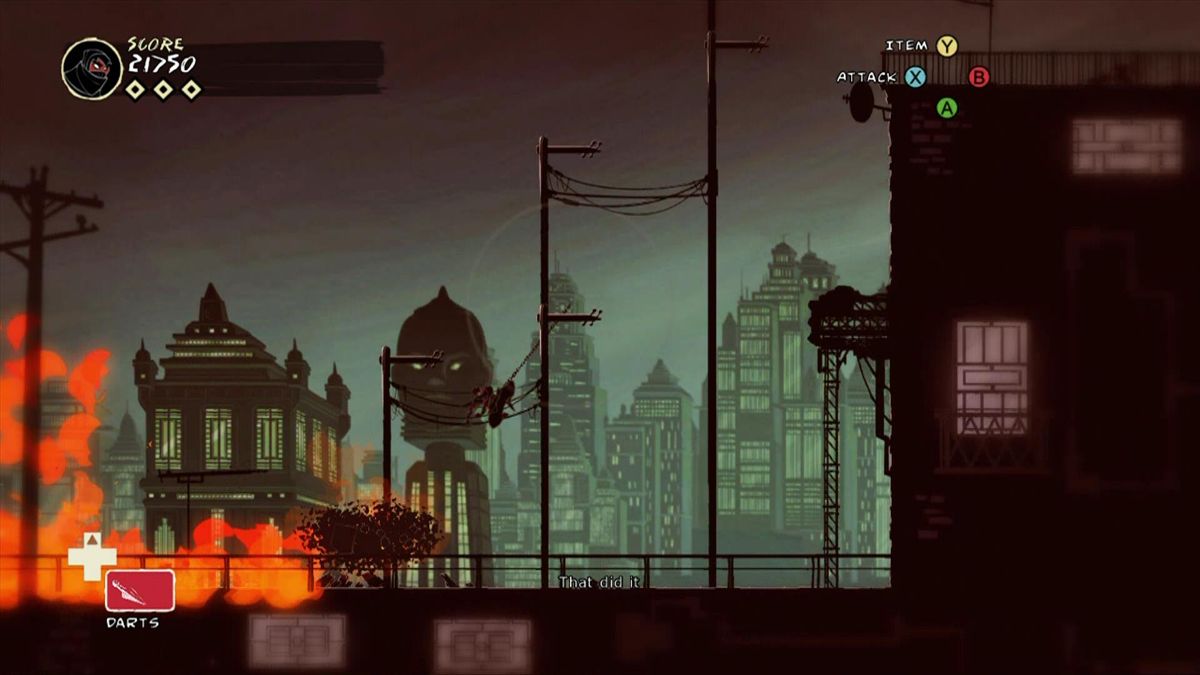
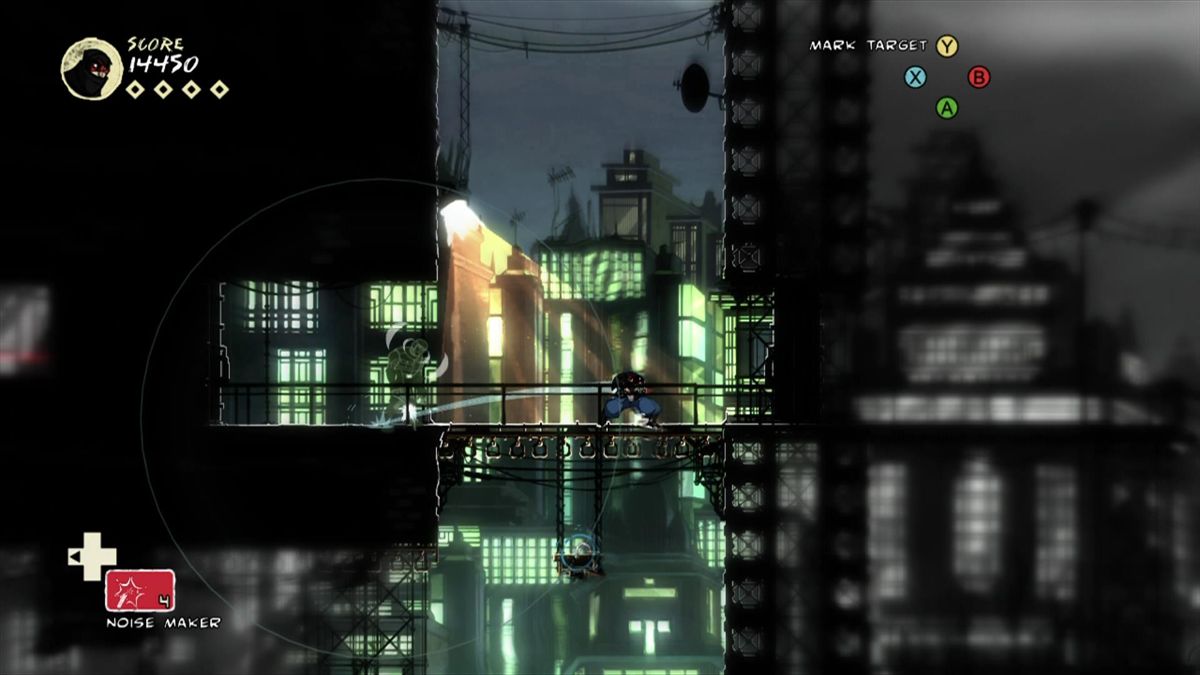
The game uses a 2D side view and an art style in line with Klei’s earlier Shank games. The important visual information is built into the spaces themselves: lit areas put your ninja at risk, while darker routes offer safer movement. That makes the screen easy to read while you are planning a route through guards.
Story
You begin as an unnamed ninja waking to find his clan under attack in a modern-day setting. After dealing with the initial attackers, he is sent after the leader of Hessian Services, the private military corporation behind the assault. It is a direct revenge-and-survival setup, and it gives the stealth missions a clear target.
The more interesting hook is the tattoo ritual. The protagonist receives tattoos that heighten his senses and agility, but they are also believed to drive their bearer insane. Clan tradition demands that anyone who receives them commit suicide once the threat has passed, giving the assignment a grim deadline from the outset.
Three hidden scrolls per level fill in extra backstory through audio-log-like material. They are optional rather than forced on you, which suits a game built around careful exploration. If you only want the next infiltration, the main goal remains clear; if the clan and its doomed ritual catch your interest, there is more to uncover.
Overall Experience
This is stealth action with a rare sense of fairness. It asks you to be deliberate, but it does not make deliberation dull. Every light, noisy action, and unnoticed route matters, so success feels like the result of your decisions rather than a lucky break.
The scoring structure can bring out your perfectionist side. An unseen, no-kill run earns the largest rewards, while optional objectives and hidden scrolls invite you to comb through levels again. If you hate replaying missions for better ranks, you may be content with a straightforward run; if you enjoy refining a route, the game has real staying power.
Its strongest recommendation is for anyone who likes stealth games but wants the rules communicated cleanly in a brisk side-scrolling format. You can tailor your approach, accept the consequences of your Style choices, and still pursue the central mission without getting buried in complexity. For game-specific release and development history, see Mark of the Ninja’s reference page. The payoff is absolutely worth it: a focused stealth game that makes patience feel active rather than passive.



Reviews
There are no reviews yet.