 Retro Replay Retro Gaming History, Reviews & Emulation


Retro Replay Review
Gameplay
Neverwinter Nights feels immediately familiar if you like computer Dungeons & Dragons. You make a character under the third-edition rules, choose how you want to approach danger, and set off into a campaign that regularly asks you to fight, explore, and talk your way toward the next clue. Combat runs in real time, but the ability to pause and hand out orders gives difficult encounters a welcome tactical rhythm. When a fight becomes crowded, stopping the action to reconsider your next spell or target is the difference between smart planning and a quick trip back from defeat.
The unusual decision is making you responsible for just one fully developed hero. A henchman may accompany you, yet that companion cannot level up or carry an inventory, and your control is limited to general instructions. That makes character-building feel personal, especially if you enjoy committing to one role, but it also leaves the party dynamic thinner than you may expect from a game so closely associated with Baldur’s Gate. The frustration sets in when you want a companion to be a genuine second build rather than an AI partner you manage at arm’s length.
What keeps the game important is how far it extends beyond the included adventure. The toolkit lets you assemble areas from tiles, populate them with objects and NPCs, and create scripted conversations, cutscenes, and events. Dungeon Master multiplayer pushes that flexibility even further by letting one person set traps and battles for others in the middle of a session. If you have ever finished an RPG and thought, “I could build a dungeon better than that,” Neverwinter Nights gives you a serious way to try.

Graphics
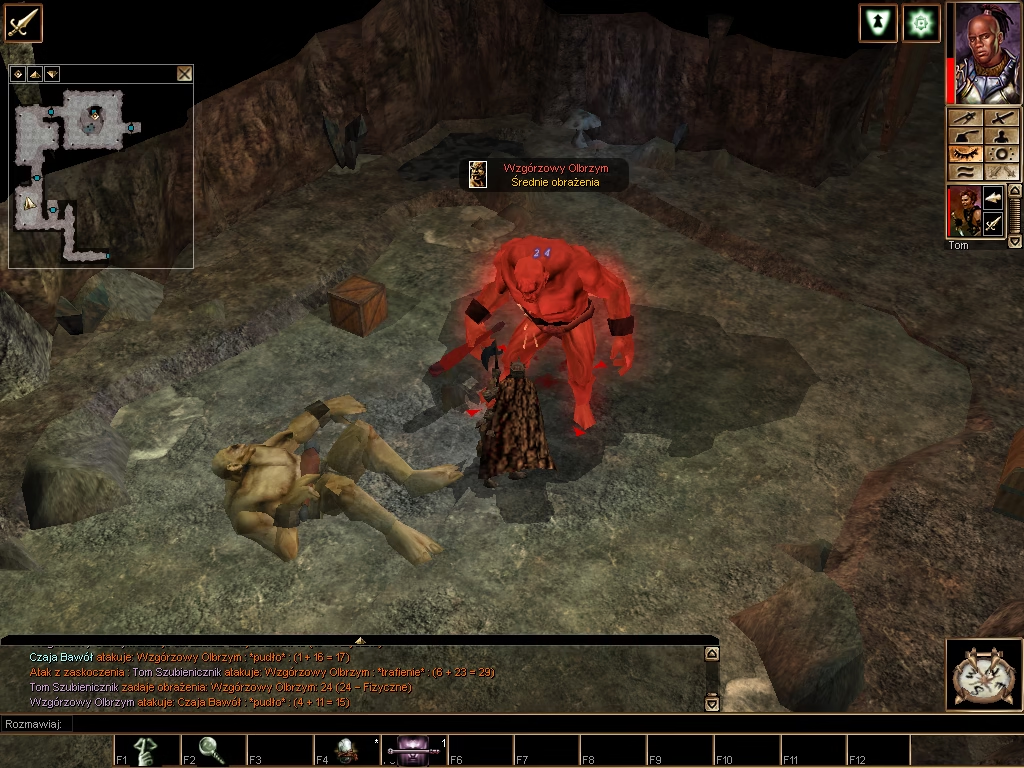
The angled 3D view makes stone streets, dungeon floors, and rocky caves easy to read as places where characters are moving and fighting. Earthy browns, gray cobblestones, and dim interiors suit the fantasy setting, while a hulking red creature under a magical effect stands out sharply against a drab cavern.
Character models are functional rather than expressive. Armor, weapons, and different fantasy bodies come across clearly, but close conversation scenes expose repeated-looking faces and stiff, plain figures. The freely rotating, zoomable camera is valuable for getting a better look at an area, even if the underlying models have a distinctly early-2000s roughness.

Story
The Wailing Death gives the opening real urgency. Neverwinter is in trouble, and Lady Aribeth sends your adventurer alongside her fiance Fenthick Moss and his friend Desther to find four monsters needed for a cure. It is a clean, motivating setup that gets you into the field quickly without burying the first hours in lore.
The plot improves once assassins target the hero and the illness stops looking like a simple disaster. An evil cult sits behind the crisis, turning the hunt for a cure into an investigation of who is engineering the city’s suffering and why. That escalation gives the journey a stronger backbone than a string of disconnected monster hunts.
Do not come in expecting the warmth of a deeply managed party story. The campaign centers your character and its growing role in saving Neverwinter, while the limited henchman system naturally restricts how much the traveling cast can develop around you. The mystery and city-saving stakes carry it well enough, but the story is more compelling as a traditional fantasy campaign than as an intimate companion drama.
Overall Experience
Neverwinter Nights earns its reputation because it combines a solid single-hero D&D campaign with an unusually ambitious invitation to make your own. The official adventure has enough danger and conspiracy to keep you moving, and the pause-based combat still gives rule-minded RPG fans plenty to think about. Its rougher character models and restricted companions are real drawbacks, not quaint details, especially if you arrive hoping for Baldur’s Gate with a fully controllable group.
Give it a chance if you enjoy building a specific D&D character and like tactical battles that reward stopping to plan. You should also play it if the prospect of joining player-made adventures, running a Dungeon Master session, or constructing your own areas sounds as exciting as finishing the campaign. That creative reach is not a side attraction. It is the reason this game stayed relevant long after its initial trip through Neverwinter.
The payoff is strongest for tinkerers and tabletop-minded groups. You can finish the central story satisfied, but the game becomes far more memorable when you treat it as a platform for adventures other people can run, reshape, and share. For a solo RPG fan who needs rich companion management, the limitations may wear thin. For anyone who wants computer D&D with room to create, it remains an easy recommendation.


Reviews
There are no reviews yet.