 Retro Replay Retro Gaming History, Reviews & Emulation

Retro Replay Review
Gameplay
You spend most of Puzzle Agent 2 moving Nelson Tethers through Scoggins, speaking with residents, checking interactive locations, and clearing logic puzzles before the investigation can continue. It is a clean point-and-select setup: click the screen and nearby usable spots are highlighted, so you are rarely stuck wondering whether a tiny object is hiding in the scenery. There is no inventory to manage and no adventure-game ritual of trying every object on every other object. That keeps the pace focused on the case and, more importantly, the puzzles.
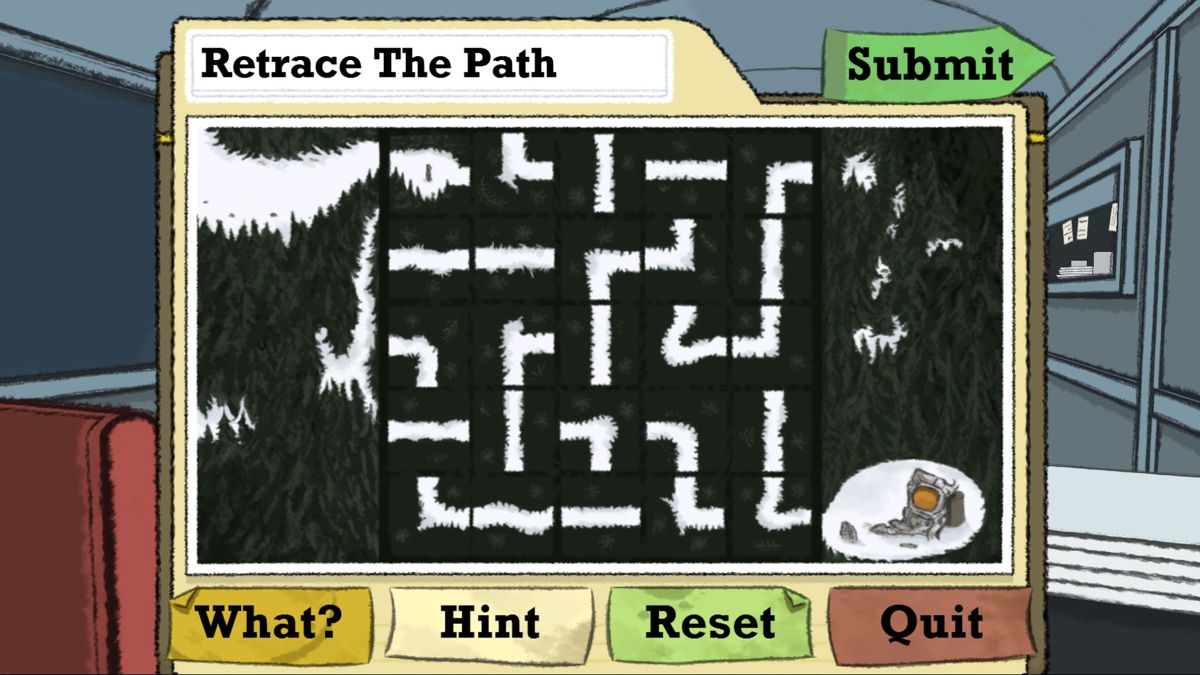
The puzzles cover familiar brain-teaser territory, including number sequences and deduction grids built from clues about where people are staying. If that sounds inviting, the game gets to the point quickly. If you came hoping for a more traditional detective adventure, the frequent puzzle gates can feel like interruptions rather than discoveries. Progress is linear, so solving the current problem is usually the only way forward; the optional puzzles at least offer extra challenges without holding the main investigation hostage.
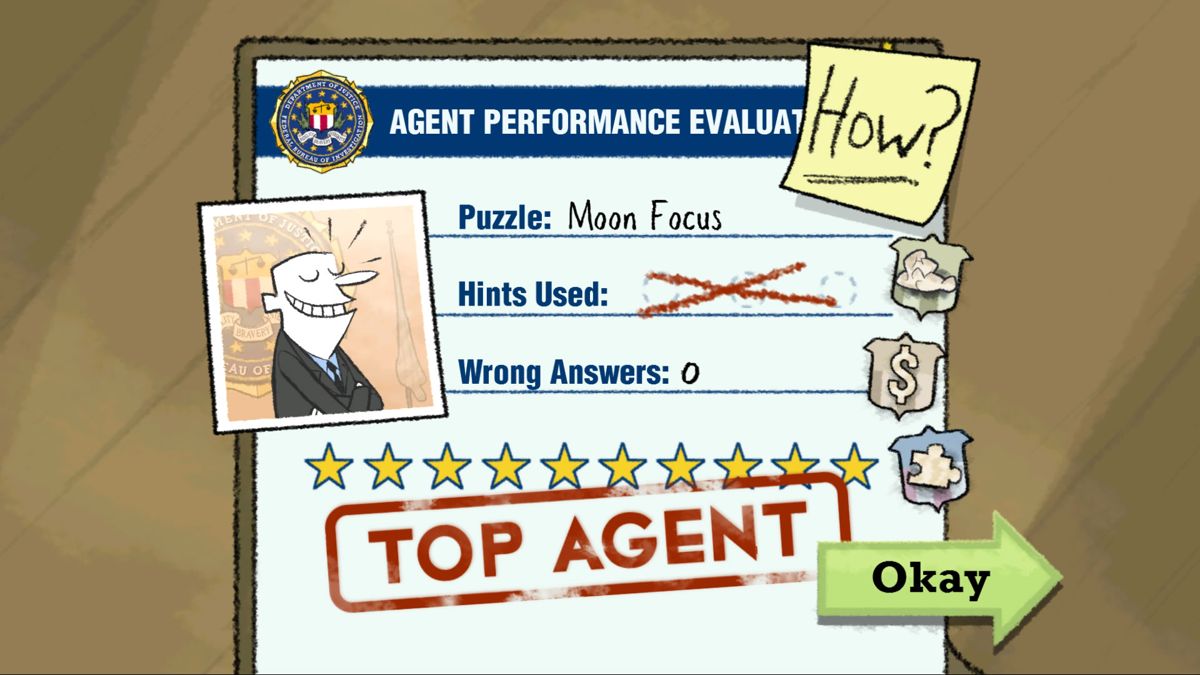
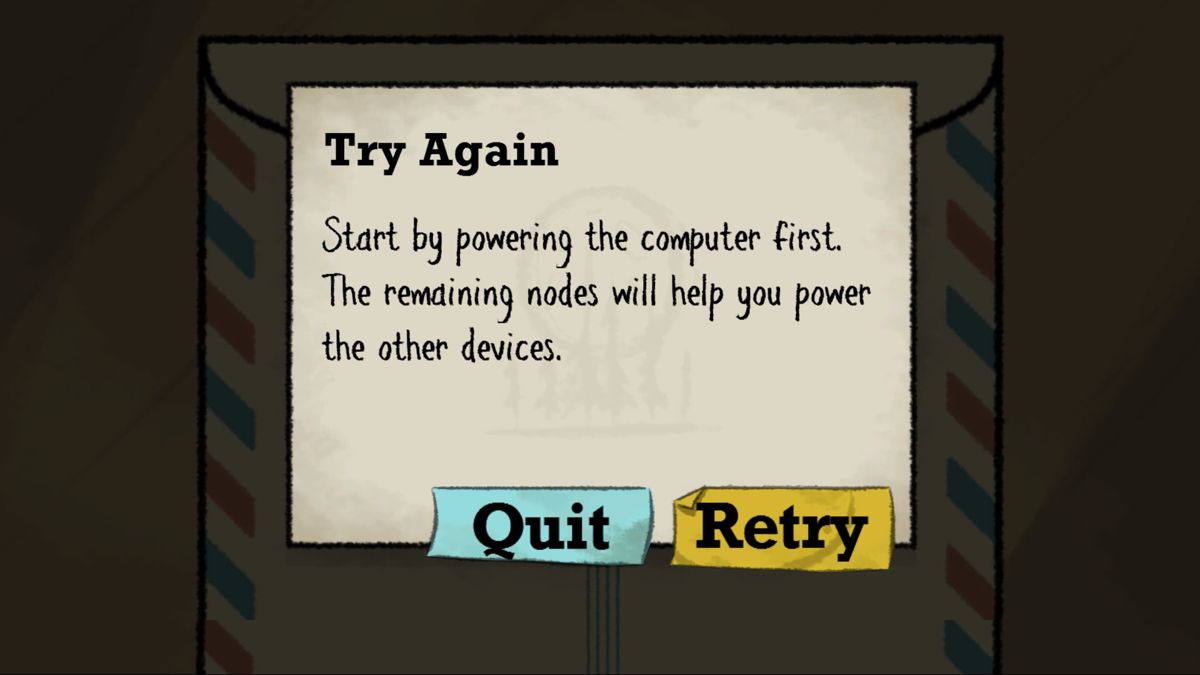
The hint system is sensible in theory and useful when a puzzle has you staring at the same clues for too long. Each challenge allows up to three hints, beginning gently and becoming explicit, but every hint costs gum that you collect from the backgrounds. That creates a small resource decision: scour the screen for gum and preserve your help for the tougher deductions, or push through unaided. Since the game highlights interactable spots only within the area you click, it encourages a bit of methodical searching without turning into a pixel hunt.
The frustration comes from the same place as the satisfaction. When a solution clicks, you feel like you have earned the next piece of the mystery. When the puzzle wording or logic does not immediately land, the linear structure leaves little room to change pace. This is a game for someone happy to stop, take notes, and work through a problem; it is less convincing for anyone who wants a detective story that moves on its own momentum.
Graphics
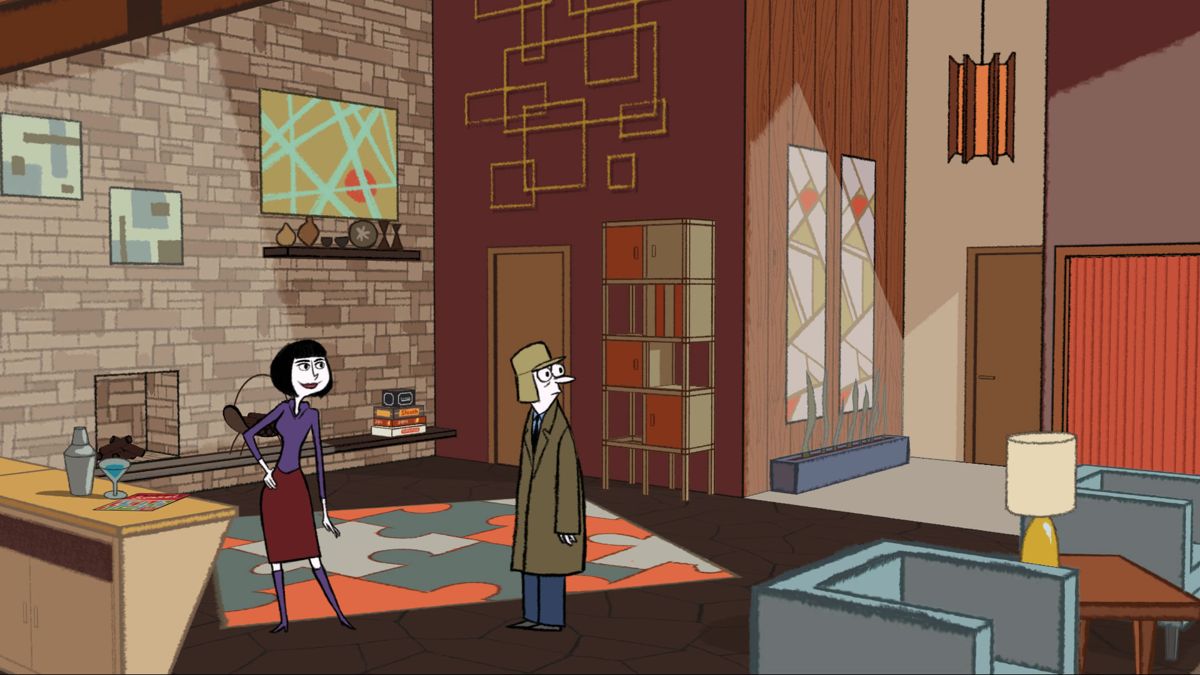
The game is viewed through a point-and-select interface built around Scoggins locations and their backgrounds. Interactive areas can be highlighted after you click, and collectible gum is placed in the scenery, making the act of examining each screen part of the routine rather than a separate menu exercise.
Story
Nelson Tethers returns to Scoggins on his vacation because the previous FBI case may be closed, but it does not feel resolved to him. The eraser factory has resumed business, yet its foreman remains missing. That lingering loose end gives the sequel a good reason to revisit the town instead of pretending the earlier investigation simply never happened.
Scoggins does much of the narrative work through resistance. The townsfolk are unwelcoming, and each short interview becomes another reminder that Tethers is digging where he is not wanted. It is a strong fit for a mystery game: you are not just collecting answers, you are trying to pry them out of a place that would rather keep its secrets.
The story is delivered in a controlled, linear path, with puzzles regularly determining when you get the next lead. That structure can make the case feel deliberately paced, but it also means the mystery rises and falls with your tolerance for the intervening brainteasers. Stick with it if returning to an unresolved, strange town sounds more compelling than chasing a sprawling detective sandbox.
Overall Experience
Puzzle Agent 2 knows exactly what it wants to be: a compact return to an odd FBI mystery, with conversations and investigation serving as the bridge between logic problems. Its strongest stretch is when a suspicious exchange leaves you wanting answers and the next puzzle feels like a real obstacle in the inquiry rather than busywork.
It does not substantially reinvent the previous game’s format. That is welcome if you liked the earlier balance of clue-driven puzzles and uneasy small-town detective work, but it leaves little room for surprise in the basic rhythm. The absence of inventory puzzles is a genuine plus for players tired of arbitrary adventure-game logic, while the fixed sequence of puzzle gates will test the patience of anyone who prefers several leads open at once.
At its best, the game is a pleasant evening-or-two mystery for puzzle fans who enjoy deduction challenges with a narrative wrapper. At its worst, it can feel like you are waiting for the next story beat while wrestling a puzzle that has not clicked yet. The payoff is worth it when Scoggins’ unanswered questions and Tethers’ persistence have already hooked you; otherwise, the 6.6 score feels right for a competent but only mildly adventurous sequel.



Reviews
There are no reviews yet.