 Retro Replay Retro Gaming History, Reviews & Emulation
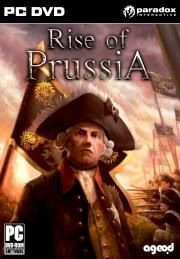
Retro Replay Review
Gameplay
Rise of Prussia opens with the promise every serious historical wargamer likes to hear: a focused conflict, a large pool of units and leaders, and enough historical material to let your decisions push against the record. The Seven Years’ War is not used as mere wallpaper here. It shapes the game’s campaign structure, from the annual scenarios that mirror individual years of the war to the broader grand campaign.
The annual campaigns are the smart place to start. A full grand campaign can be an intimidating proposition when you are also trying to understand the game’s many military pieces and historical pressures. Taking on a single year gives you a clearer frame for judging plans, learning the scale of the conflict, and deciding whether AGEOD’s detail-heavy style is really for you.
There is plenty to manage: hundreds of units, roughly a hundred historical leaders, and events that can steer the war along history’s path or toward plausible alternatives. That scope is the game’s greatest strength and its most obvious obstacle. You get room for consequential choices, but you also need patience for a design that expects you to care about more than winning the next fight. The 1756 Saxony battle scenario is a useful focused option when you want the conflict’s central military tension without committing to the larger campaigns.
Graphics
The top-down battlefield view is built around following a large historical war rather than delivering dramatic close-up spectacle. With so many formations and leaders involved, the visual approach serves a practical strategic purpose, but it is unlikely to be the reason you choose Rise of Prussia over a more immediately striking modern strategy game.
Story
This is history-driven strategy rather than a character-led war story. Prussia’s expansion and the Seven Years’ War supply the drama, and the game’s scenarios give that history a useful shape instead of leaving you in an unfocused open-ended campaign.
Historical events are where the game gains much of its personality. They allow you to pursue familiar outcomes or take alternative but plausible directions, which is exactly the right balance for a game about a real conflict. You are not simply reenacting a timeline, but you are also not asked to pretend the period’s political and military realities do not matter.
That approach will land best if you already have some curiosity about the era. Rise of Prussia gives the war context and structure, but its drama comes from the weight of historical decisions rather than from scripted personal storytelling. If you want a strong narrative cast or a cinematic plot, this is not that kind of strategy game.
Overall Experience
Rise of Prussia is a committed niche wargame, and it is better for not pretending otherwise. Its detailed treatment of the Seven Years’ War, historical leadership, and scenario selection give it genuine substance. You can feel that the game wants you to engage with a particular war, not just shuffle anonymous armies across a map.
The drawback is that the same depth can make the first stretch feel like work. If you come in looking for quick, accessible turn-based battles, the volume of military and historical information may wear you down before the strategic possibilities begin to click. Start with an annual campaign or the Saxony scenario, and give yourself permission to learn in smaller pieces.
For dedicated AGEOD fans and history-minded strategy players, the payoff is a focused campaign game with meaningful replay value through alternate yet plausible historical outcomes. For everyone else, it is a respectable but demanding recommendation. Rise of Prussia earns its place through subject matter and depth, not ease or flash.


Reviews
There are no reviews yet.