 Retro Replay Retro Gaming History, Reviews & Emulation
Retro Replay Review
Gameplay
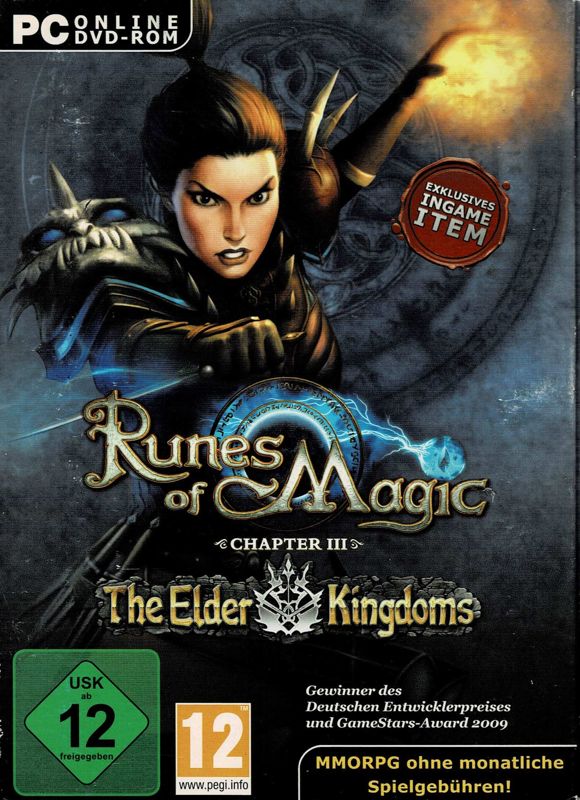
The first hour has a straightforward pull: you are heading into Zandorya, a continent in trouble, with a higher level cap and fresh territory ahead. For a returning Runes of Magic player, that is a more satisfying promise than a minor tune-up. The jump to level 60 gives existing progression somewhere to go, while the new areas, quests, and dungeons make that climb feel attached to an actual expansion rather than a number quietly added to the top of the scale.
Guild Wars is the feature that changes the rhythm most. It is separate from the normal game areas, generating a new map filled with guild stations. Holding stations produces resources; those resources build defenses; the win condition is controlling every station. That clean objective gives guild activity a sharper competitive focus than simply having more fortress options to manage. It should click quickly if you enjoy coordinating around territory and incremental advantage.
The catch is that Guild Wars asks for a guild that wants to show up and work toward the same goal. Solo-minded adventurers can still use the new quest, dungeon, and level-cap content, but the headline mode will not carry the same weight without a group behind it. Guilds already settled into the preceding expansion, Runes of Magic: Chapter II – The Elven Prophecy, have the clearest reason to make the move.
Graphics
Zandorya supplies new areas and dungeons to explore, while Guild Wars shifts the view to a newly generated map marked by stations that become the points worth fighting over. The expansion’s clearest visual distinction comes from moving between that separate strategic map and the regular adventuring areas.
Story
The story gives Zandorya a practical sense of urgency: the continent is close to breaking apart under conflicts between races and interest groups. You are not merely sightseeing in a new land; you are entering a place already under strain.
A young king attempts to save the continent with an elite troop, and the player is brought into that effort. It is a familiar heroic setup, but it works well enough as a frame for a quest-driven MMORPG expansion. The stakes are broad and easy to understand from the outset.
Do not come here expecting the story to eclipse the game’s progression and group content. Its job is to point you through new zones, quests, and dungeons, and it does that with a more immediate premise than an aimless batch of extra missions would have offered.
Overall Experience
The Elder Kingdoms is a solid expansion because it adds both more of what established characters need—levels, quests, areas, dungeons—and one meaningful new direction for guilds. The Guild Wars station-control mode has a real strategic spine: take income, convert it into defense, and push toward total control.
It is less persuasive as an entry point for someone who has no attachment to Runes of Magic. The expansion assumes that the appeal of leveling, dungeon-running, and guild infrastructure is already there. If that foundation has you hooked, Zandorya feels like a credible next chapter; if it has not, this add-on is unlikely to change your mind by itself.
The free-to-play model remains intact, funded through in-game item sales, while the retail release includes items to help justify its price. That is worth knowing before you commit. Still, for an active guild and a character ready to push beyond the old cap, this is an easy expansion to recommend. For a broader snapshot of its reception, see the The Elder Kingdoms review overview.


Reviews
There are no reviews yet.