 Retro Replay Retro Gaming History, Reviews & Emulation


Retro Replay Review
Gameplay
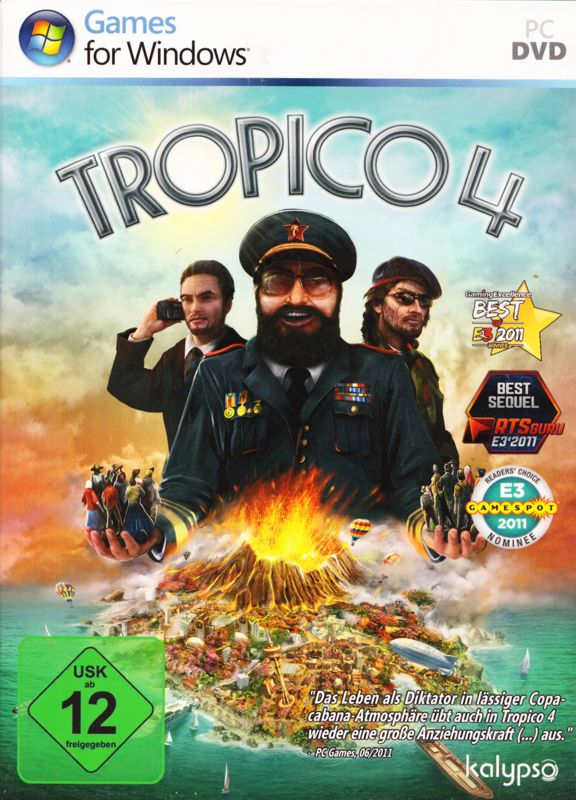
The first hour has a clean, compulsive rhythm: choose what your island can produce, place the buildings needed to support that plan, and watch your economy move from a handful of worksites toward something sustainable. Mining, education, hotels, and army training all feed into a wider set of priorities rather than existing as isolated toys. The practical question is always whether you should chase production, court tourists, or shore up the needs of the population before either side becomes a crisis.
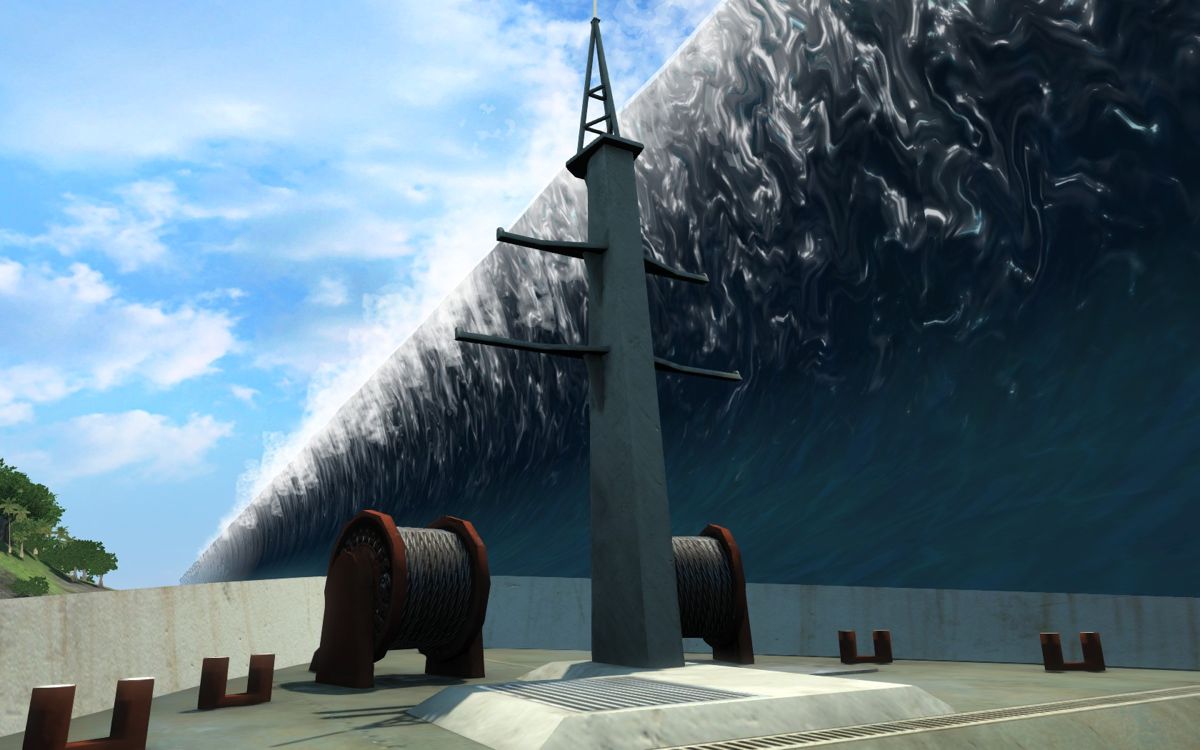
Once the basic economy is stable, Tropico 4 gets more interesting. International requests can push you toward choices such as hosting a military base or permitting atomic tests, and accepting or rejecting them affects diplomatic relationships. Meanwhile, unhappy citizens do not merely complain in a ledger: they can strike, become rebellious, sway an optional election against you, or attack the palace. That pressure gives routine expansion a welcome edge. You can build efficiently and still lose the room if you have ignored the people who live in it.
The dictator avatar is a curious extra layer. You can directly control him and have him carry out special tasks based on his abilities, but the army itself is not directly commanded. That distinction matters: military buildings are insurance against disorder, not a route into a full tactical war game. If you want a city builder that occasionally demands personal intervention from its ruler, it is a nice touch; if you want to micromanage troops, this is not where the game’s attention lies.
The 20-mission campaign gives the political decisions and scripted events a useful framework, while free play is where long-term tinkering can take over. New trade systems, buildings, disasters, and requests keep the formula moving, but this remains very close to Tropico 3 at its core. That is fine if you want more of this particular blend of construction, commerce, and authoritarian problem-solving; less so if you need a sequel to radically redraw the blueprint.

Graphics
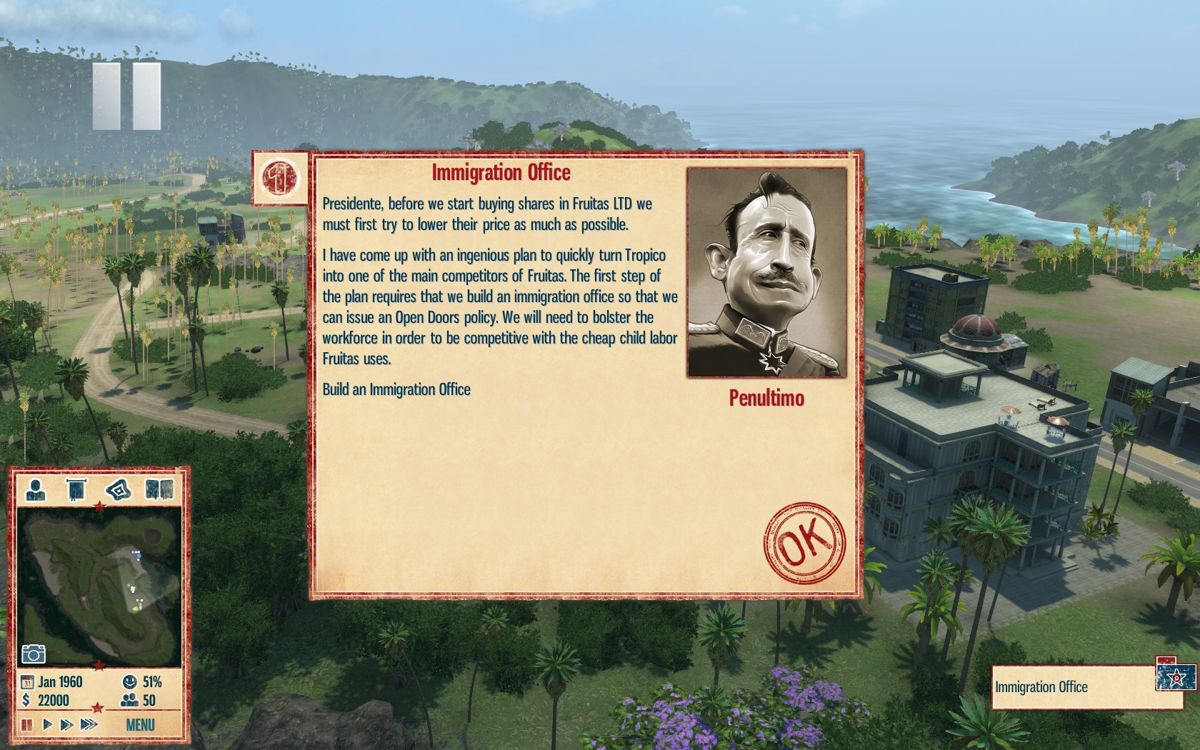
The diagonal-down, free-camera view is well suited to surveying an island as it fills with mines, schools, hotels, and military sites. You spend much of your time looking across a growing tropical settlement rather than inhabiting a single character’s viewpoint, and the camera keeps that broad management task front and center.
Story
Tropico 4’s story is less about one fixed narrative than the ongoing tale of your presidency. You rule a fictional tropical island under Cold War-era pressures, and the campaign’s scripted events turn political decisions into the main source of drama. The stakes are direct: satisfy an outside power, satisfy the public, or find a compromise that leaves you in office.
That setup works because the political choices are tied to consequences you have already felt in play. A foreign request is not just flavor when diplomacy matters; public demands are not just text when discontent can become strikes, rebellion, a failed election, or an assault on the palace. The game lets you feel the uncomfortable overlap between governing responsibly and maintaining power.
Do not come in expecting a character-driven drama. The campaign’s draw is the accumulation of difficult rulership decisions across its 20 missions, while free play lets you write your own story of an island that prospered, appeased everyone, or staggered through crisis after crisis under your command. For game history and release context, the Tropico 4 overview is a useful companion.
Overall Experience
Tropico 4 is at its strongest when a sensible building plan turns into a messy political balancing act. You may begin by thinking about income and infrastructure, then realize you are also weighing diplomacy, popular contentment, elections, unrest, and the need for a military safety net. It captures the pleasure of making a machine run while continually asking whether the machine is making enough people angry to end your rule.
The frustration is deliberate but real: prosperity alone is not a solution, and external demands can make a tidy plan feel compromised. That can be exactly what you want from a management game. Every decision has a second audience, whether it is citizens watching their quality of life or foreign countries watching your allegiance. You need to enjoy adjusting plans when politics intrudes, rather than treating it as an unwelcome distraction from construction.
With a 20-mission campaign and a free-play mode, it has enough structure for someone who wants directed challenges and enough freedom for someone who wants to engineer an island at their own pace. The payoff is worth it for strategy fans who like city building with consequences beyond the budget sheet. Veterans of Tropico 3 should expect a polished continuation rather than a wholesale overhaul, but the added trading, requests, disasters, and buildings give that familiar foundation more situations to juggle.


Reviews
There are no reviews yet.