 Retro Replay Retro Gaming History, Reviews & Emulation



Retro Replay Review
Gameplay
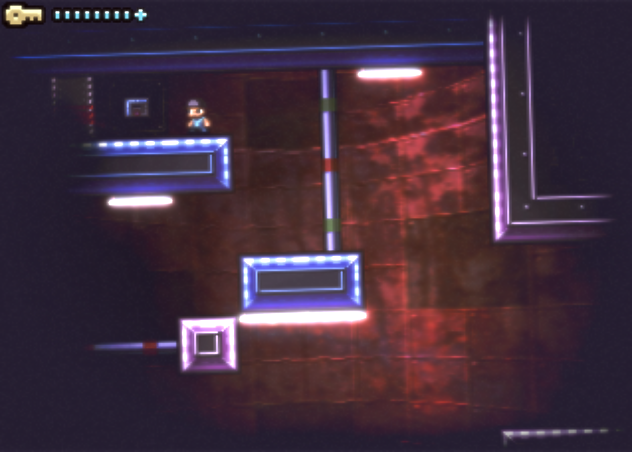
Wake gets its hooks into you with a simple, nasty pressure: the ship is going down, the water never stops rising, and there is no enemy to punch your way past. That absence of combat gives every run, jump, swim, and wrong turn a different kind of tension. You are trying to outthink a flooding space rather than overpower it, which makes the first stretch feel more like an escape room that has started filling with water.
Exploration has real teeth because useful objects double as access tools. Keys open metal doors, while an axe lets you break through wooden ones, so searching rooms is tied directly to making progress rather than merely collecting junk. Adrenaline adds a welcome burst of speed and jumping ability when a route demands more from you. The game also encourages you to hunt down its other scattered rewards, giving the ship reasons to poke around even when haste is the main concern.
Fire and turrets make the route-planning more complicated without turning Wake into a shooter. You can survive some contact with fire or turret fire, but taking too much damage leaves you fainted and at the mercy of the incoming water. Fixed turrets can be planned around; tracking ones sound far more nerve-racking. Power cuts add another good wrinkle, shutting down lights and turrets alike, then forcing a choice between temporary wide-area light from flares and the smaller but permanent beam of a torch. Frustration is likely when oxygen, hazards, and navigation all collide, but that same pressure is the point.
Graphics
Wake uses a 2D side-view format suited to its maze-like ship escape. Darkness becomes a tangible part of what you see during power cuts: a flare briefly lights the area around you, while a torch keeps a smaller area visible. That contrast should make dark routes feel markedly more dangerous than lit ones.
Story
The story is stripped to the emergency: an engineer must escape a sinking ship before drowning. Wake does not need a complicated setup to explain why you are climbing, swimming, unlocking doors, and gambling on unfamiliar routes. The flood is both the premise and the clock.
That economy works in the game’s favor. Instead of pausing the escape for a combat campaign or a sprawling cast, the situation stays focused on one immediate question: can you get out before the ship claims you? Every new locked door or hazardous passage naturally feels like another obstruction in that escape.
Do not come to Wake expecting a character-heavy adventure. Its narrative payoff is the feeling of getting yourself through a disaster, and its strongest storytelling tool is the steadily worsening condition of the ship around you.
Overall Experience
Wake is a good fit if you enjoy platformers built around pressure, navigation, and problem-solving rather than fighting. The rising water is more than a fail state; it turns ordinary exploration into a sequence of decisions made under a tightening deadline. When you find the item or route that gets you moving again, that relief should be the game’s chief reward.
Its limits are also clear. There is only one way to die—drowning—and getting overwhelmed by fire or turrets ultimately feeds back into that same threat. If you need combat, elaborate story scenes, or a relaxed pace, Wake’s single-minded escape structure may feel narrow. But the focused design has value: every obstacle serves the central panic of a ship becoming less survivable by the minute.
For the right mood, Wake sounds compellingly mean in a purposeful way. Give it a chance if the idea of mapping a doomed vessel, scavenging the tools to open its routes, and staying composed as the water rises sounds more exciting than exhausting. The payoff is not triumph over an army; it is the hard-earned satisfaction of finding a way out.



Reviews
There are no reviews yet.