 Retro Replay Retro Gaming History, Reviews & Emulation


Retro Replay Review
Gameplay
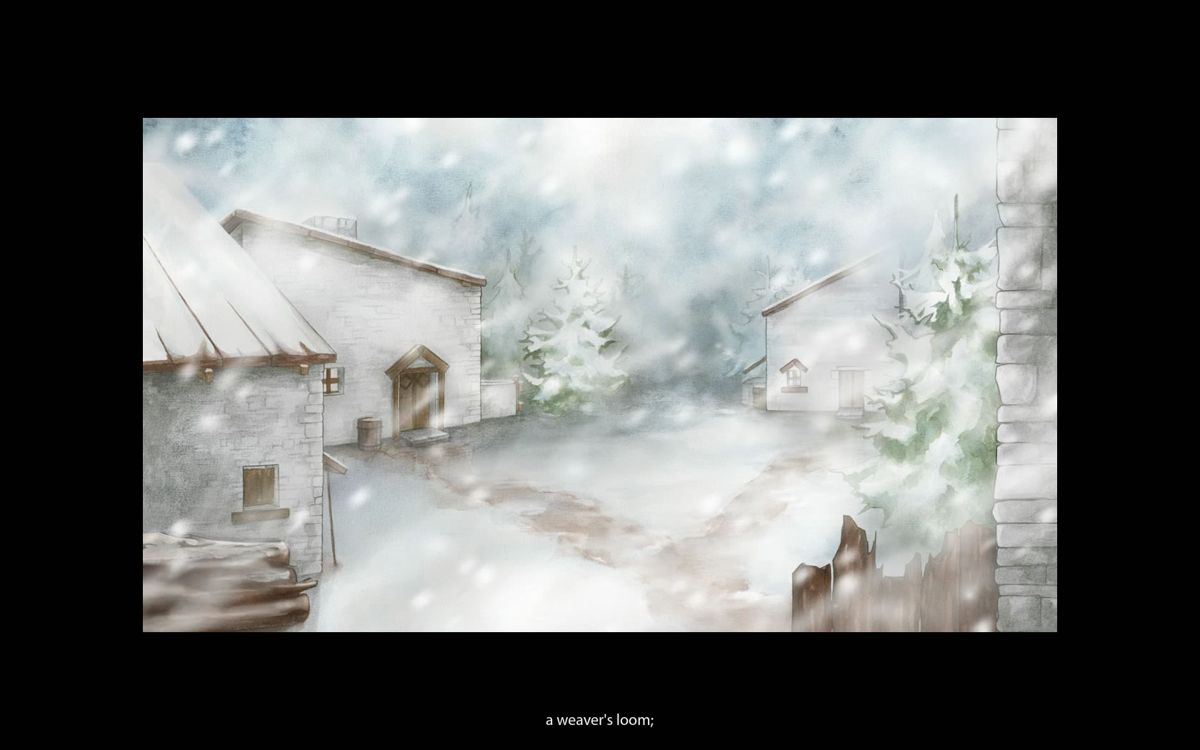
Avalanche earns attention by refusing the usual RPG comfort food. You are not rummaging through chests, collecting swords, or building a party around damage numbers. You walk around a technology-free snowy village, speak with its residents, make dialogue choices, and gain experience from events. The game’s central move is to turn emotional overwhelm into turn-based encounters, which means its battles feel like interruptions of grief rather than separate action scenes.
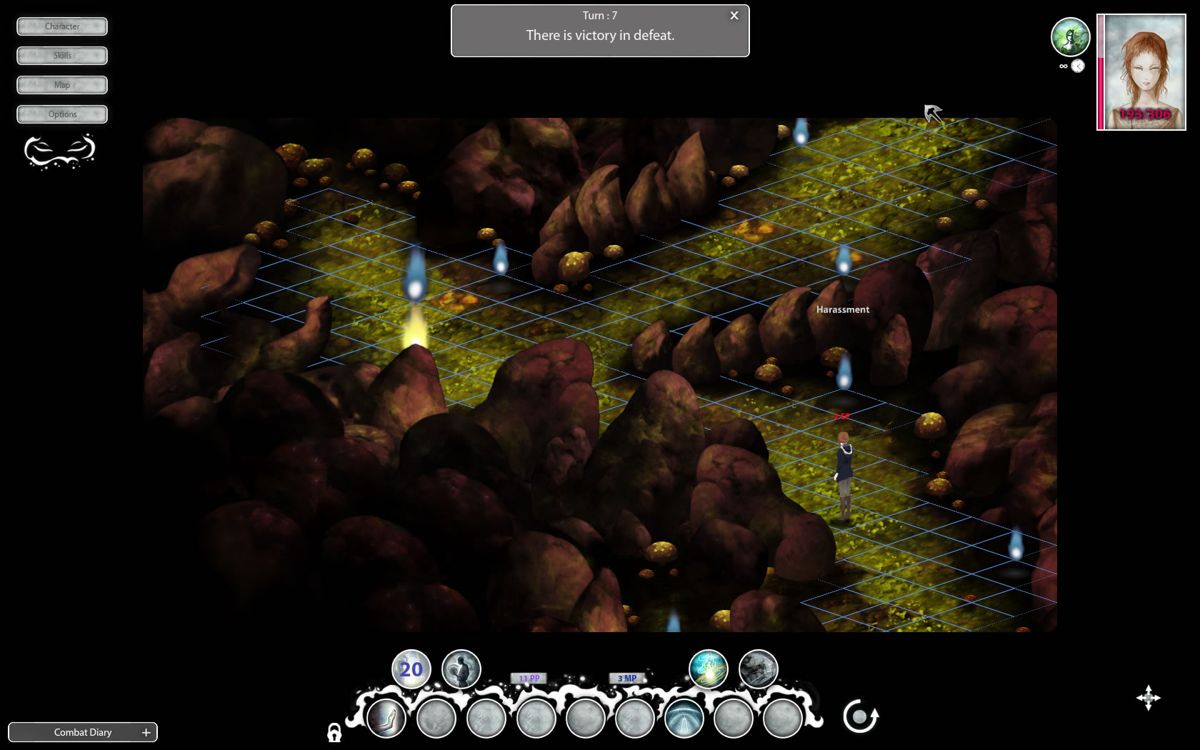
That concept lands best once you stop treating every encounter as something to kill. Many opponents are abstract emotions, and they often cannot be attacked directly. Instead, you may need to hold out for a number of turns or get away. Skills push threats back, reduce incoming damage, stun them, or otherwise buy breathing room; summoned creatures contribute to defense by draining or shoving enemies away. It makes positioning on the grid matter, and the need to manage energy, movement, and psyche points gives each turn a cautious, defensive rhythm.
The problem is that this is also where Avalanche can become frustrating. Traditional tactical instincts do not always help when the objective is endurance rather than conquest, and an encounter with a shape called Terror or Regret can feel cryptic before you understand how much space and time are the real resources. The fact that not every battle must be won softens the pressure, but it also underlines how deliberately the game rejects the satisfying finality of wiping out a map.
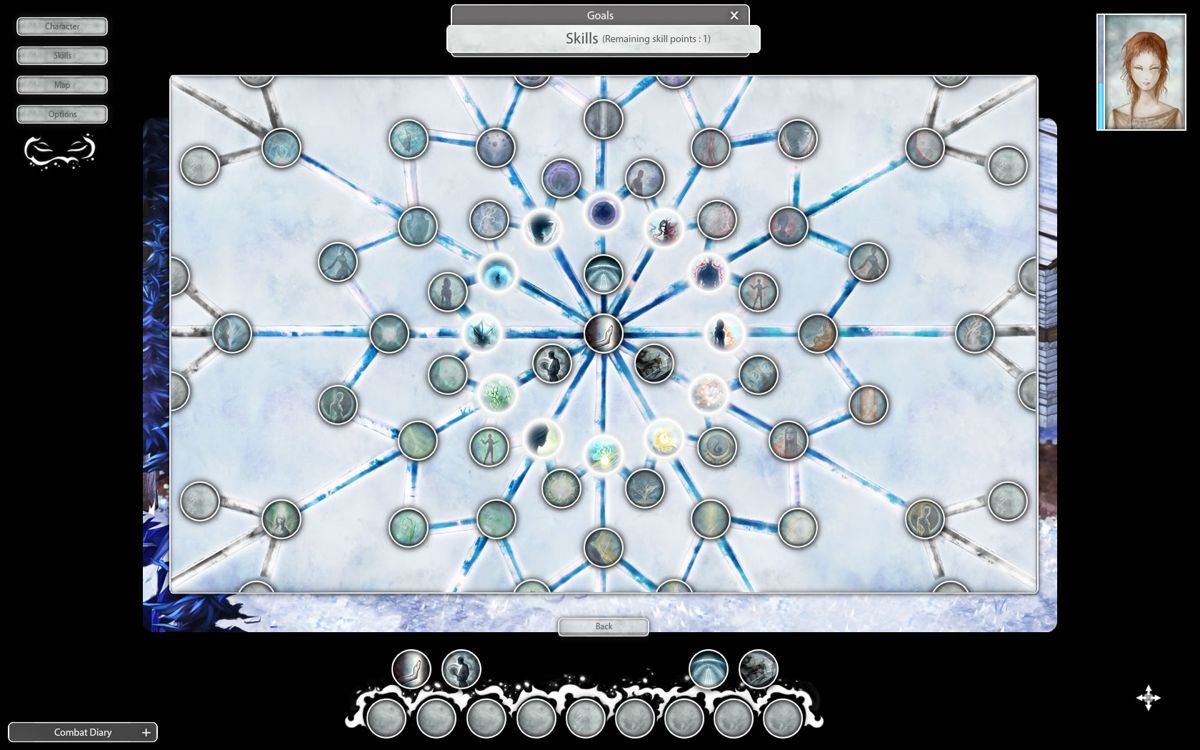
Character building has more personality than the three starting classes—huntress, weaver, and volva—initially suggest. Each level lets you choose skills from a snowflake-shaped tree and improve attributes such as will power, memory, charisma, intuition, humor, and perspicacity. Naming abilities things like resignation, rebound, emptiness, betrayal, and consolation is not just decorative. Your choices make the heroine’s development feel like a response to what she is carrying, which is much more compelling than a standard spell list.
Graphics
The strongest images are simple ones: a young woman moving through a snow-covered village after her father’s death, then facing abstract emotional forms on grid-based battle screens. The contrast between the grounded village and the fantasy dream world of The Seid fits the story’s movement between daily mourning and inner turmoil.
Story
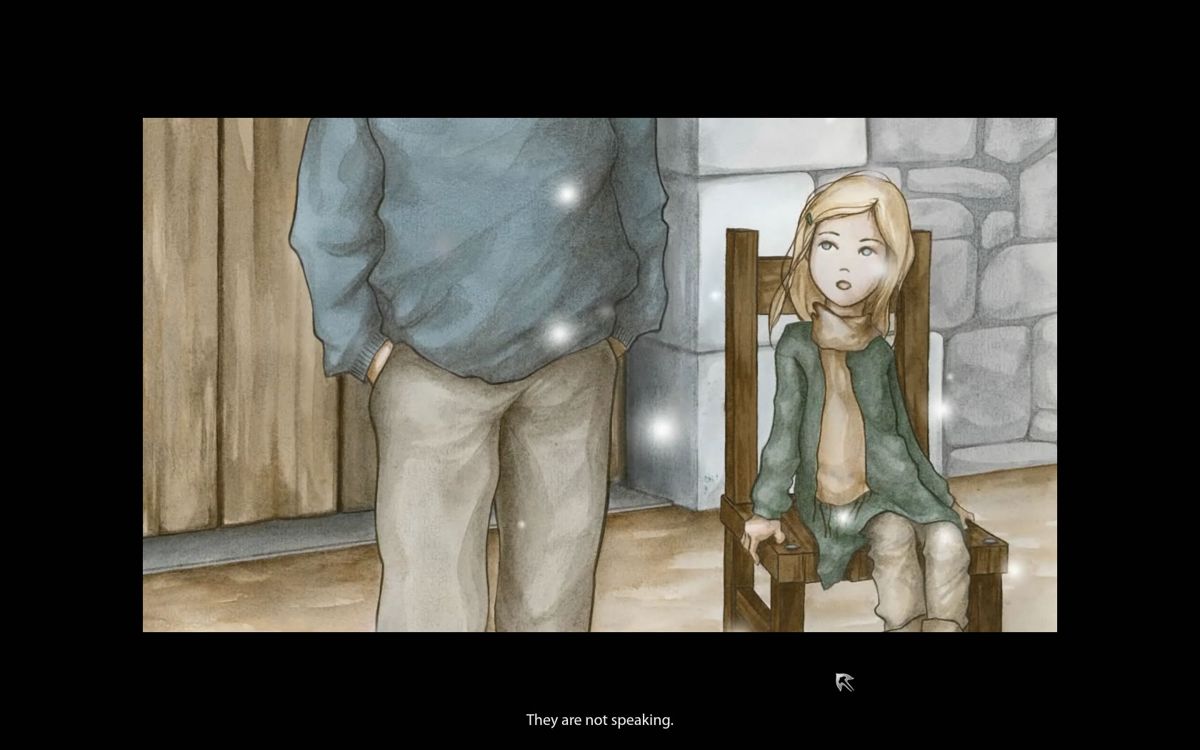
This prologue understands that bereavement can make ordinary conversations feel like investigations. After handling her father’s cremation, the heroine speaks with villagers, tries to live with her loss, and searches for more of his history. That is a modest setup, but it gives every dialogue choice a reason to exist beyond merely selecting the next quest.
Avalanche’s most interesting narrative decision is to make emotion the subject of play rather than a cutscene reward. Memories and feelings become conflicts, while the skills you select suggest different ways of meeting them: retreating into resignation, finding consolation, refusing to be affected, or pushing back. The game does not promise a clean heroic answer to loss, and it is stronger for that.
As an opening episode, it leaves you with a deliberately unresolved emotional journey. That can feel slight if you want a self-contained adventure, yet the focused scope works as an introduction to a larger story. You come away more interested in the heroine’s interior life and her father’s hidden past than in any grand fantasy threat.
Overall Experience
Winter Voices: Avalanche is admirable because it tries to make an RPG about vulnerability without reducing vulnerability to a stat debuff. Its village conversations, grief-centered premise, and defensive tactical battles all point in the same direction. Few role-playing games are willing to make escape, endurance, and emotional self-protection feel like valid forms of progress.
That same commitment makes it a demanding fit. If you need crisp combat objectives, frequent rewards, and the pleasure of overpowering enemies, its encounters may feel slow and resistant. The abstract foes are thematically apt, but theme does not automatically make every tactical problem immediately satisfying.
Give Avalanche a chance if you enjoy offbeat, introspective RPGs and can meet it on its own terms. Treat the first battles as lessons in survival rather than tests of aggression, and the systems start to make more sense. The payoff is not a rush of victory; it is the rare feeling that a game’s rules and its grief story are genuinely talking to each other.


Reviews
There are no reviews yet.