 Retro Replay Retro Gaming History, Reviews & Emulation

Retro Replay Review
Gameplay
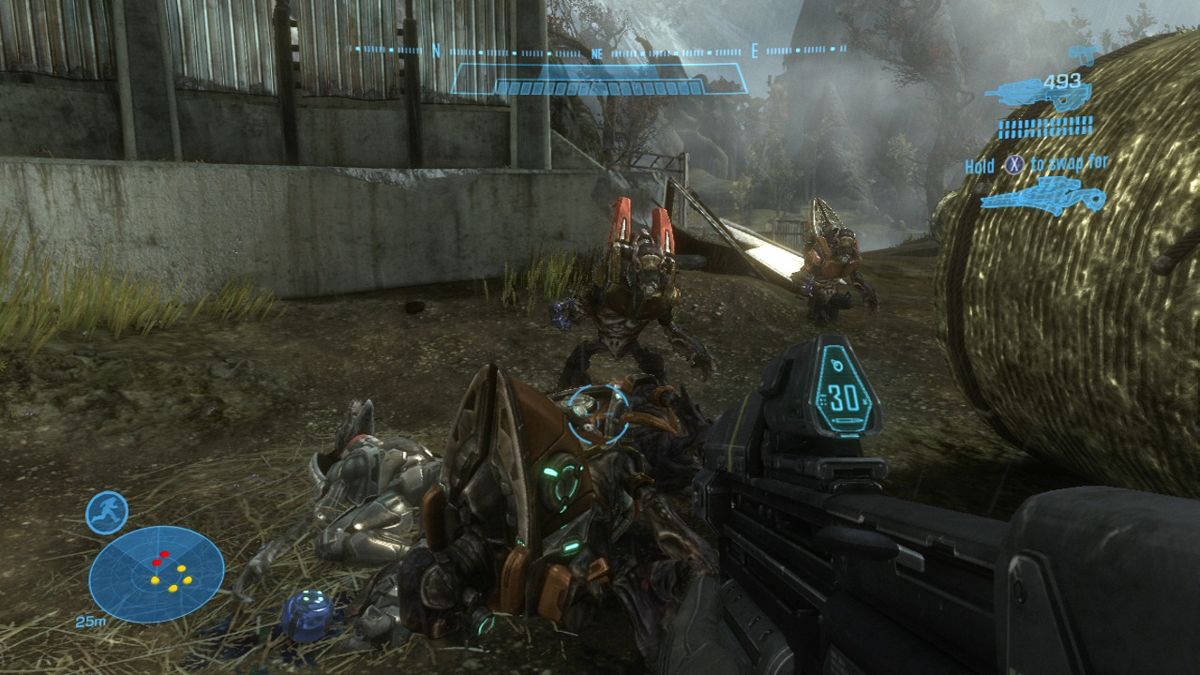
Halo: Reach starts from a strong place: you are immediately part of a desperate defense rather than an untouchable hero’s victory lap. Playing as Noble Six means pushing back Covenant forces while the larger situation worsens, and that pressure gives the first-person combat a sharper edge. It is still direct, energetic Halo shooting, but the war around you makes simply holding ground feel worthwhile.
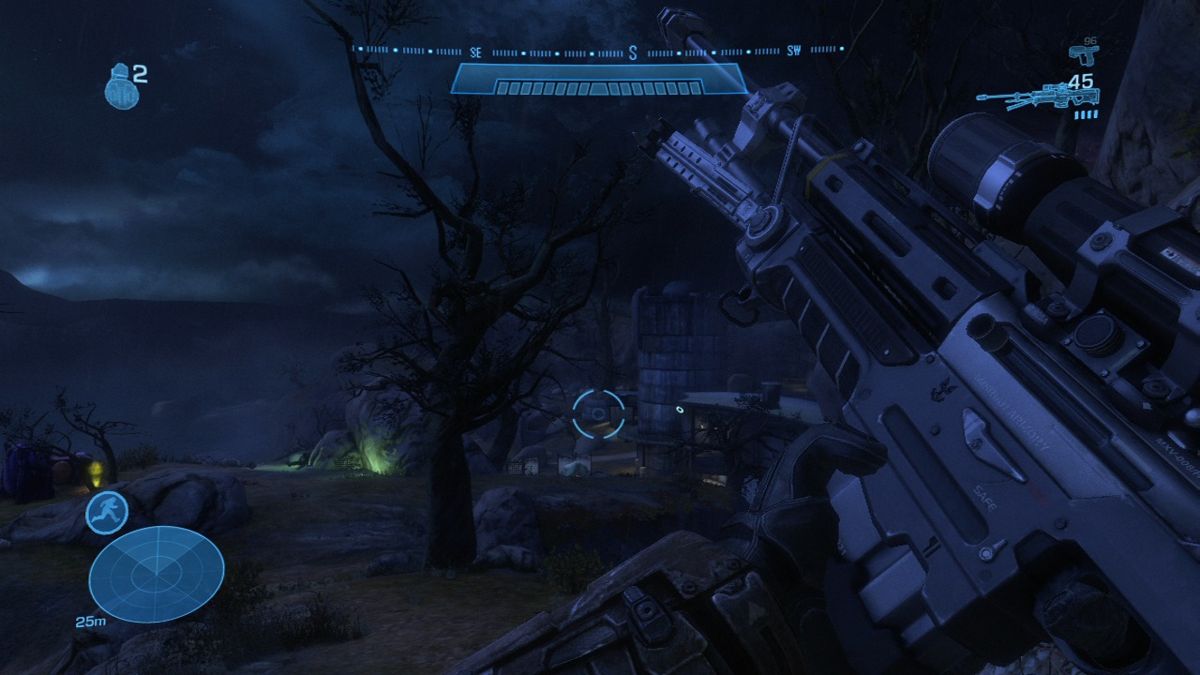
The reusable tech abilities are Reach’s most useful twist. A jet pack, active camouflage, or decoy hologram can change how you approach a fight, and the fact that these tools are reusable makes them more than a one-off novelty. They invite experimentation without asking you to abandon the straightforward gunplay that brought you here. If you enjoy finding a small tactical angle inside a hectic shooter encounter, Reach has more room for that than its premise might suggest.
Multiplayer is equally willing to build on familiar foundations instead of discarding them. Slayer and King of the Hill return, but the new modes give matches distinct objectives: Headhunter turns dropped skulls into scoring opportunities, Stockpile asks teams to collect and hold flags, and Generator Defense creates a focused three-Spartan-versus-Elite contest. Invasion, with six Spartans defending against six Elites pursuing a navigational core, sounds especially suited to anyone who wants a match with a more defined battle line than a standard deathmatch.
Forge adds a practical long-term hook for groups that like making their own multiplayer spaces. Being able to choose armour when spawning also gives online play a little more personal ownership. Reach does not need to reinvent Halo’s competitive formula; it earns its place by offering enough new tools and modes to make returning feel justified.
Graphics
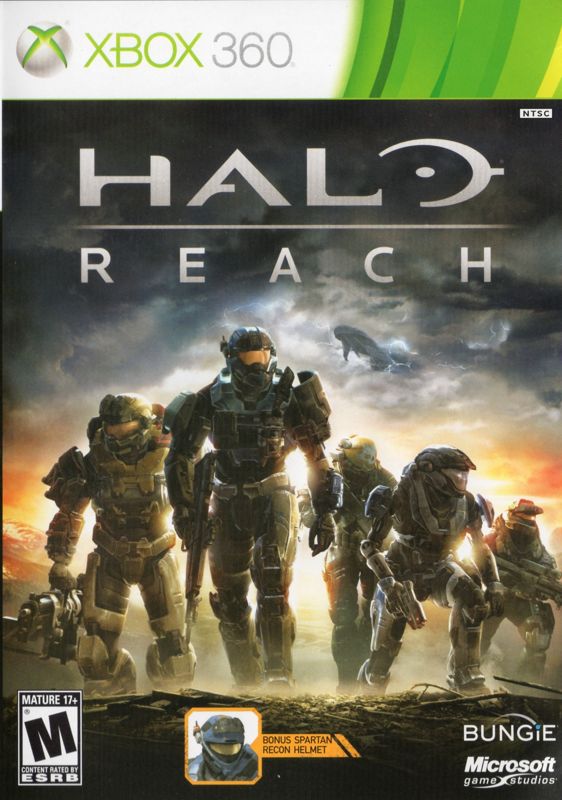
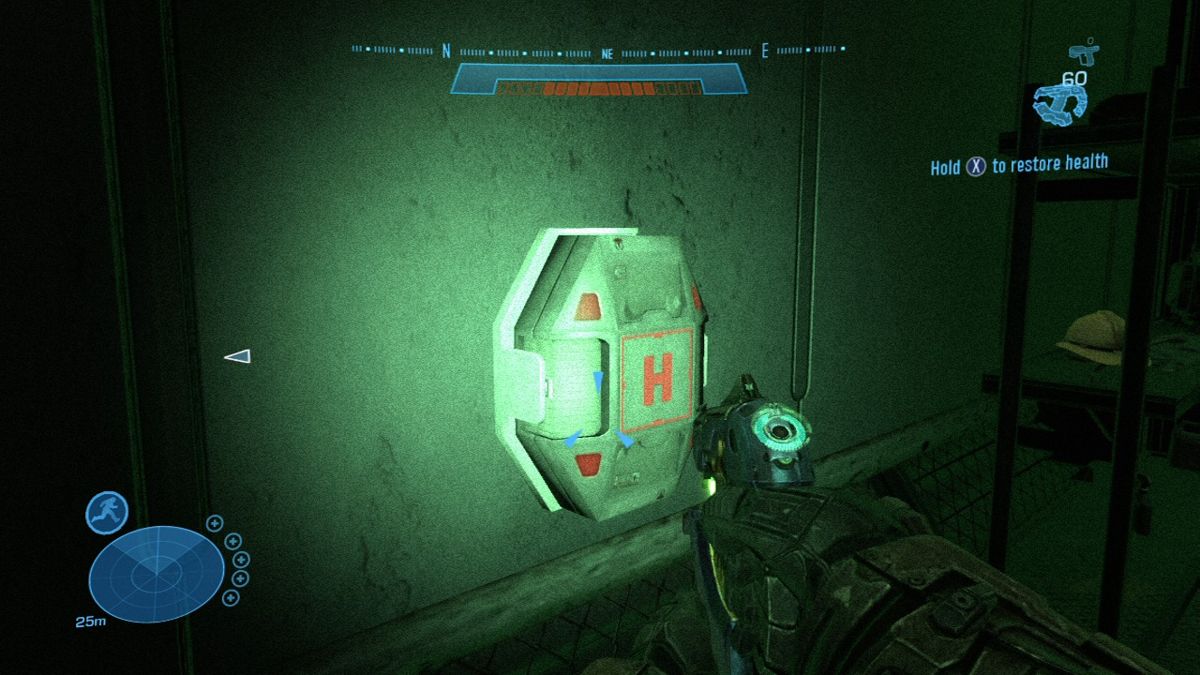
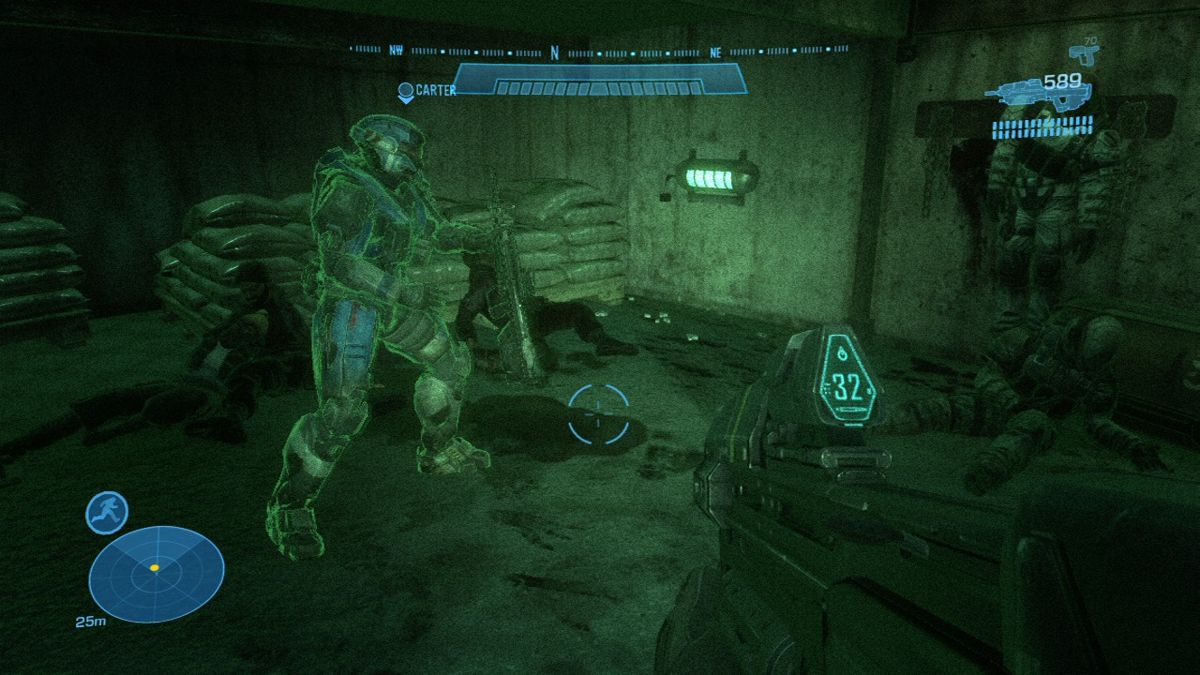
Reach puts its conflict front and centre: Spartan armour, Covenant enemies, and the embattled human stronghold of Reach are the images you spend your time around. Armour choice in multiplayer lets your Spartan look like your own rather than a completely fixed soldier, while the Covenant-versus-Spartan setup gives the multiplayer modes a clean visual divide.
Story
This is a prequel with a meaningful job to do. Reach takes place in 2552, during the events leading right up to Halo: Combat Evolved, and places you on the UNSC’s last major stronghold outside the Sol system. That connection makes the campaign immediately attractive if the first Halo’s opening has ever made you wonder what happened before it.
You are not watching the crisis from a command room. Noble Six joins Noble Squad as the Covenant’s full-scale offensive systematically takes over the planet, home to roughly 700 million civilians. The story’s strongest idea is its scale: a soldier can fend off attackers, but cannot single-handedly reverse an invasion of this magnitude.
That makes Reach a good fit for Halo fans who want more context for the series’ foundational conflict. Newcomers can also follow its central stakes easily—defend Reach against the Covenant—but veterans will get the most from knowing where the story is headed. The prequel status is not just trivia; it gives the struggle a built-in weight.
Overall Experience
Halo: Reach is an excellent choice when you want Halo’s first-person combat with a more openly desperate wartime frame. The campaign’s fight to protect Reach has real forward momentum, and the reusable abilities give you a solid reason to vary your approach instead of treating every battle as the same exchange of fire.
Its biggest strength is breadth with purpose. The single-player story leads into Halo: Combat Evolved, while multiplayer offers both established staples and objective-driven alternatives that change how teams move and compete. You can spend an evening in Slayer, organize around flags in Stockpile, or take on the more asymmetrical pressure of Generator Defense and Invasion.
Forge and armour selection round out a package made for repeat play, especially if you have friends willing to create maps and test them together. Reach does not merely revisit an earlier point in Halo history; it gives that moment its own combat tools, its own multiplayer ideas, and a suitably high-stakes reason to care about the fight. If you want a polished, content-rich Halo entry with a grimly compelling setup, it is easy to recommend.


Reviews
There are no reviews yet.