 Retro Replay Retro Gaming History, Reviews & Emulation
Retro Replay Review
Gameplay
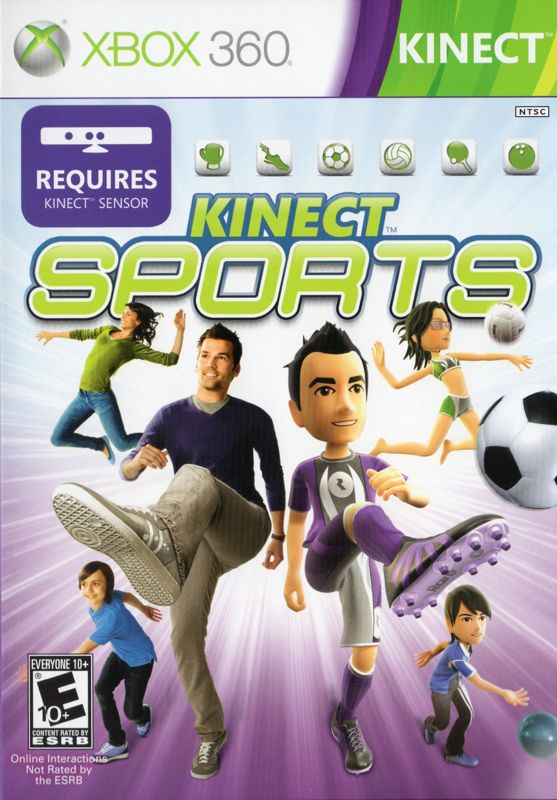
The first hour has an easy, contagious pull. You choose a sport, stand in front of Kinect, and your Xbox Avatar starts following your body instead of a button prompt. That directness matters. A bowling throw feels understandable before you know the finer points, and table tennis, beach volleyball, boxing, football, and track and field all begin with motions you already recognize.
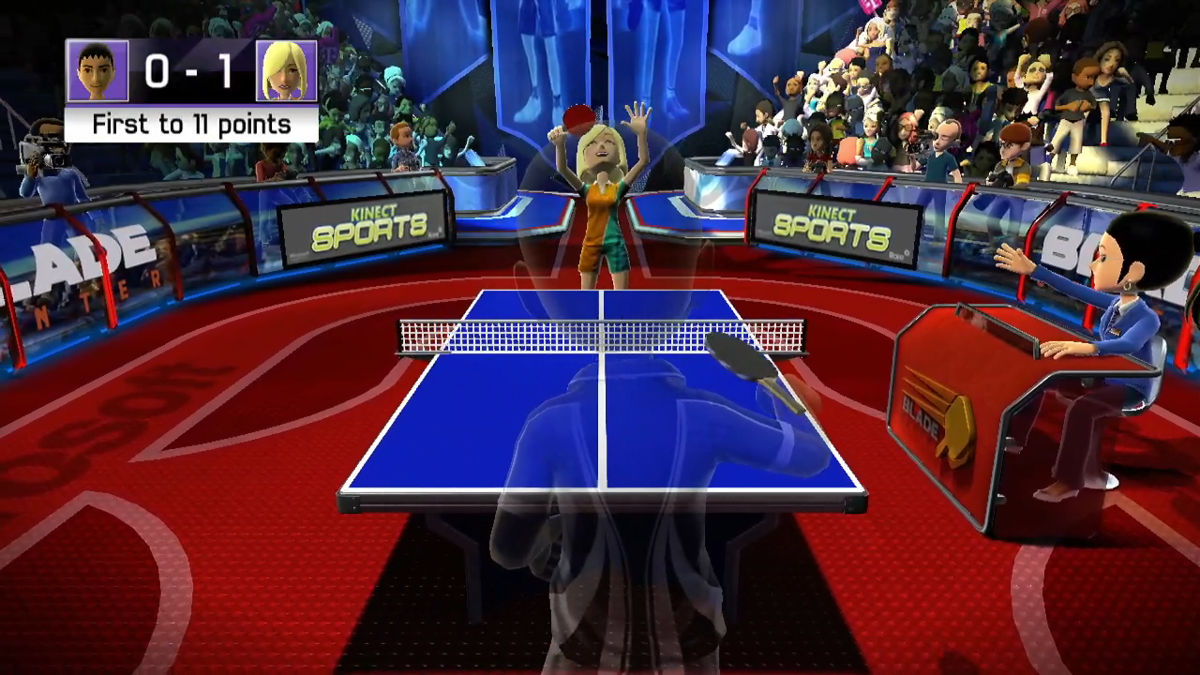
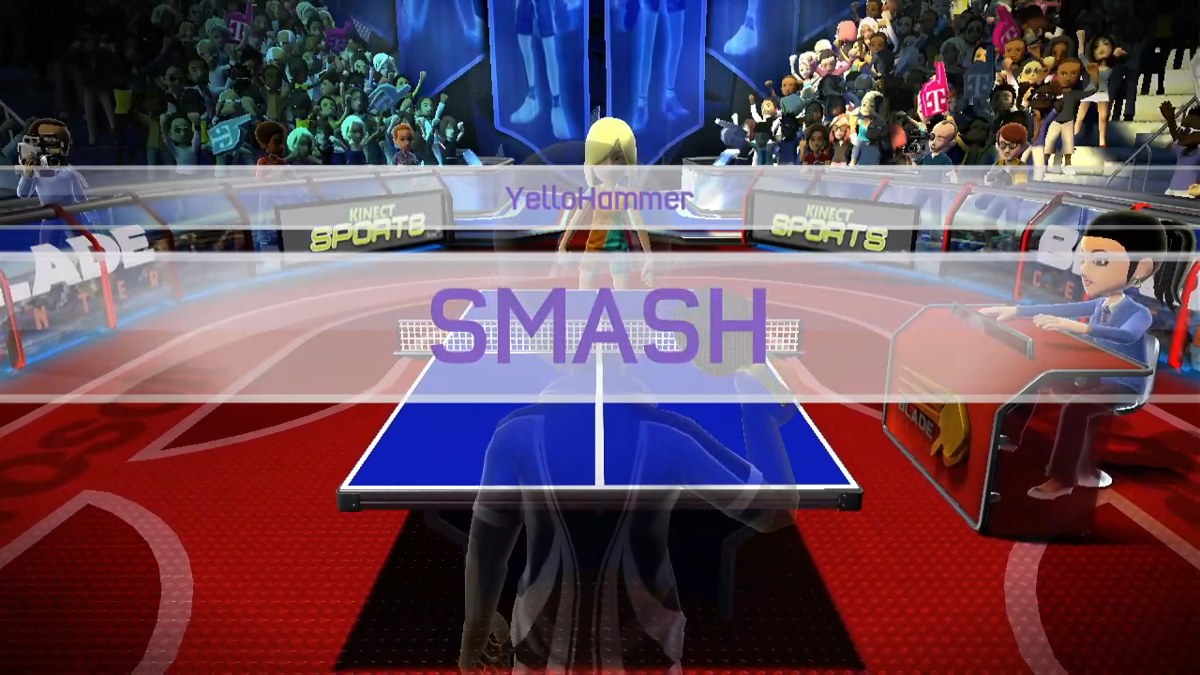
Bowling is one of the cleanest fits. You grab a ball with a hand movement, swing back and forward, then lean and step to add momentum; crossing your arm after release adds effect. Table tennis similarly has a satisfying basic rhythm, with shot direction and strength coming from your arm swing and extra spin available through the return motion. Beach volleyball asks more of you, since passing, jumping, smashing, blocking, and placing a light touch over the net all compete for attention, but it has more room for a coordinated rally than a one-gesture game.
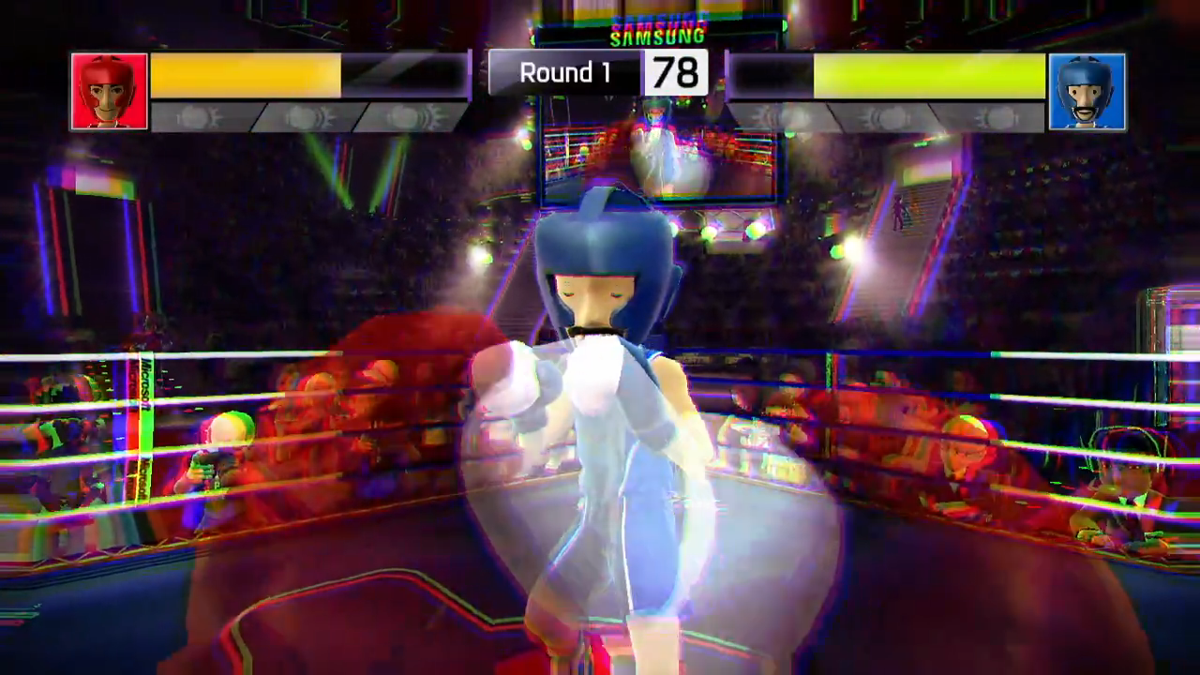
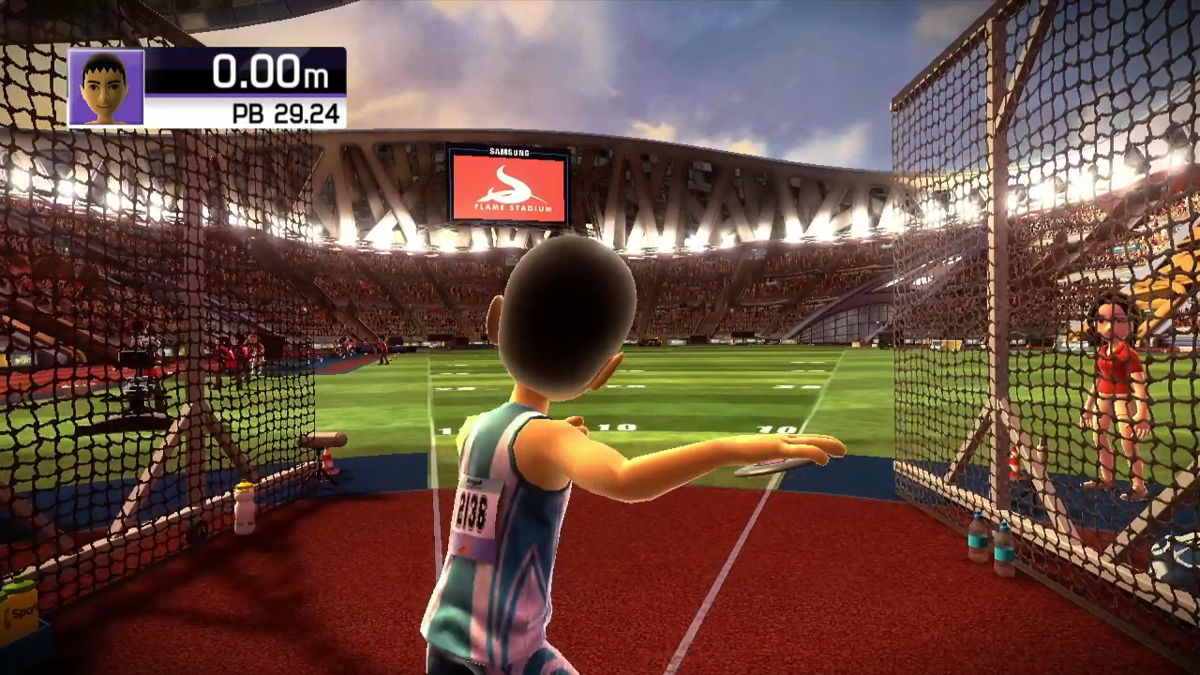
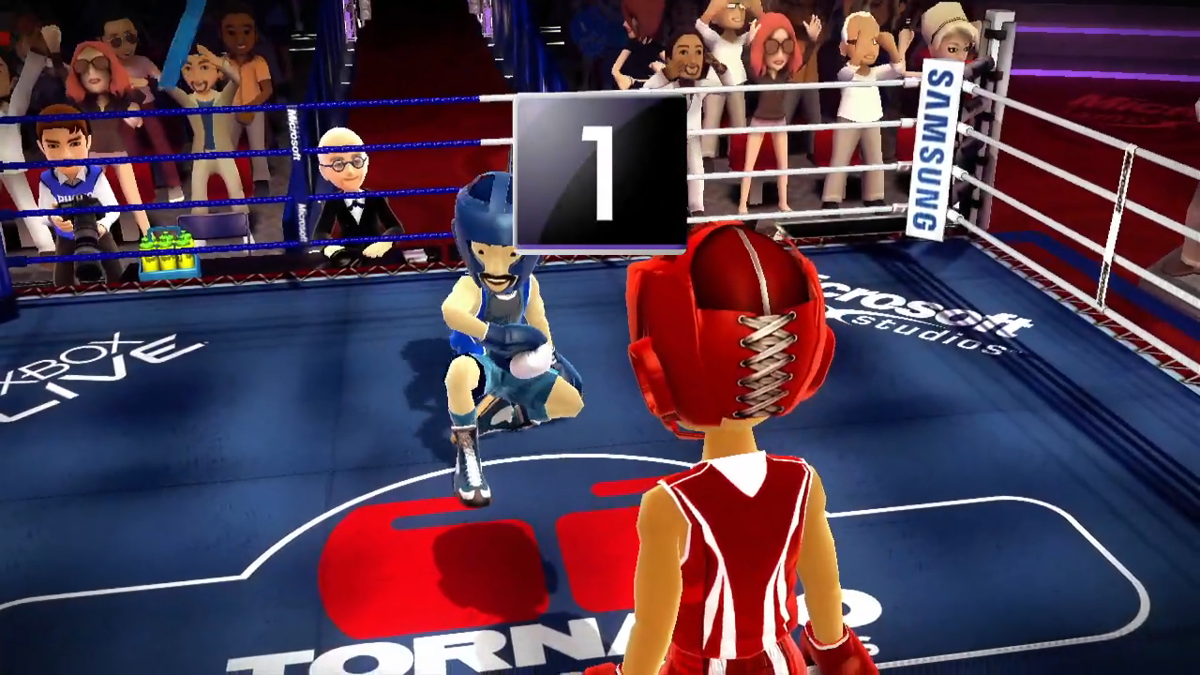
Boxing is the most physical event, shown from a see-through first-person view. High and low hits and blocks are recognized, punch strength matters, and flailing is deliberately punished when repeated blocks open you to a counter. Track and field goes all-in on imitation: sprinting and hurdles have you running in place, while javelin, discus, and long jump use their real-world motions. It is fun when you want to move, although it is also where a short session can become a workout.
Football is more guided than a full soccer game, concentrating on kicks toward shown passing options, interceptions, tackles, shooting, and goalkeeper saves rather than open movement. That makes it easier to read, but it also makes the sport feel narrower than its real counterpart. The cooperative local option helps, because teammates take turns when an action occurs instead of trying to crowd the same on-screen moment.
The mini-games are smart palate cleansers rather than filler. Bowling turns into pin-clearing survival and timed rack smashing; volleyball asks for returns with highlighted body parts; football shifts toward keeper saves and target shooting. Party Play is the real reason to keep the disc around: up to six people split into two teams across six rounds, choosing events from a wheel and rotating competitors. Fifteen-minute sessions are short enough that even reluctant guests can be talked into one.
Graphics
Your Xbox Avatars carry the action, translating big body movements into broad, easy-to-read sports poses. The boxing view puts you behind a transparent version of your fighter, while the other events keep the focus on seeing where the ball, pins, opponents, or targets are headed. It is a clean fit for a game where you are usually watching both the screen and the people in the room.
Story
Kinect Sports does not build a story around its events. Its structure is competition: pick a sport, take on AI or local and online opponents, and chase the result.
Single-player progression comes through experience earned in events. Accumulating it unlocks badges and Avatar items, giving repeat play a light reward loop without pretending these matches are part of a larger campaign.
The closest thing to a personal record is the highlight feature. Kinect can capture video moments from completed events, then show them back to you and let you share them locally or online. For a party game, a clip of a failed swing or an overcommitted boxing punch can be more memorable than the score.
Overall Experience
Kinect Sports understands that motion-controlled sports should be approachable before they are deep. Its strongest trick is making familiar activities legible through your own body: throw, swing, punch, kick, run. You do not need a long tutorial before the room understands what to do, which gives it a real advantage when friends are waiting for their turn.
That accessibility does not erase the rough edges of body tracking. Precision matters in games such as table tennis and volleyball, while track events demand space and willingness to perform the motions properly. Frustration can set in when you want a subtle movement to register exactly as intended, especially after the simple thrill of the first few successful shots wears off.
At 7.1, it lands in the right range: a good, lively Kinect collection rather than a definitive sports game. Give it a chance if you want a roomful of people taking turns, laughing at highlights, and getting a little exercise between rounds. Skip it if your priority is the tactical depth and reliable precision of a conventional controller sports game.


Reviews
There are no reviews yet.