 Retro Replay Retro Gaming History, Reviews & Emulation
When Nintendo Took Blockbuster to Court
The Battle Over Rentals
In the late 1980s Nintendo ruled the living room. The NES was in millions of homes, and kids flocked to local rental shops like Blockbuster to grab the latest cartridges for a weekend of gaming. But while game rentals exploded in popularity, Nintendo was far less enthusiastic. They worried that renting would cut into cartridge sales, since players could beat a game over a weekend without ever buying it. The legal tension simmered until 1989, when Nintendo made a surprising move, they sued Blockbuster.
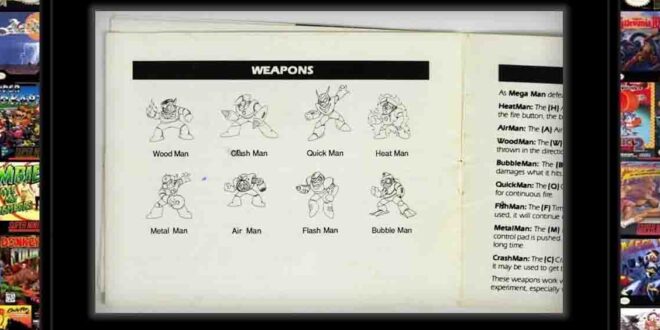
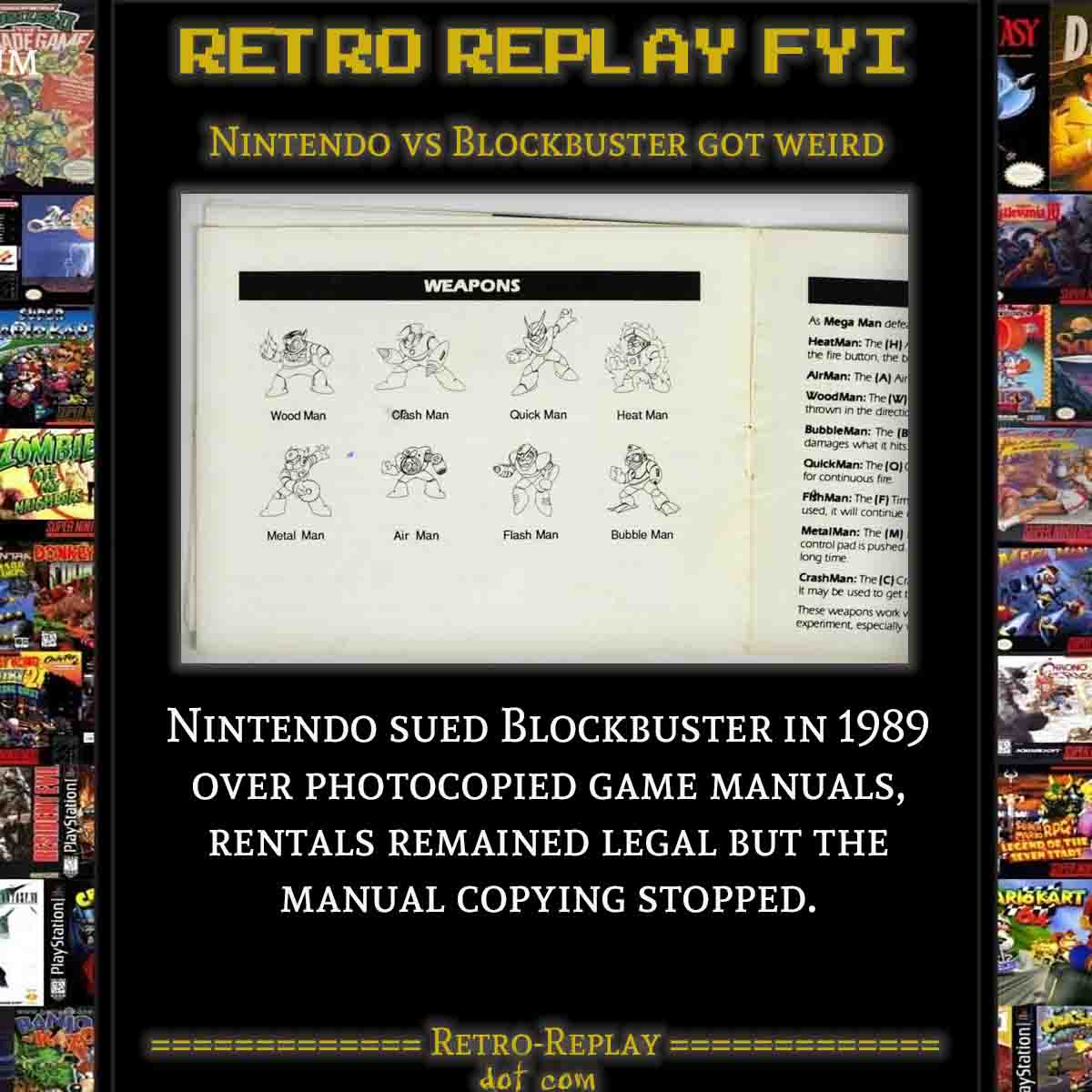
Nintendo did not sue to ban rentals outright. Instead, they attacked a specific practice: Blockbuster was photocopying instruction manuals and slipping those paper copies into rental boxes after the originals were lost or destroyed. Nintendo argued this was a violation of copyright law and took them to court. (Wikipedia)
The move drew attention because it highlighted how unprepared the video game industry was for the booming rental market. Just as VHS rentals had changed movies, the ability to rent NES games was reshaping how kids and parents consumed entertainment.
Why Manuals Mattered
At first glance it sounds absurd, a billion dollar company dragging a video rental chain into court over a few lost booklets. But in the late 80s Nintendo treated its manuals like sacred scrolls. They were stuffed with artwork, backstory, and sometimes the only explanation for mechanics the game itself never bothered to teach.
So when Blockbuster filled in the gaps with photocopies, Nintendo lost its mind. The glossy color booklets became grainy black and white packets, often crookedly stapled, and this was apparently too much for the house of Mario to bear. For Nintendo it was not just paper, it was brand purity, and they were determined to keep it pristine at all costs.
Blockbuster meanwhile shrugged and said, “Look, hundreds of kids beat up these games every week, the manuals vanish, we just need something to keep them playable.” To the video rental giant it was a practical solution. To Nintendo it was an unforgivable crime against corporate control.
The Outcome and Legacy
The lawsuit ended with Blockbuster agreeing to knock it off with the photocopies, but crucially, game rentals themselves remained perfectly legal. The stores thrived through the 1990s, and millions of kids discovered new favorites one weekend rental at a time.
Nintendo might have wanted to micromanage the smell of the ink in your instruction booklet, but Blockbuster kept doing what it did best, putting games into living rooms at scale. For a generation of fans that meant being able to play far more titles than their allowance would ever buy.
Today the case is remembered as one of those weird little power struggles that only Nintendo could have picked. Blockbuster just wanted to keep the carts circulating, Nintendo wanted absolute control down to the staples in a manual, and the clash became a quirky slice of retro gaming history.