 Retro Replay Retro Replay gaming reviews, news, emulation, geek stuff and more!
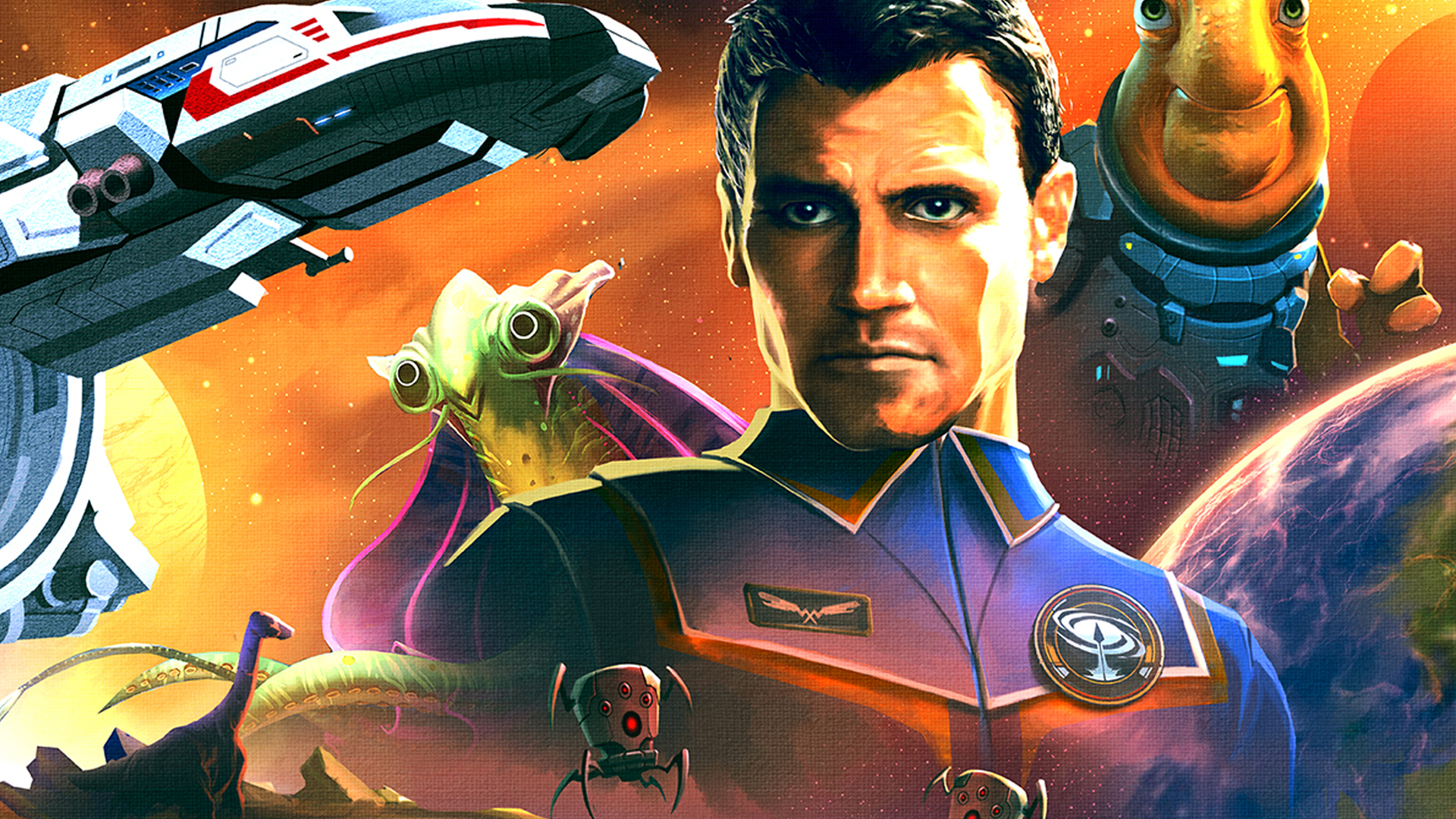
The Architects and the First War
Few stories are as beloved, as strange, and as fiercely protected as that of Star Control. It’s a tale that begins with two brilliant, complementary minds, explodes into one of the most revered sci-fi epics of all time, and culminates three decades later in a landmark legal battle settled, bizarrely, by a shared love of bees.
(HEY YOU!! We hope you enjoy! We try not to run ads. So basically, this is a very expensive hobby running this site. Please consider joining us for updates, forums, and more. Network w/ us to make some cash or friends while retro gaming, and you can win some free retro games for posting. Okay, carry on 👍)
This is the story of Star Control and its magnum opus, Star Control II. But to understand the grand space opera, we must first understand the architects who built the stage and the tactical masterpiece that was their first act.

The Architects: Toys for Bob
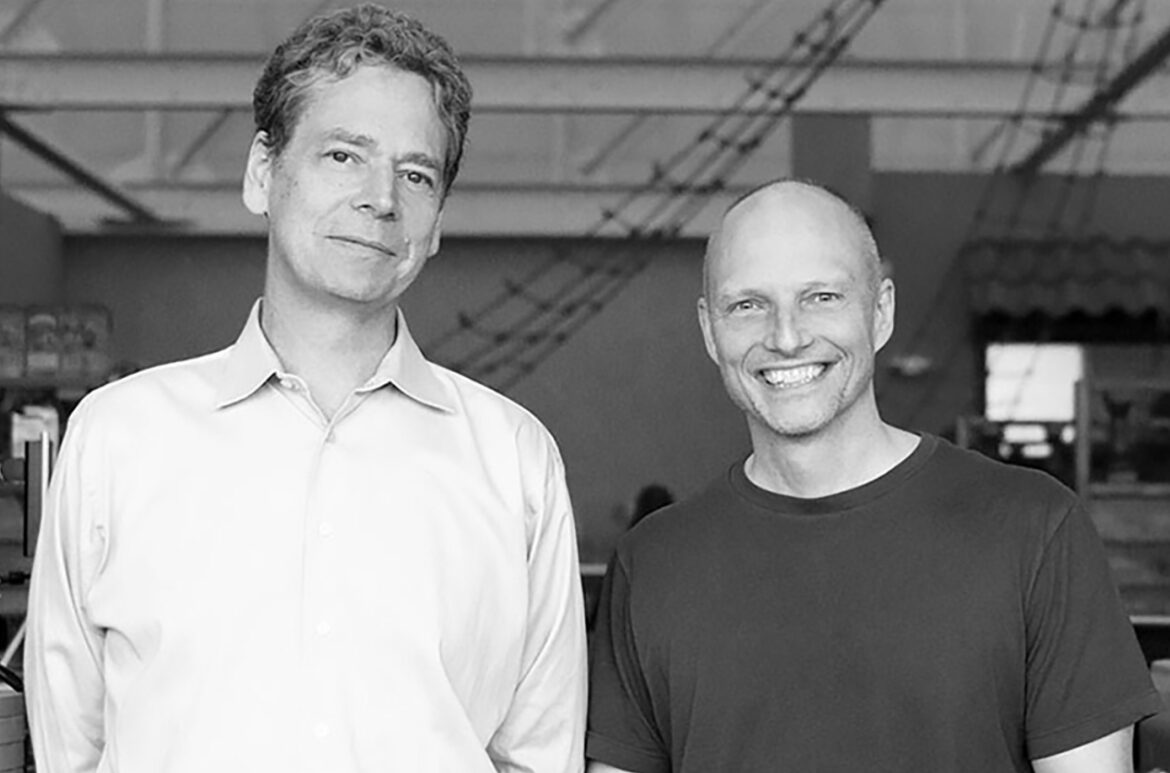
Before Star Control existed, there was no Toys for Bob, Inc. There were just two guys, operating in different circles, who were a perfect match: Paul Reiche III and Fred Ford. They were the classic designer-and-programmer duo that defined 80s and 90s game development, a partnership of wildly creative ideas and the technical genius to make them a reality.
The World-Builder: Paul Reiche III
Paul Reiche III was the idea man, the artist, the writer, and the world-builder. His mind was steeped in fantasy, science fiction, and the intricate rule systems of tabletop gaming. His career didn’t begin with pixels, but with paper, dice, and a heavy dose of imagination.
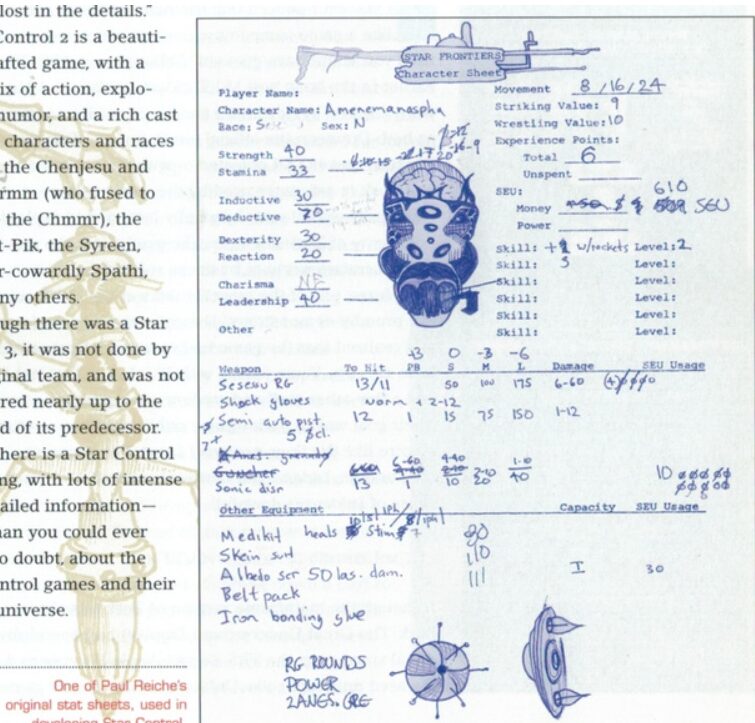
Long before Toys for Bob, Reiche was a core contributor at TSR, Inc., the legendary publisher of Dungeons & Dragons. He was a childhood friend of Erol Otus, an artist whose psychedelic, bizarre, and slightly grotesque style would come to define the look of early D&D (Source: EN World). This friendship was Reiche’s gateway.
At TSR, Reiche’s design credits became legendary. He wasn’t just a minor contributor; he was the developer for foundational modules like The Ghost Tower of Inverness and the seminal “Slave Lords” series (Slave Pits of the Undercity and Assault on the Aerie of the Slave Lords) (Source: Wikipedia). He even invented the iconic Thri-kreen, the four-armed mantis-warrior race that remains a D&D staple to this day. His work was characterized by a blend of high fantasy, quirky humor, and a knack for creating memorable, non-standard encounters.
After TSR, Reiche co-founded Free Fall Associates and transitioned to video games, where he designed the Electronic Arts classics Archon: The Light and the Dark and Mail Order Monsters. Archon, in particular, is the direct genetic ancestor of Star Control. It was a “chess-meets-action” game where two players moved fantasy pieces on a strategic board, but when one piece landed on another, the game zoomed into a real-time combat arena where the two creatures fought it out.
Sound familiar?
The Engineer: Fred Ford
Fred Ford was the technical wizard. If Reiche dreamed up a four-armed mantis warrior, Ford was the one who could make all four arms move independently without the computer catching fire.
Ford’s early career is a fascinating snapshot of a self-taught programmer in the industry’s wild west era. Before meeting Reiche, he worked for a company called Unison World. In a 2009 interview, Ford revealed the sheer obscurity of his first projects. He developed games for “some sort of Japanese monochrome handheld with a screen about 1cm by 4cm (maybe 16 pixels by 64 pixels).” On this comically tiny screen, he built a bowling game, a first-person biplane game, and a tank combat game (Source: Hardcore Gaming 101 Blog).
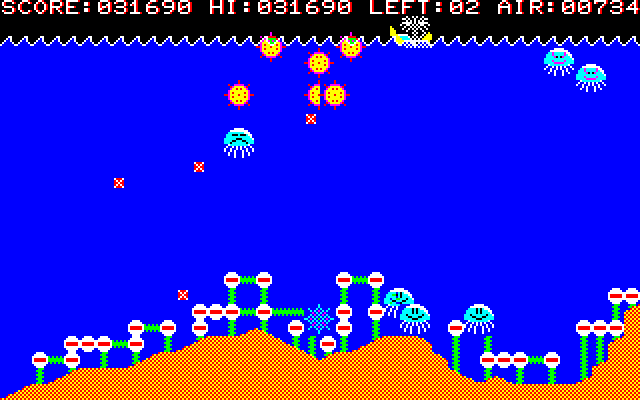
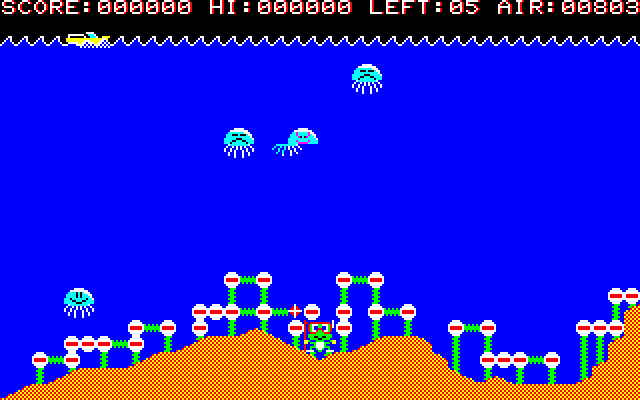
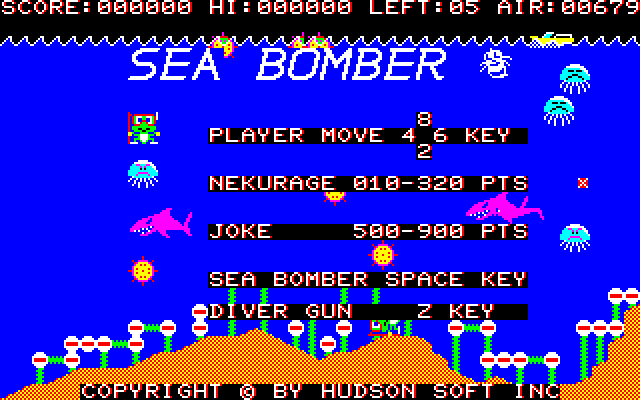
He later moved on to more powerful (but still obscure) Japanese PCs like the NEC and MSX, creating titles like Pillbox and Sea Bomber. After this, he spent six years in the “corporate wilderness” doing more traditional Silicon Valley graphics programming. But he missed the creative spark of the game industry.
-

- Sea Bomber Screenshot
-
- Sea Bomber Screenshot
-
- Sea Bomber Screenshot
The Fateful Meeting
By 1989, Reiche had a three-game deal with publisher Accolade, Inc., but he needed a programmer. Ford was looking to get back into games and needed a designer. Their mutual friends, including Starflight designer Greg Johnson (a name that will become massively important later) and artist Erol Otus, set them up.
They formed Toys for Bob, Inc., a name that was intentionally whimsical and un-corporate. Their first task: to take Reiche’s Archon concept, blast it into space, and create a new kind of strategy-action hybrid.
The First War: Star Control (1990)
The original Star Control: Famous Battles of the Ur-Quan Conflict, Volume IV (1990) was not the sprawling adventure game its sequel would become. It was a brilliant, focused, and ruthlessly fun two-player tactical masterpiece.
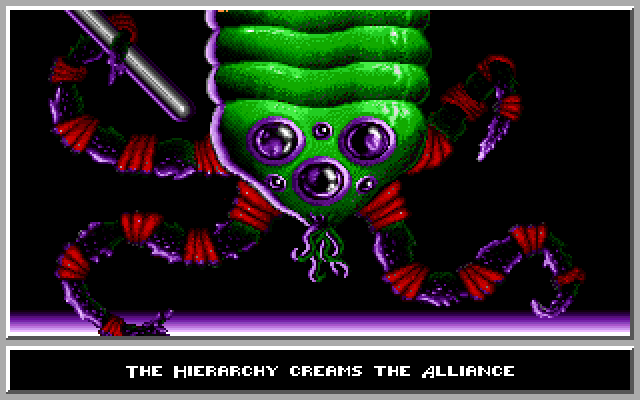
The premise was simple: a brutal, ancient race of slavers, the Ur-Quan, had formed the Hierarchy of Battle Thralls and were systematically conquering the galaxy. In their way stood the Alliance of Free Stars. You picked a side and fought for control of a star cluster.
The game was split into two distinct modes: the strategic Star Map and the real-time Melee.

The Strategy: A Cosmic Chessboard
The Star Map was a turn-based strategic layer. Players would move their ships (represented by icons) from star to star. You could colonize “life worlds” to build more ships, establish starbases for defense, and mine “mineral worlds” for resources (Starbucks) to fund your war effort (Source: Star Control Manual).
The goal was to corner and destroy your opponent’s fleet and fortified starbase. While simple, the strategy had depth. Do you expand quickly to grab resources or build a defensive “turtle” position? Do you send a fast, lone ship on a flanking maneuver or move in an unstoppable doom-stack?
It was all a prelude to the game’s true heart: the Melee.
The Melee: The Soul of the Game
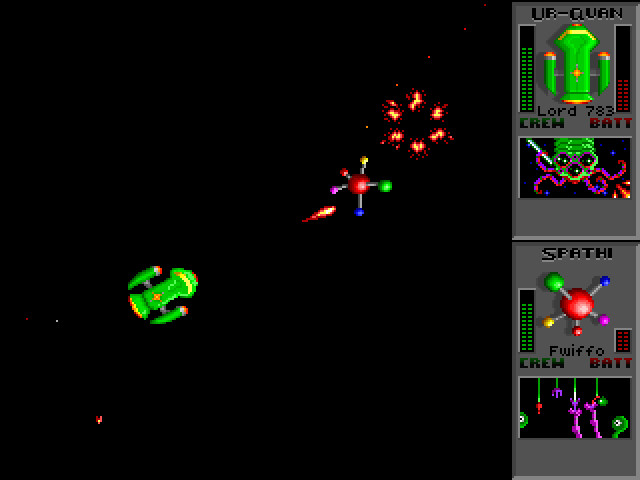
When two opposing ships met on the map, the game instantly zoomed into a top-down, real-time combat arena set against the gravity well of a nearby planet. This was Spacewar! (one of the earliest video games) evolved into an art form.
The genius of Star Control was its profound asymmetrical balance. Each of the 14 ships (7 per side) was not just statistically different; they played by entirely different rules. They had unique primary weapons and, crucially, a game-changing secondary ability. This made every matchup a unique tactical puzzle.
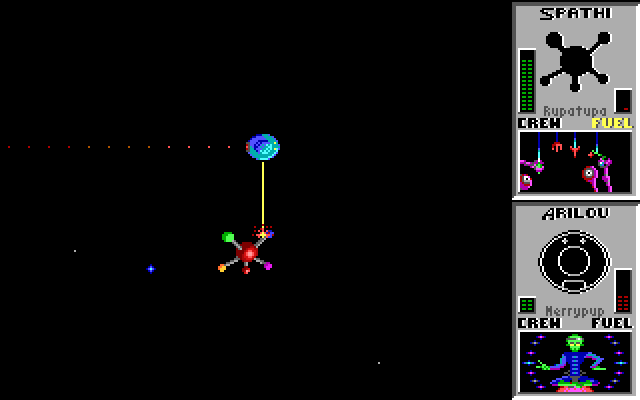


Let’s do a deep dive on the two fleets that started it all.
The Alliance of Free Stars
The Alliance was the “good guy” faction, a desperate coalition of diverse species fighting for their freedom.
- Earthling Cruiser: The jack-of-all-trades. Its primary weapon was a powerful, forward-firing nuke, but its secondary ability was a point-defense laser that could shoot down enemy projectiles. A versatile and dependable ship.
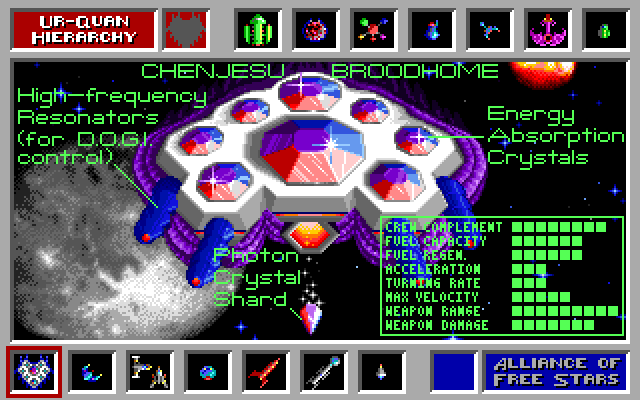
- Chenjesu Broodhome: A massive, slow, crystalline ship. It didn’t “fire” a weapon. It launched autonomous “DOGIs” (Deployable Offensive/Defensive Giga-Interceptors) that would seek out the enemy. Its special power released a massive cloud of high-speed fragments from a shattered crystal, a devastating close-range shotgun.
- Mmrnmhrm X-Form: A truly bizarre robotic ship. It started in a slow “X” configuration. Its special power was to “transform” into a fast, linear “I” configuration. Its weapon also changed, from slow plasma bolts (X-Form) to a rapid-fire laser (I-Form), forcing players to master two different ships in one.
- Arilou Lalee’lay “Skiff”: The classic “flying saucer.” It was incredibly fast and nimble. Its primary weapon was a weak, short-range auto-firing laser. But its special ability was a near-instantaneous, random-location teleporter, making it the most frustrating and unpredictable ship in the game.
- Syreen Penetrator: A large, elegant capital ship. Its main weapon was a “Syreen Song,” a cone-shaped projection that didn’t do damage but “lured” enemy crew to abandon their ship and join the Syreen, permanently weakening the enemy ship for that battle. Its special was a powerful, short-range electron blast.
- Shofixti “Scout”: A tiny, cheap, and fragile ship. Its gun was weak. But its special ability was its entire purpose: “Glory!” The Shofixti pilot would overload the ship’s fusion core and fly into the enemy, detonating in a massive explosion that could one-shot almost any ship in the Hierarchy. A perfect kamikaze ship.
- Yehat “Terminator”: A fast, bird-like fighter. It had a decent auto-aiming pulse cannon. Its true power was its secondary: an incredibly durable, forward-facing shield that could absorb massive amounts of damage, allowing it to “joust” with even the most powerful foes.
The Hierarchy of Battle Thralls
The “bad guy” faction, a collection of conquered, coerced, and downright evil species serving their Ur-Quan masters.
- Ur-Quan Dreadnought: The ultimate capital ship. Terrifyingly slow but heavily armed and armored. Its primary weapon was a powerful, long-range fusion blast. Its secondary was to launch autonomous, seeking “fighters” that would harass the enemy. A true boss-level ship.
- Ilwrath “Avenger”: A spider-like ship with a fast, forward-firing plasma weapon. Its special was to deploy a cloaking device, rendering it completely invisible to the player (but not the radar). This made it a terrifying hit-and-run assassin.
- Spathi “Eluder”: The coward’s ship. Its hull was paper-thin. Its primary weapon was a powerful, rapid-fire gun that… only fired out of its back. Its special was to drop a “BUTT” (Back-Up-Through-Time) mine. If the enemy hit the mine, they were briefly frozen in a time bubble. A ship built entirely around panicked fleeing.
- Androsynth “Guardian”: A ship with a unique “bubble” weapon that would drift forward and then burst. Its revolutionary special ability was to “synthesize” a comet, creating a small, indestructible asteroid that would then orbit the planet, adding another obstacle to the battlefield.
- VUX “Intruder”: A slow, ugly, and powerful ship. It fired a gigantic, slow-moving plasma orb that did immense damage. Its special was to launch a long-range, seeking “Giga-Mite” that would latch onto the enemy, drain its energy, and do persistent damage.
- Mycon “Podship”: A living, fungal ship. It was slow but durable. Its main weapon was a powerful, short-range volley of plasma. Its special was to “regenerate” its crew (health) by consuming its own energy, making it incredibly hard to kill in a war of attrition.
- Umgah “Drone”: A very strange, blob-like ship. It had no weapon. Its special was its only function: to “re-spec” its maneuverability, allowing it to instantly change its vector and “antigrav” around the map. To do damage, it had to collide with the enemy, making it a bizarre, high-skill “bumper car” ship.
This incredible roster, brought to life with simple but effective graphics by Reiche and Greg Johnson, was the game’s enduring legacy. The “Melee” mode was so robust that many players (myself included) spent hundreds of hours just playing 1-v-1 hotseat against friends, ignoring the strategy game entirely.
The game was a critical hit, praised for its depth, originality, and addictive combat. It was ported to numerous systems, including the Sega Genesis. But even as Star Control 1 was being celebrated, Reiche and Ford were already dreaming bigger. They had created a cast of fascinating ships… but who were the pilots? What did the cowardly Spathi sound like? Why were the Ur-Quan such jerks?
They had built a brilliant game. Next, they would build a universe.
The Magnum Opus – Star Control II: The Ur-Quan Masters
If Star Control 1 was a brilliant, self-contained board game, Star Control II: The Ur-Quan Masters (1992) was a grand, sprawling, galactic opera. It was a profound leap in scope, tone, and ambition that jettisoned the first game’s 1-on-1 strategy map and replaced it with a living, breathing, open universe.
Toys for Bob didn’t just make a sequel; they created a new genre. They seamlessly blended the first game’s white-knuckle “Melee” combat with a massive, story-driven, “science fiction adventure role-playing game” (Source: Wikipedia). The core of the game was no longer just combat; it was exploration, resource-gathering, and, most importantly, dialogue.

Title screen
It’s not an exaggeration to say that Star Control II is one of the most beloved and influential PC games of all time. It is the foundation upon which countless modern games, including the Mass Effect series, were built. This is the story of how it came to be.
The Grand Conceptual Leap
The primary inspiration for Star Control II‘s new structure was Starflight (1986), a groundbreaking space exploration RPG designed by… Greg Johnson, the very same man who had helped with art on Star Control 1 and introduced Reiche and Ford.
Paul Reiche III had been fascinated with Starflight during its development, even helping Johnson design its communication system (Source: Wikipedia). He and Ford saw an opportunity to take the exploration and adventure concept of Starflight and fuse it with the robust, fun combat system they had already perfected.
Why just tell the story of the Ur-Quan War through a manual when you could make the player live it?

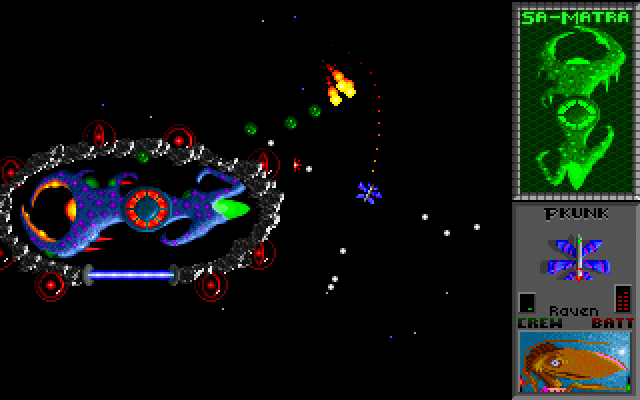

This decision changed everything. It meant the team—which was still, at its core, just Reiche and Ford—would need to create not just 14 ships, but an entire galaxy. Hundreds of stars, thousands of planets, and dozens of fully realized, sapient alien races, each with its own history, personality, voice, and agenda.
The task was, in short, impossible. And they almost didn’t pull it off.
The Story: Return of the Captain
The game’s opening sets the stakes perfectly. It is 2155. You are “The Captain,” the commander of a small, deep-space research mission from Earth, sent decades ago to the Vela star system to investigate a signal from an ancient, long-dead alien race known as the Precursors.
While you were gone, the war was lost. Utterly.
Your team discovers an automated Precursor factory and uses it to construct a massive, powerful, and unique starship. You and your small crew return to Earth, expecting a hero’s welcome. Instead, you find a planet encased in a pulsating red “slave shield.” A lone, automated probe informs you that Earth is now a “fallow slave” of the Ur-Quan Hierarchy and that your “independent” vessel is illegal and will be destroyed on sight.
You limp to the nearby space station, where you meet a beleaguered Commander Hayes, the leader of the last pocket of free humans. He gives you the grim news: the Alliance of Free Stars is shattered. The Shofixti are extinct. The Yehat are battle thralls. The Syreen have vanished. The Chenjesu and Mmrnmhrm are imprisoned.

Your mission, and the entire structure of the game, is laid bare: Take this one Precursor ship, this “Vindicator,” and fly into a hostile galaxy. Find out what happened to your old allies. Try to find new ones. Gather resources. Build a fleet. And somehow, some way, find a way to fight back against an invincible armada that has already conquered the known universe.
From that moment, the game takes its hands off the wheel. There is no quest log. There are no map waypoints. There is just you, your ship, and a universe of clues, rumors, and desperate whispers.
Development by “Friends and Family”
The sheer scale of this new design was almost the game’s undoing. Fred Ford’s programming was so efficient that he quickly built the game’s engine, the star map, and the exploration systems. He then turned to Reiche and asked, “Okay, where’s the content?”
They had a galaxy, but it was empty.
The budget from Accolade was running out, and the game was nowhere near finished. The project went wildly over schedule. To complete their magnum opus, Reiche and Ford did two things: they called in every talented friend they had, and Fred Ford began paying the team out of his own pocket to keep development alive (Source: Wikipedia).
This “all-star team of friends” is the secret ingredient that makes Star Control II so special.
The “All-Star” Team: The Friends Who Built a Universe
- Greg Johnson (The Mentor): As the designer of Starflight, Johnson was the spiritual godfather of the project. He became “one of the most significant contributors,” not only providing inspiration but getting his hands dirty. He wrote the dialogue for several key alien races and, just as he had on the first game, created the art for most of the alien spaceships.

- George Barr (The Pulp Artist): A veteran pulp science-fiction artist, Barr was brought in to give the game its distinct visual feel, drawing on a style heavily influenced by classic artists like Hannes Bok (Source: r/starcontrol). He was responsible for the look of the Syreen, among other contributions.
- Erol Otus (The Weird Artist): Reiche’s old D&D-era friend, Erol Otus, was perhaps the most crucial artistic contributor. Otus is the reason Star Control II‘s aliens look so wonderfully alien. He was responsible for the game’s unforgettable, bizarre, and psychedelic alien portraits. In a podcast interview, Otus confirmed his process: he created them as acrylic paintings, which were then scanned into the computer and digitized. He and the team would then add small animations to bring them to life—a dripping fang here, a twitching eye there. But his contribution didn’t stop at art. Otus also contributed to the writing, sound effects, and even composed the terrifying, booming theme for the Ur-Quan (Source: Pistol Shrimp Podcast). His influence is a massive part of the game’s unique, unsettling aesthetic.
A Galaxy of Voices: The .MOD Music Contest
Just as the art was a “best of” compilation of their friends, the soundtrack came from an even wider, more revolutionary source: the entire world.
Instead of hiring a single composer, Toys for Bob held a public contest, asking for music submissions in the .MOD file format. This “tracker” format was popular in the 90s demoscene. It was incredibly memory-efficient, allowing for complex, multi-channel songs to be stored in tiny files—perfect for a game that had to fit on floppy disks.
The winners would receive a small cash prize and, more importantly, have their music included in the game.
The response was overwhelming and defined the game’s audio landscape. Each alien race was given its own unique theme song, submitted by a different artist, which gave the cast an incredible musical diversity.
The grand prize winner was a Finnish musician named Riku Nuottajärvi. He won both first and second prize, and his tracks became some of the most iconic in the game: the main Hyperspace theme, the Mycon theme, the Thraddash theme, the Yehat theme, and the Starbase Commander Hayes theme (Source: Star Control Wiki).
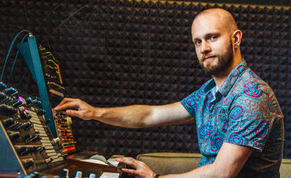
Other winners included Dan Nicholson (Arilou, Ilwrath, Syreen), Eric Berge (Melnorme, Orz, Pkunk, Spathi), Aaron Grier (whose “Fuchia Fantasy” became the Supox theme), and even Erol Otus himself (Ur-Quan) (Source: Ultronomicon Wiki). This brilliant, “crowdsourced” soundtrack was a huge part of what made every alien encounter feel so unique.
The Living Universe: A Deep Dive on the Races of SCII
While Star Control 1 gave the ships personalities, Star Control II gave those personalities depth. The writing, spearheaded by Paul Reiche III, was sharp, hilarious, terrifying, and tragic. The game’s dialogue system, where you could ask about different topics, was a masterclass in world-building.
Here is a look at some of the most memorable races you, as The Captain, would encounter.
- The Ur-Quan (Kzer-Za and Kohr-Ah): The villains of the first game are given a tragic, complex backstory. You learn they were once a kind, peaceful race until they were psychically enslaved by a small, malevolent race called the Dnyarri (the “Talking Pets” from the SC1 manual). After a millennium of brutal enslavement, the Ur-Quan overthrew their masters and were so traumatized that they developed a paranoid, xenophobic doctrine. This split them into two factions, now fighting their own civil war:
- The Kzer-Za (Green Ur-Quan) follow the “Path of Now and Forever.” They believe all other races are a potential threat and must be “enslaved” under a slave shield for their own good (Source: Star Control Wiki).
- The Kohr-Ah (Black Ur-Quan) follow the “Eternal Doctrine.” They believe all other races are a potential threat and must be “cleansed” (i.e., completely exterminated).
- The Spathi: The breakout stars of the game. This race of cowardly mollusks is so terrified of everything that they have encased their entire planet in a shield. Their dialogue is a hilarious stream of panicked bureaucracy, constant second-guessing, and a desperate search for “safe” planets (which are usually anything but). Their “Eluder” ship, with its backward-firing gun, is a perfect extension of their philosophy: “Run away, but shoot a little, just in case!”
- The Orz: This is where the game’s writing shifts from funny to deeply, skin-crawlingly creepy. The Orz are a fish-like race from “another dimension” who speak in a cheerful, fragmented-speech pattern full of strange metaphors. They talk about squeezing the juice and pulling on your frills. They are happy to help you, but they warn you not to ask about the Androsynth, who went to the pretty place. The mystery of the Orz and their strange true nature is one of the most chilling and memorable parts of the game.
- The Pkunk: The polar opposites of the Orz. The Pkunk are a race of new-age, hippie space-birds who are an “awakened” offshoot of the warrior-like Yehat. They are cheerful, mystical, and their “insults” are actually blessings (“May you be painfully disemboweled by a vicious, rabid beast!”).
- The Melnorme: The ultimate capitalists. These multi-eyed aliens in a giant trading vessel will sell you anything: ship upgrades, fuel, and, most importantly, information. Their lore database, sold by the “point,” is the game’s primary (and most brilliant) hint system. “Greetings, Captain. We are the Melnorme. We trade… information. It is our… special purpose.”
- The Zoq-Fot-Pik: A symbiotic race of three different species (the muscular Zoq, the brainy Fot, and the spiky Pik) who share one body. They are a new, fledgling race, utterly terrified of the “Kzer-Za”… except they have the name wrong, and are actually in the path of the Kohr-Ah, the exterminators.
- The Mycon: Another deeply unsettling race. The Mycon are a sentient, space-faring fungus that “grows” and “Juffo-Wup”s (their word for reproduction/terraforming). They are actively turning planets into “Pulsating” worlds, which are toxic to all other life. They speak in a slow, hypnotic, and deeply disturbing way, and their ultimate purpose is a dark, galaxy-spanning mystery.
The Definitive Edition: The 3DO Port
Star Control II was a massive critical and commercial success on PC. In 1994, it was ported to the 3DO Interactive Multiplayer console by Crystal Dynamics.

This was no simple port. The CD-ROM format allowed for a massive expansion of the game’s content. The 3DO version featured:
- Full Voice Acting: Every single line of dialogue from every single alien was professionally (and often quirkily) voiced. This brought the characters to life in a way the text-only version could only hint at. Erol Otus himself returned to provide the deep, resonant, processed voice of the Chmmr.
- Enhanced Music: The .MOD tracks were remixed and upgraded into high-quality CD audio.
- Improved Visuals: The 3DO port featured new animated cutscenes and enhanced graphics.

This 3DO version is, by all accounts, the definitive one. And it is this version’s source code that would, years later, become the foundation for the game’s ultimate legacy.
he Fractured Legacy – Puppets, Lawyers, and Rebirth
The release of Star Control II in 1992 was a watershed moment. Toys for Bob (TFB) had created a universe so rich, so funny, and so beloved that it was hailed as one of the greatest PC games of all time. A sequel was not just expected; it was demanded.
But Paul Reiche III and Fred Ford were exhausted. They had poured their lives (and in Ford’s case, his own money) into finishing their magnum opus. When publisher Accolade offered them the exact same budget to create a third game, TFB understandably balked at the offer and turned it down to pursue other projects (Source: Wikipedia).
Accolade, however, owned the Star Control trademark and was determined to make a sequel. They licensed the universe and characters that Reiche and Ford had created and handed the keys to a new developer: Legend Entertainment.
The result, Star Control 3 (1996), would become one of the most divisive and controversial sequels of its era.
The “Official” Sequel: Star Control 3 (1996)
To be fair to Legend Entertainment, their team was composed of veteran writers (including Infocom alumni) who were genuine, passionate fans of Star Control II. They actively consulted with the fan community and even with Reiche and Ford to answer lingering questions from the previous game (Source: Wikipedia). Their intent was to make a worthy successor.
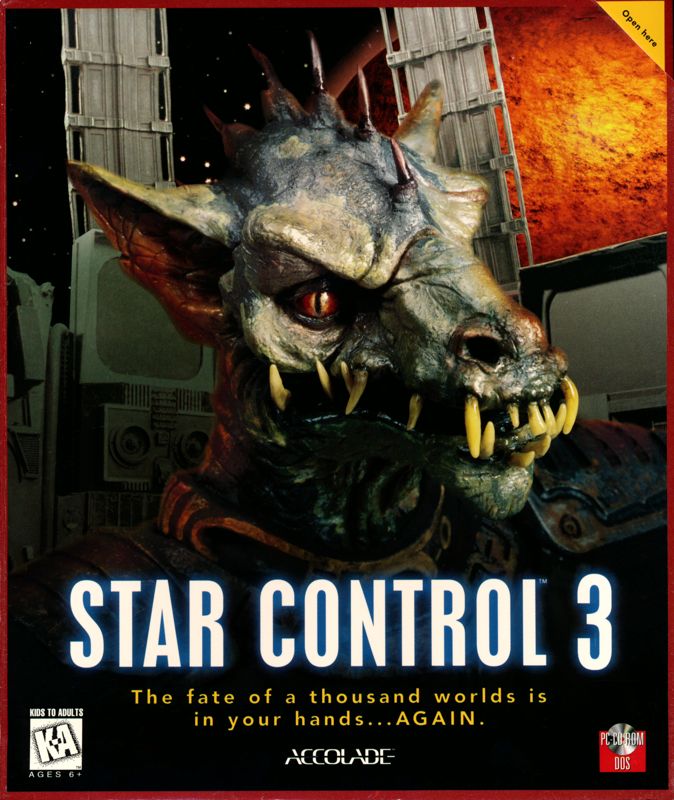
The plot picked up where SCII left off: the Captain, having destroyed the Ur-Quan Sa-Matra, must now deal with the after-effects. Hyperspace is collapsing across the galaxy, trapping the allied races in a small quadrant of space. The new goal is to investigate this phenomenon and a new, mysterious alien alliance called the Hegemonic Crux (Source: r/starcontrol).
Despite its good intentions, Star Control 3 was met with a deeply mixed, and ultimately negative, reception from the core fanbase. The reasons are a case study in failing to understand a predecessor’s “magic.”
- The Art: The most infamous change was the move from Erol Otus’s iconic, hand-painted 2D portraits to pre-rendered 3D models and full-motion video of animatronic puppets. What was intended to be a cutting-edge graphical leap for the CD-ROM era came across as ugly, sterile, and, in some cases, laughably “Muppet-like.” The unique, psychedelic art style was gone, replaced by what many fans derisively called “bad claymation” (Source: r/patientgamers).
- The Gameplay: Legend Entertainment tried to “fix” what they saw as SCII’s flaws. The beloved, hands-off exploration was replaced by a hand-holding, linear plot where an assistant, ICOM, essentially told you where to go next. The tedious-but-rewarding planetary resource gathering was replaced by a clunky, simplistic colony-management system that felt more like a “failed Master of Orion” (Source: Steam Community).
- The Combat: The finely tuned, top-down 2D Melee was “upgraded” to a distracting 2.5D, tilted-axis perspective that felt sluggish and poorly balanced, losing all the “razor sharp” precision of the original.
- The Writing: While the writing itself was competent, the story was a major point of contention. It resolved the grand, Lovecraftian mysteries of SCII in ways fans found deeply unsatisfying. The terrifying Mycon? Malfunctioning Precursor terraformers. The enigmatic Orz? Sinister extra-dimensional beings who ate the Supox. And the Precursors themselves, the ancient, god-like race? They were revealed to be… giant, sentient space cows who had “devolved” themselves to hide from a galaxy-harvesting entity called the Eternal Ones (a concept that Mass Effect‘s Reapers would later echo) (Source: r/starcontrol).
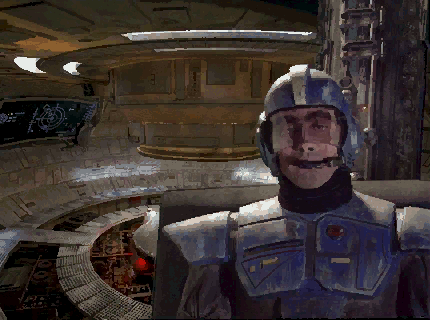
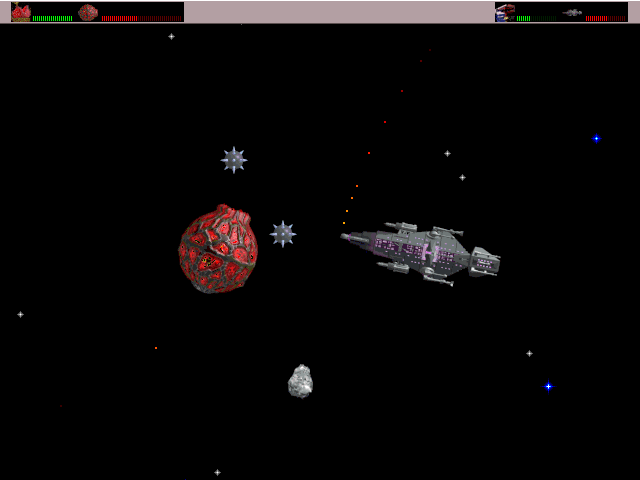
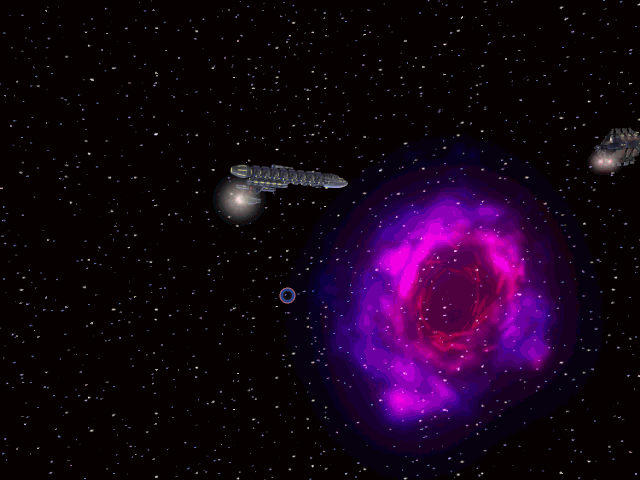
For the vast majority of fans, and for Reiche and Ford themselves, Star Control 3 was not the true continuation of the story. It was, as one reviewer put it, “the most complete fan fiction we have” (Source: Metacritic). The real story, it seemed, had ended in 1992.
Immortality: The Ur-Quan Masters
For years, the franchise lay dormant. The Star Control trademark was bought and sold, passed from Accolade to Infogrames, and eventually to Atari, while Toys for Bob was acquired by Activision. The story of Star Control seemed over.
Then, a miracle happened.
Paul Reiche and Fred Ford had, through a clause in their original contract, retained the copyright to all the original content of Star Control I and II—the story, the aliens, the ships, the dialogue. The rights reverted to them when the games stopped generating royalties (Source: Wikipedia).
Around the same time, the “lost” source code for the 3DO version of Star Control II was recovered.
In 2002, in an act of incredible generosity and foresight, Reiche and Ford released the 3DO source code to the public under an open-source license. They wanted their creation to live on, free from the confines of dead hardware and corporate limbo (Source: The Ur-Quan Masters – Wikipedia).
This single act gave the game immortality.
A dedicated group of fan developers and programmers immediately formed a project to take this source code and port it to modern operating systems (Windows, Mac, and Linux). They called this new, open-source version The Ur-Quan Masters (UQM), since they owned the content but not the Star Control trademark.

This project is the sole reason Star Control II is not just a beloved memory but a vibrant, playable game today. It’s 100% free and contains the full, definitive 3DO experience, including the voice acting and improved music (Source: sc2.sourceforge.net).
This open-source rebirth also created a thriving fan ecosystem. Two massive fan wikis, The Pages of Now and Forever (wiki.starcontrol.com) and the UQM-specific Ultronomicon (wiki.uqm.stack.nl), became the definitive repositories for the game’s impossibly deep lore. Later, another fan project, The Ur-Quan Masters HD, would create a full high-definition remaster of the game with redrawn art, keeping it beautiful for modern displays.
The fans had become the guardians of the universe.


The “Third Doctrinal War”: Stardock vs. Reiche & Ford
The Star Control universe was peaceful for over a decade. Then, in 2013, the Star Control trademark (the name itself) was put up for auction during Atari’s bankruptcy. It was purchased by Stardock, a PC developer known for strategy games like Galactic Civilizations.
Stardock CEO Brad Wardell announced that his company would be developing a new Star Control game, a reboot titled Star Control: Origins.
This triggered a complex and public legal battle that fans dubbed the “Third Doctrinal War.” The conflict was a messy, complex tangle of intellectual property law (Source: r/Games).
- Stardock’s Position: They had legally purchased the Star Control trademark and the rights to Star Control 3. They believed this gave them the right to create new games in the series and also to sell the original Star Control I and II.
- Reiche & Ford’s Position: They legally owned the copyright to all the content of Star Control I and II—the Ur-Quan, the Spathi, the ships, the lore, everything. They argued Stardock was unlawfully selling their games (which they had licensed to GOG.com separately) and misleadingly marketing Origins as if it were connected to their beloved universe.
The situation escalated. Stardock filed lawsuits. Reiche and Ford, who had recently left Activision to form a new, small studio called Pistol Shrimp, announced they were finally working on a true sequel to SCII, tentatively titled Ghosts of the Precursors. The legal battle became ugly, with DMCA takedown notices, public blog posts, and a very real threat that the classic games would be pulled from sale forever.
The Settlement: An Amicable End (Thanks to Bees)
Just as the war reached its peak in 2019, it ended. Not with a climactic court ruling, but with something far more in character with the Star Control universe: a friendly phone call.
In a joint statement, both parties announced an “amicable” settlement. The story behind it, as reported by GamesIndustry.biz, is the stuff of legend. Paul Reiche, an amateur beekeeper, decided to call Brad Wardell directly. His first sentence was reportedly along the lines of, “Before I start talking about settling our legal conflict, I’d like to talk about bees.”
As it turned out, Brad Wardell was also an avid beekeeper.
The two bonded over their shared, niche hobby. The lawyers and angry blog posts were set aside, and the two creators simply… talked. They hashed out a deal that was a “win-win-win” for everyone, especially the fans (Source: GamesIndustry.biz).
The final settlement was beautifully simple:
- Stardock keeps the Star Control trademark (the name). Their game, Star Control: Origins, continues as its own, separate universe.
- Paul Reiche III and Fred Ford retain their full and undisputed copyright to all the content, characters, and lore of StarControl I and II.
- Reiche and Ford’s true sequel would proceed under a new franchise name: Free Stars. Their “open source” version, The Ur-Quan Masters, was also officially renamed Free Stars: The Ur-Quan Masters to respect the trademark line.
- The classic Star Control I & II are sold by Stardock, with royalties split between them and the original creators.
The war was over. Everyone got what they wanted.
The Future is Free Stars
The story of Star Control is the story of a perfect creative partnership, a lightning-in-a-bottle moment that created a universe so compelling it’s still spoken of in hushed, reverent tones. It’s a universe that influenced countless modern games, most notably the Mass Effect series, which drew its entire blueprint from SCII’s formula of a central starship, galaxy exploration, resource gathering, and deep, branching alien dialogue.
More than that, it’s a story about ownership and passion. The universe built by Paul Reiche III, Fred Ford, Erol Otus, Greg Johnson, and their friends was so beloved that both its creators and its fans fought for three decades to protect it.
Today, that universe is safe. Stardock continues with its Star Control franchise. But for the fans who grew up with the Vindicator, who negotiated with the Melnorme, who were terrified by the Orz, and who charged into battle with a fleet of Spathi Eluders, the real story continues.
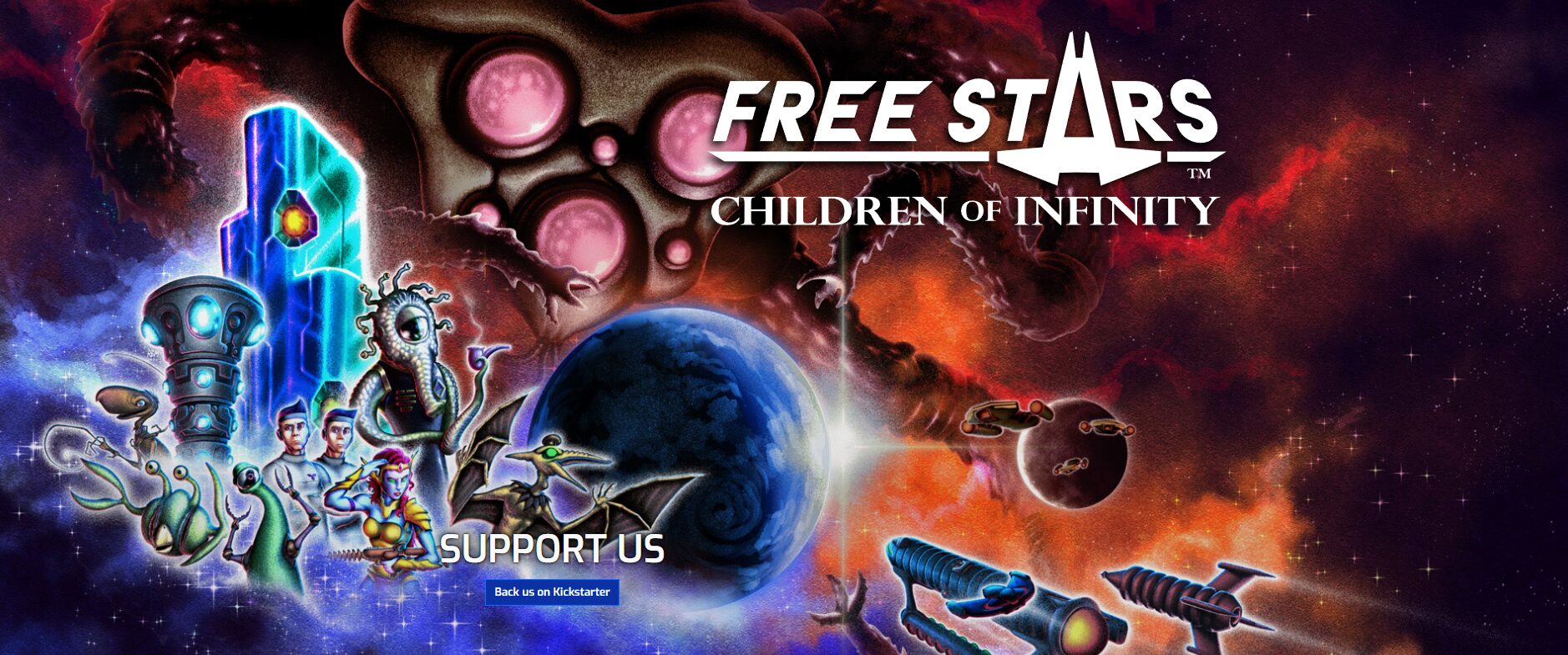
As of 2024, Paul and Fred (as Pistol Shrimp) are actively developing that true sequel, now titled Free Stars: Children of Infinity. The Captain is, at long last, coming home. Support this project by visiting their website.
Please check out our other “History of” articles here, and by all means, please give us suggestions on what to do next in the comments below.

Rainbow worlds ftw