 Retro Replay Retro Gaming History, Reviews & Emulation
Retro Replay Review
Gameplay
The first few minutes have the right kind of adventure-game nonsense. Sunny’s car has been destroyed by a steamroller, and the entire mission is to secure the one surviving duplicate somewhere in Los Angeles. It is an immediately understandable excuse to investigate locations, talk to people, and collect the odd objects that might move you toward that goal.
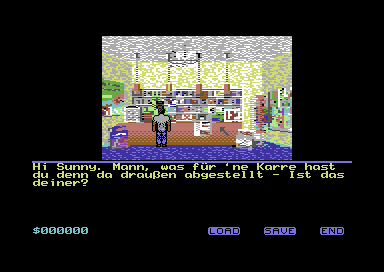
Its non-parser controls are a real point in its favor. Rather than guessing which verb the designer expects you to type, you move a cursor over an object and pick from the available commands. For a 1990 adventure, that removes a layer of friction and lets you concentrate on the puzzles themselves. Most progress comes from inventory use and conversations, so patience and thorough clicking matter more than quick reflexes.
Unfortunately, the inventory is where the game becomes needlessly hostile. You can carry only so much, and gaining room for another item requires permanently removing something from the game. Since later scenes may demand an item you chose to throw away, you can stumble into a dead end without realizing it until much later. Save often and keep more than one save file if you can; this is the kind of adventure where sensible play can still be punished by incomplete information.
The opening American pop-culture quiz and a handful of action sequences add variety, but they also make the experience feel less focused. If you enjoy abrasive, trial-and-error adventure design and can treat failures as part of the period charm, there is an unusual game here. If you want puzzles that reward deduction without risking a ruined playthrough, the limited inventory will wear out its welcome fast.
Graphics
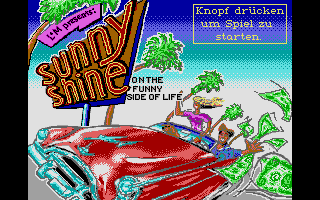
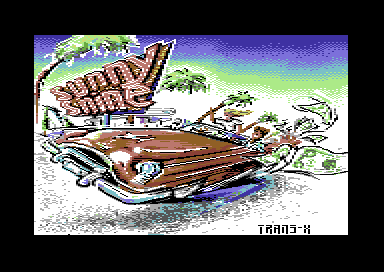
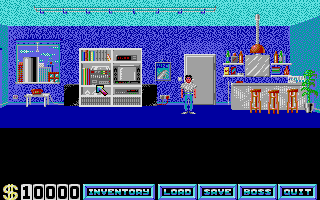
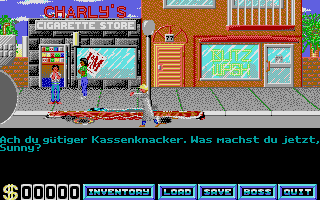
The game’s Los Angeles setting is carried by its background scenes, which also weave L&M references into the environment. The cigarette advertising turns up in dialogue as well, so it is hard to separate the game’s comic adventure tone from its promotional purpose.
Story
This is a light comic chase rather than a sprawling narrative: Sunny needs the sole duplicate of his destroyed car and has to get it into his own hands. That simple goal is a good fit for an adventure built around talking, searching, and trying inventory items on problems.
The oddest part of the story is its commercial framing. L&M is not merely attached to the box; references appear in both the backgrounds and dialogue. That makes the game a peculiar artifact of advertising-driven software, and the constant brand presence will either be part of the novelty or an immediate distraction.
Sunny’s predicament at least gives the game a playful starting point, but the scenario does not need much more than that to motivate the puzzle chain. Go in for a goofy lost-car hunt, not for a character-driven tale with deep dramatic stakes.
Overall Experience
Sunny Shine on the Funny Side of Life is easier to admire as a bizarre piece of adventure-game history than to recommend without reservations. A commercial game built around L&M cigarettes, a steamroller-flattened car, and a hunt for a unique replacement is certainly not forgettable. The point-and-click-style command selection also feels welcoming beside many contemporary parser adventures.
Then the game asks you to gamble with essential inventory items. Permanent disposal combined with possible dead ends is a rough design decision even by old-school standards, because it can turn progress into replaying old ground rather than solving a fresh problem. The quiz and action interludes may further test your patience if you came purely for classic adventure puzzles.
Give it a chance if you are already fond of 1990 adventure oddities and do not mind documenting your own playthrough with careful saves. Everyone else should be wary: there is a funny premise and an interesting interface here, but the payoff is too easily buried under unforgiving inventory management.


Reviews
There are no reviews yet.