 Retro Replay Retro Gaming History, Reviews & Emulation
Retro Replay Review
Gameplay
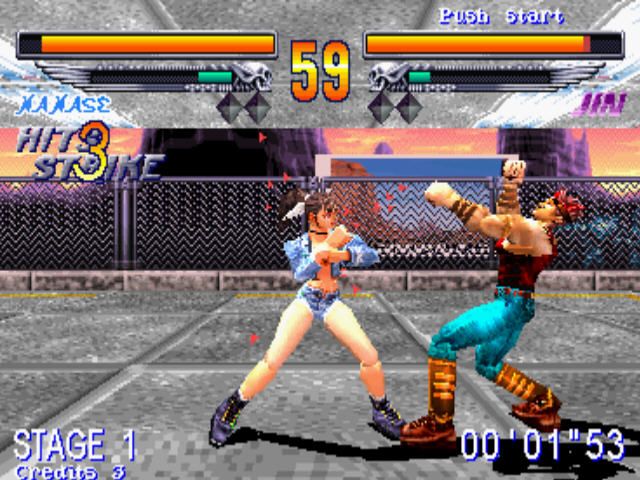
The first thing you will notice is that Yusha: Heaven’s Gate wants its buttons to matter. Defense, punches, and kicks each have their own button, rather than folding protection into a more generalized control scheme. That makes the game sound invitingly direct: you are asked to attack, defend, and make a choice about the kind of strike you want, not wrestle with an overloaded command list before the fight starts.
The timing variations on those buttons are where the game tries to find extra texture. Pressing more quickly changes your defensive and attacking moves, so there is at least some reason to experiment instead of treating every punch or kick as interchangeable. That can be rewarding if you enjoy learning a fighter through repetition, though it also places a lot of weight on how satisfying those basic exchanges feel. Yusha is much more about getting comfortable with its immediate combat language than it is about a huge roster or elaborate mode selection.
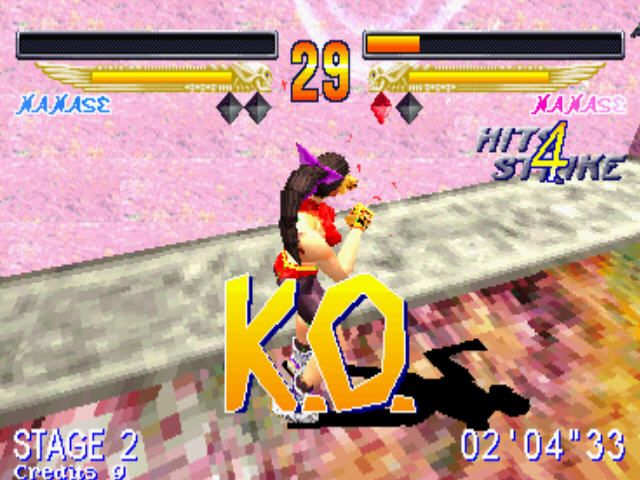
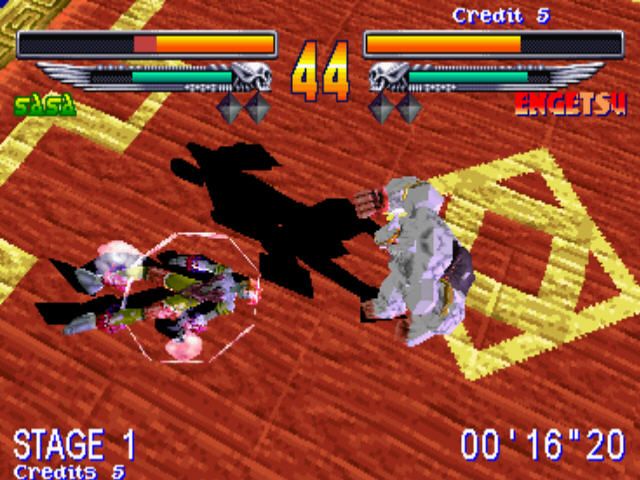
Its strongest hook is the sol or lunar power gauge tied to your chosen character. Both dealing damage and absorbing it build the meter, and a filled gauge grants temporary invincibility along with powerful assault moves. That is a smart source of tension. A round can change because you have pressed an advantage, but it can also change because an opponent who has been battered finally reaches their dangerous state. You will want to watch the meter as carefully as the health situation.
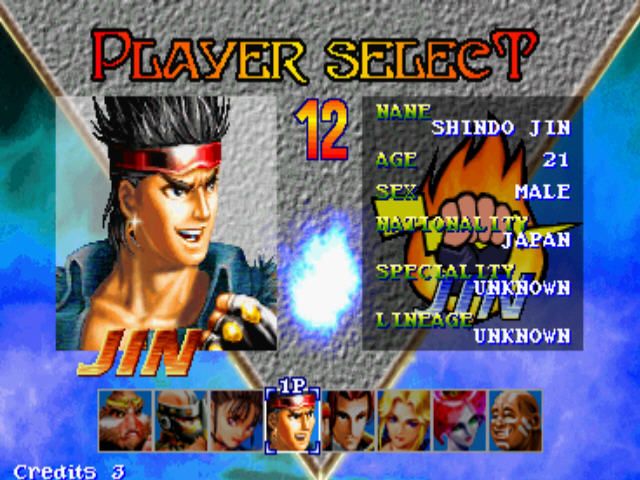
Arcade and Vs. modes cover the expected solo and head-to-head uses, while the initial eight-person selection gives each match a different nationality, specialty, and lineage to consider. More characters can be unlocked, which is a welcome reason to keep playing after early runs. The system is not overflowing with stated extras, but the changing final-boss matchup and the possibility of expanding the roster give its compact structure some staying power.
Graphics
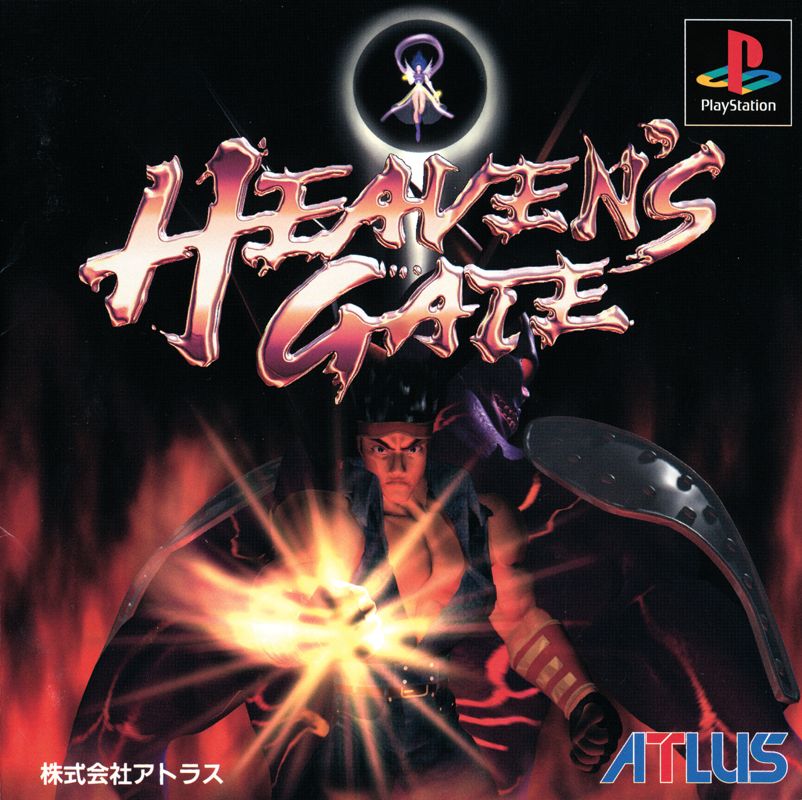
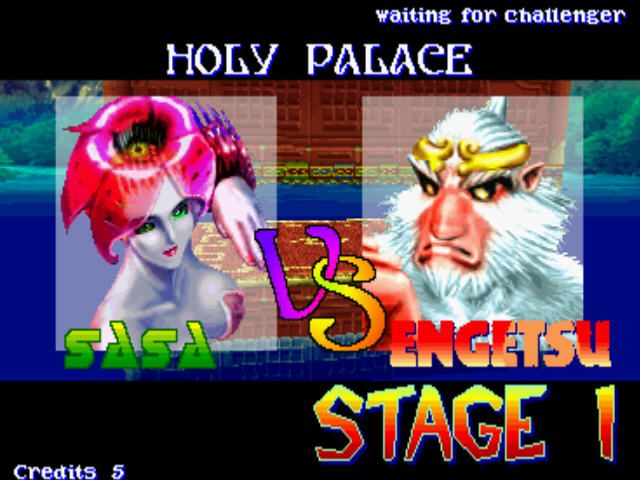
Yusha: Heaven’s Gate is a 3D fighter, placing its combatants in three-dimensional battles rather than using flat 2D character sprites. The supplied character setup emphasizes a varied international group, with each fighter separated by specialty and lineage; that roster variety is the clearest visual draw in the game’s basic concept.
Story
Story here is built around sides rather than a heavily detailed plot. Every fighter belongs to either a good or evil alignment, and that decision has a practical consequence: it changes the final boss you face. Picking a character is therefore also picking which side of the conflict you want to carry into the arcade run.
That branching boss structure is a better fit for a fighting game than a single fixed conclusion would be. It gives a second run a tangible difference even before you account for the fighters themselves, and it lends the good-versus-evil framing a purpose beyond character-select flavor text. If you enjoy seeing how a game’s opposing routes are arranged, there is value in clearing both sides.
Still, do not come to Yusha expecting its nationality, specialty, and lineage notes to unfold into an expansive narrative. They establish distinct combatants and a conflict with two alignments, but the stated story hook remains functional and concise. The payoff is the altered final opponent, not a sweeping tale around the tournament.
Overall Experience
Yusha: Heaven’s Gate lands as a 6.3-level fighting-game curiosity: competent in its core idea, occasionally distinctive, but not persuasive enough on paper to stand with the genre’s essential arcade fighters. The separate defensive, punch, and kick inputs give it a slightly more deliberate personality, while the gauge makes every exchange matter beyond immediate damage.
Its best moments should come when a familiar match suddenly turns on a full sol or lunar meter. Temporary invincibility and strong assault moves create an obvious danger point, so even a player on the back foot has a route to make the other side nervous. That is a solid arcade-fighter instinct, and it is the feature most likely to keep you testing characters and matchups.
Give it a chance if you have a soft spot for offbeat 1990s 3D fighters and enjoy systems that reward learning timing and managing a comeback meter. Go in for the combat and the alternate good-or-evil boss routes, not for a huge suite of modes or a deep narrative campaign. Yusha does not appear to reinvent the one-on-one fighter, but it has enough of its own structure to justify an afternoon of curious experimentation.


Reviews
There are no reviews yet.