 Retro Replay Retro Gaming History, Reviews & Emulation
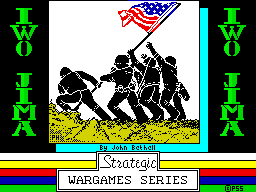

Retro Replay Review
Gameplay
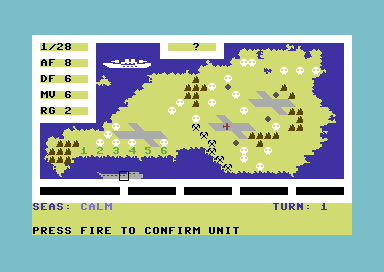
Iwo Jima wastes little time getting to its central question: can you read the island well enough to push the Japanese forces off it? The full-island map puts the conflict in your hands from the start. Terrain, minefields, friendly units, and enemy forces are marked with icons, so each turn begins with a quick assessment of where the pressure is building and where a bad order could slow the campaign down.
Turns are deliberately methodical. You issue orders to your units, then the computer calculates the outcome before the next round begins. That delay between decision and result is where the tension lives. You have to commit based on the situation in front of you rather than rely on twitch reactions, and the game asks you to think about the island as a connected battlefield instead of a string of isolated fights.
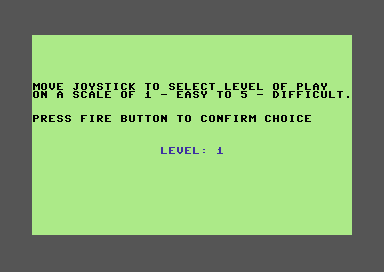
The five computer difficulty levels give the game useful room to grow. Start low if you want to learn how its order-and-resolution rhythm feels, then move upward once you can make sense of the map without second-guessing every marker. The drawback is that Iwo Jima is extremely narrow in scope: if the basic act of studying icons and issuing turn-based orders does not grab you early, there is not much else here to pull you through.

Graphics
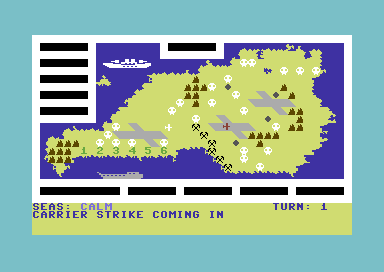
The view is a top-down map of Iwo Jima, built around practical icons for terrain, minefields, and opposing forces. It is functional battlefield imagery rather than character-focused war drama, but the single-screen overview suits a game where you need to judge the whole island before giving orders.
Story
The game draws its scenario from the World War II invasion of Iwo Jima. You command the U.S. side, with the stated military objective of seizing the island and its air bases as part of the broader fight against Japan.
That historical premise gives every turn a clear purpose: defeat the Japanese forces and take full control of the island. There is no need for a sprawling campaign narrative when the territorial objective is so direct.
What matters here is the campaign-level pressure of an invasion, not a personal tale of individual soldiers. If you want named characters and dramatic scenes, this will feel dry; if you enjoy history reframed as a concentrated strategic problem, the setting supplies enough weight to the map decisions.
Overall Experience
Iwo Jima is a compact war game built for the player who enjoys pausing over a map and accepting the consequences of a plan. Its strongest quality is clarity of purpose. You know what you are trying to take, who stands in the way, and why every turn matters.
It also feels very much like a focused mid-1980s home-computer strategy game. The controls and information are concentrated into a map-and-icons format, and the satisfaction depends on whether you can get invested in that stripped-back exchange of orders and calculated results.
At 5.3, it lands as a middling but respectable specialist game rather than an essential World War II classic. Give it a chance if you want a contained, turn-based Iwo Jima scenario with adjustable opposition and can enjoy finding tension in careful planning. Anyone after rich storytelling or a more immediately varied strategy experience will likely run out of patience before the island changes hands.


Reviews
There are no reviews yet.