 Retro Replay Retro Replay gaming reviews, news, emulation, geek stuff and more!
Retro Replay Review
Gameplay
Dragon Slayer: The Legend of Heroes II builds on the solid foundation of its predecessor by retaining traditional turn-based combat while introducing visible enemies on the overworld. This change allows players to choose between confrontation and avoidance, adding a layer of strategy to exploration. No longer are skirmishes purely a matter of chance—spotted foes can be circled around or engaged head-on, giving Atlas and his party more control over their journey.
(HEY YOU!! We hope you enjoy! We try not to run ads. So basically, this is a very expensive hobby running this site. Please consider joining us for updates, forums, and more. Network w/ us to make some cash or friends while retro gaming, and you can win some free retro games for posting. Okay, carry on 👍)
Combat itself unfolds from a first-person perspective, with richly animated enemy sprites and distinctive attack animations. Each character’s abilities feel meaningful: Atlas wields his sword with precise strikes, while magical support comes from Longtail and other party members you meet along the way. Level progression is paced to reward exploration without grinding excessively, and boss battles against unpredictable foes keep encounters fresh.
Exploration spans a diverse map of Iseruhasa, from bustling towns to ominous dungeons carved into volcanic rock. While navigation remains straightforward, the inclusion of hidden treasures and side quests encourages players to backtrack and investigate every nook. Whether you’re hunting rare equipment or gathering lore from village elders, the world feels alive and worth exploring.
Graphics
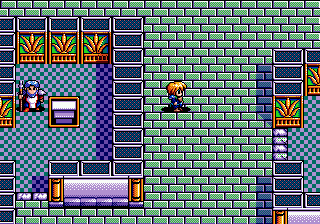
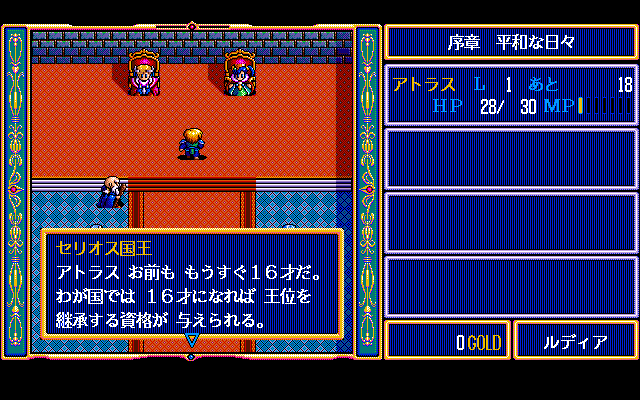
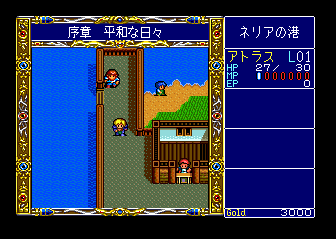
The Genesis version of Dragon Slayer II features updated graphics that sharpen character sprites and add richness to environmental tiles. Town buildings are detailed with banners and market stalls, and the palette has been broadened to include deeper shadows in cave systems and more vibrant hues in forested areas. These tweaks give the game a more polished, modern feel compared to the original release.
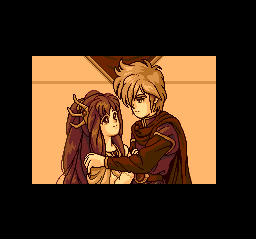
Character portraits during dialogue are neatly rendered, conveying emotions through subtle changes in expression. Cutscenes blend static art with light animations—blinking eyes, moving lips—to punctuate key moments without jarring transitions. It’s a modest approach, but effective in maintaining the game’s narrative flow.
Enemy encounters on the field showcase varied designs, from lowly goblins to the armored figures lurking near the capital. When foes do spring from hiding, their battle sprites transition seamlessly into the combat interface. Though the core engine remains reminiscent of early ’90s JRPGs, the enhancements in color depth and sprite detail breathe new life into the familiar aesthetic.
Story
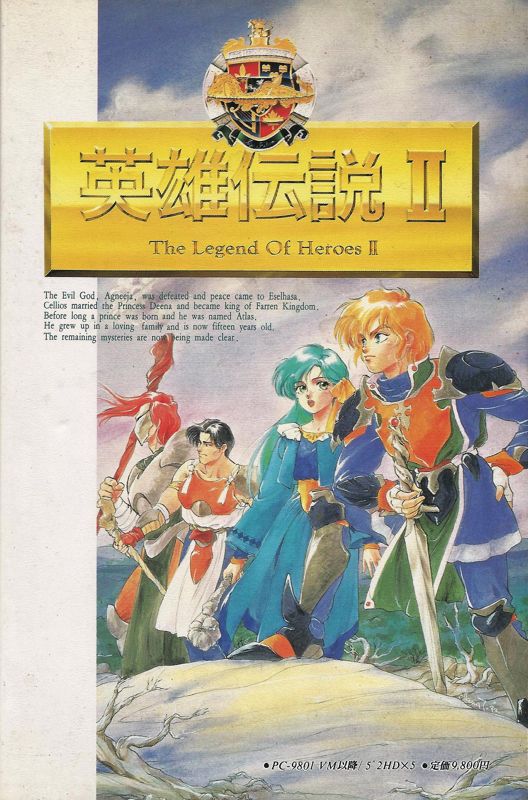
Taking place years after Prince Selios vanquished the demon god Agunija, the tale now centers on his son Atlas, a fifteen-year-old warrior trained by the stalwart Lowel. The game’s opening scenes skillfully set the stage: a kingdom basking in peace is suddenly threatened by mysterious figures donning space suits. Their otherworldly presence immediately raises questions about their origins and intentions.
As Atlas and his companions investigate, they uncover traces of advanced technology and cryptic messages hinting at a larger cosmic plot. Dialogue is handled with sincerity and occasional whimsy—veteran characters like Dina and Lowel provide grounded perspective, while younger adventurers bring enthusiasm and humor. This balance keeps the narrative engaging without veering into melodrama.
Story pacing is commendable, with main quest beats interwoven with character-driven side arcs. Each town offers unique NPCs who share legends and personal struggles, enriching the world-building and incentivizing exploration. The climax, which pits Atlas against forces beyond any demon god, delivers satisfying twists that honor the series’ legacy while carving out new territory.
Overall Experience
Dragon Slayer: The Legend of Heroes II delivers a comfortable yet captivating JRPG experience. Fans of the original will appreciate the familiar mechanics and story callbacks, while newcomers can enjoy a self-contained narrative that gradually reveals its depth. The visible-enemy system smartly updates the classic formula, letting players tailor the challenge to their preferences.
Though it doesn’t reinvent the genre, the game’s strengths lie in its cohesive presentation—from refined graphics to well-paced storytelling. Exploration remains rewarding, and the turn-based battles are just engaging enough to keep momentum without overstaying their welcome. Whether you’re tracking down elusive artifacts or battling armored intruders, the core gameplay loop feels consistently satisfying.
In sum, Dragon Slayer II stands as a worthy sequel that respects its roots while offering subtle innovations. It is highly recommended for RPG enthusiasts seeking a nostalgic journey through a richly detailed world, complete with memorable characters and a mysterious sci-fi twist. For anyone looking to dive into classic, story-driven adventures on the Genesis, this title is an excellent choice.


Reviews
There are no reviews yet.