 Retro Replay Retro Replay gaming reviews, news, emulation, geek stuff and more!

Retro Replay Review
Gameplay
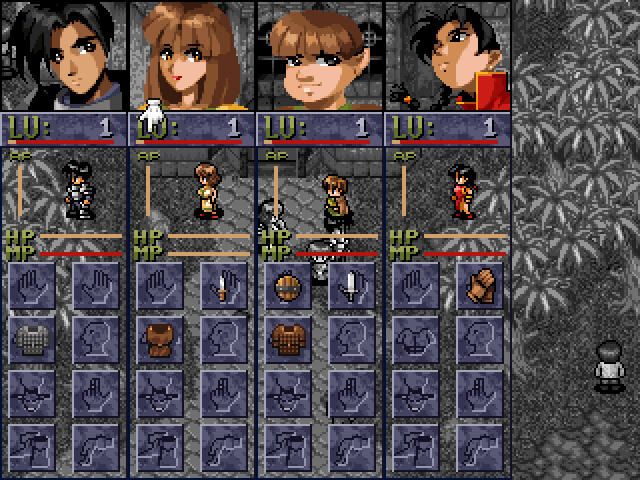
The opening has a useful hook: before the adventure properly gets moving, you answer questions that determine the attributes of your four main party members. It is an immediately personal touch in the Ultima tradition. Rather than simply accepting a fixed crew, you begin by giving that crew a statistical shape, and that can make the early decisions feel more like your own responsibility.
Combat is turn-based, but it is not a matter of selecting an attack and watching the numbers happen. You move characters around the battle screen, then need to get enemies within reach of weapons, magic, or abilities. That extra concern gives each encounter a tactical rhythm. You are weighing where to stand and whom to expose, not only which attack looks strongest.
That positioning can also be where frustration sets in. A character’s range matters, so careless movement can leave a useful fighter or spellcaster unable to contribute when you need them. Give Forgotten Saga a chance if you enjoy slowing down, reading the field, and treating each party member as a piece with a job to do. If you want rapid, low-friction battles, its methodical approach may wear thin.
There is no overworld to roam; instead, the journey runs through interconnected areas. That makes this a more directed RPG than a continent-spanning wanderer. The upside is a clear sense of forward motion, especially once the tactical battles start to click. The trade-off is that exploration is defined by that connected-area structure rather than broad-map freedom.
Graphics
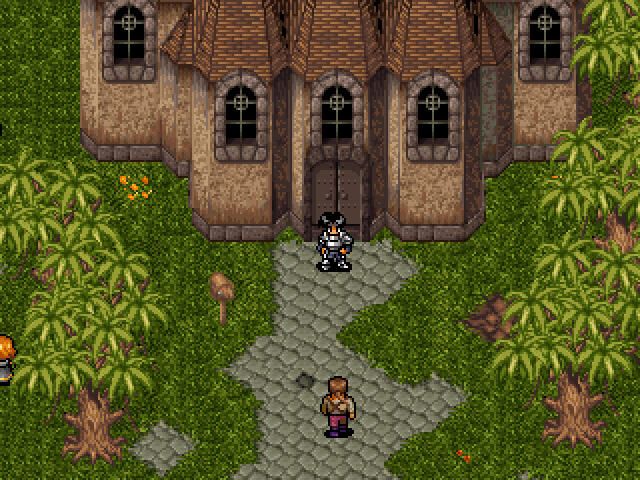
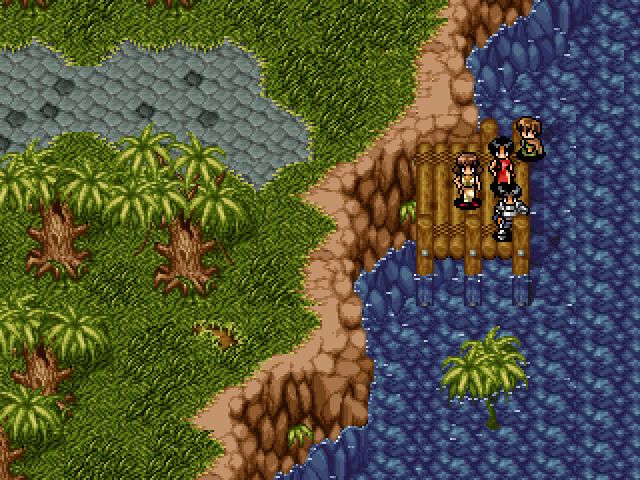
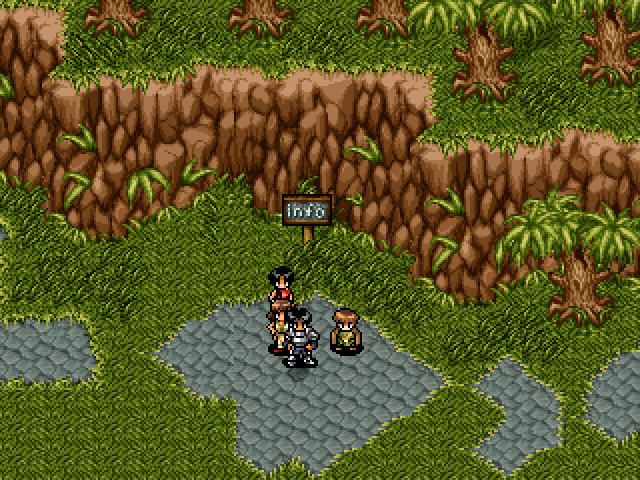
Forgotten Saga uses a top-down viewpoint, with battle screens built around moving the party into range. That perspective is a sensible fit for its tactical fights: you can focus on where your four adventurers and their enemies stand before committing to an attack, spell, or ability.
Story
At first, the party’s ambitions are uncomplicated: they are adventurers willing to face danger as long as the pay is good. Their trip to the quiet town of Gorax, in Nubroier province, begins with helping a local millionaire recover treasure. It is a grounded setup for a fantasy RPG, and the mercenary attitude gives the group a more practical starting point than the usual instant call to heroism.
The story turns when a seemingly simple letter-delivery request upends those plans. The four are imprisoned by the authorities, pushing them from hired hands into a fight for their own freedom. That escalation is the strongest part of the premise because it turns a routine job into a personal problem rather than asking you to save the world on command.
A mysterious young woman the party met earlier becomes crucial to their escape and their attempt to stop the Governor of Nubroier’s evil plans. As a side story to Astonishia Story, Forgotten Saga has the feel of an adventure happening along the edges of a larger fantasy setting. You do not need a grand premise to get invested here; the shift from treasure work to political danger gives the party a clear reason to keep moving.
Overall Experience
Forgotten Saga is most rewarding when you meet it on its own old-school terms. Build your party through the opening questions, take the tactical grid seriously, and accept that range and placement are central to every fight. When that cadence clicks, the game offers more involvement than a purely menu-driven turn-based RPG.
Its connected-area structure keeps the adventure compact and directed, while the story gives the mercenary party a believable route into larger trouble. The payoff is less about freeform wandering and more about seeing a paid job spiral into imprisonment, escape, and a confrontation with provincial power.
This is an easy recommendation for a patient RPG fan curious about Korean fantasy games of the era, particularly if tactical turn-based combat matters more to you than an overworld map. Others may find its pace and emphasis on careful positioning demanding, but the party customization and hands-on battle system give it enough character to be worth the effort.


Reviews
There are no reviews yet.