 Retro Replay Retro Replay gaming reviews, news, emulation, geek stuff and more!



Retro Replay Review
Gameplay
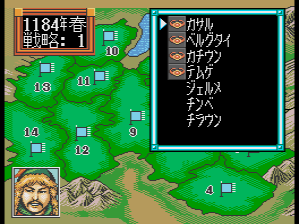
Genghis Khan II: Clan of the Gray Wolf offers a deep, turn-based grand strategy experience set on a sprawling 2D world map divided into numerous provinces. Players step into the shoes of Temujin, better known as Genghis Khan, and oversee every aspect of imperial expansion—from developing agricultural lands and recruiting troops to managing treasury and forging alliances with rival factions. The pacing is deliberate, rewarding careful planning over rash decisions.
(HEY YOU!! We hope you enjoy! We try not to run ads. So basically, this is a very expensive hobby running this site. Please consider joining us for updates, forums, and more. Network w/ us to make some cash or friends while retro gaming, and you can win some free retro games for posting. Okay, carry on 👍)
Much like Koei’s Romance of the Three Kingdoms and Nobunaga’s Ambition, the game emphasizes menu-driven management. You assign orders to trusted lieutenants, allocate resources for infrastructure projects, and negotiate diplomatic treaties. Each turn brings fresh challenges: a harsh winter may deplete food stocks, while a neighboring warlord’s rebellion could threaten the stability of your nascent empire.
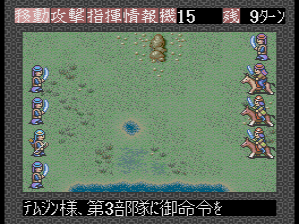
When armies clash, the action shifts to a separate tactical mode. Here, you command infantry, cavalry, and artillery units with simple yet meaningful commands: advance, hold, charge, or retreat. Terrain features such as rivers and hills affect movement and combat effectiveness, adding a layer of strategy to every engagement. Battles can be won through superior numbers, better positioning, or tactical ingenuity.
Replayability stems from a variety of scenarios, ranging from the Conquest of Mongolia—where you unite fractious tribes—to a full-scale World Conquest involving up to six playable factions. Each scenario introduces different victory conditions and starting advantages, ensuring that no two campaigns play out the same way. As your empire grows, managing supply lines and maintaining loyalty among subordinates becomes as critical as battlefield tactics.
Graphics
Visually, Genghis Khan II embraces a classic, pixel-art aesthetic typical of early 1990s strategy titles. The overhead world map is rendered in simple yet clear colors, allowing you to distinguish terrain types, province ownership, and troop concentrations at a glance. Province icons and unit sprites are small but sufficiently detailed for quick recognition.
In tactical battles, the side-view layout presents rows of unit sprites lined up before the enemy. While animations are minimal—usually limited to marching frames and simple attack motions—the clarity of the presentation ensures you always understand each unit’s orders and status. Combat text updates roster details and damage reports, so you’re never left guessing the outcome of an exchange.
The user interface leans heavily on text menus, dropdowns, and numeric displays. Though lacking in flashy transitions or high-resolution artwork, the clean UI makes managing dozens of provinces and hundreds of units surprisingly intuitive once you learn the layout. Tooltips and color codes help newcomers interpret statistics rapidly without breaking the immersion.
Of course, by modern standards the visuals may feel dated. Screen resolutions are fixed, and sprites can appear blocky on high-definition displays. However, the retro charm contributes to the game’s atmosphere, evoking a sense of classic strategy gameplay that many fans still find endearing today.
Story
At its core, Genghis Khan II is guided by historical events surrounding Temujin’s rise from tribal chieftain to Great Khan of the Mongol Empire. Scenarios are structured around key campaigns—such as the unification of the Mongol tribes—allowing you to replay or rewrite history. Dynamic event triggers bring famous episodes to life, from the betrayal of rival princes to alliances with the Tangut Kingdom.
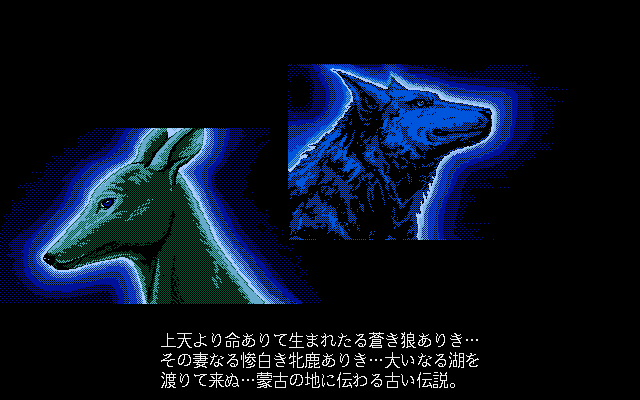
Though there are few cutscenes or voiced narratives, the story emerges organically through text-based reports, diplomatic negotiations, and battlefield outcomes. Each diplomatic overture or rebellious uprising is punctuated by succinct messages that convey political intrigue, shifting loyalties, and the human drama behind the empire’s expansion.
Character traits assigned to your generals—such as bravery, loyalty, or ambition—impact both their performance in the field and their likelihood to remain faithful allies. A spurned officer might defect at a critical moment, turning the tide of war. This system adds role-playing elements to the grand strategy framework and ensures no two playthroughs feel identical.
For players seeking more freedom, the World Conquest scenario allows non-Mongol factions to rewrite the entire narrative. You could lead the Jin Dynasty against a fractured steppe, or take charge of European powers and fend off the Mongol tide. This open-ended design enhances replay value and keeps the historical canvas fresh.
Overall Experience
Genghis Khan II: Clan of the Gray Wolf remains a compelling entry in Koei’s library of grand strategy epics. Its blend of province management, diplomatic maneuvering, and tactical battles creates a richly layered experience that rewards both strategic foresight and adaptability. Although its pacing is methodical, each decision carries weight, fostering an addictive “just one more turn” mentality.
On the downside, the learning curve can be steep for newcomers to grand strategy. The interface, while clear, relies on memorizing menu structures and numeric modifiers. AI behavior in diplomacy and combat can also be unpredictable—sometimes frustratingly so—but this quirkiness adds character to each campaign.
This game will particularly appeal to history enthusiasts and fans of classic turn-based strategy. If you appreciate detailed management systems, historical authenticity, and a retro graphical style, Genghis Khan II offers countless hours of strategic depth. Modern players accustomed to streamlined tutorials may need patience, but the payoff comes in the form of sweeping conquests and rival empires brought to heel.
In summary, Clan of the Gray Wolf stands the test of time as a solid, if somewhat niche, strategy title. Its combination of empire building, tactical battles, and emergent storytelling make it a worthwhile addition for collectors and strategy veterans seeking a taste of Koei’s early grand strategy pedigree.


Reviews
There are no reviews yet.