 Retro Replay Retro Replay gaming reviews, news, emulation, geek stuff and more!

Retro Replay Review
Gameplay
Impossible Mission II throws you into an adrenaline-fueled countdown: eight hours to thwart Elvin’s world-ending plan. The game preserves the core exploration-and-puzzle structure of its predecessor while introducing new twists. You’ll navigate multiple tower levels, each brimming with hidden elevators, secret passages, and perilous floor tiles that can send you plummeting to lower levels. Every second counts, so mapping out the towers efficiently becomes as important as the platforming itself.
(HEY YOU!! We hope you enjoy! We try not to run ads. So basically, this is a very expensive hobby running this site. Please consider joining us for updates, forums, and more. Network w/ us to make some cash or friends while retro gaming, and you can win some free retro games for posting. Okay, carry on 👍)
Robots patrol the corridors with unpredictable patterns, forcing you to learn their behaviors on the fly. Colliding with these mechanical sentries sets you back precious minutes, heightening the tension of each dash through a hallway. To progress, you must locate security discs scattered throughout the complex. Slotting them into control panels unlocks new areas, ramping up the strategic element as you decide which rooms to prioritize and which to revisit later under tighter time constraints.
A standout feature is the musical-sequence puzzle. As you recover fragments of melody hidden behind security systems, you gradually piece together the tune that gains you access to Elvin’s inner sanctum. This layering of platforming, stealth, and audio-based codebreaking creates a satisfying synergy: each segment you solve feels earned, and you’re constantly switching mindsets from nimble jumper to puzzle solver. For players who relish methodical challenges wrapped in a high-stakes timer, Impossible Mission II delivers depth and pacing that remain engaging throughout its runtime.
Graphics
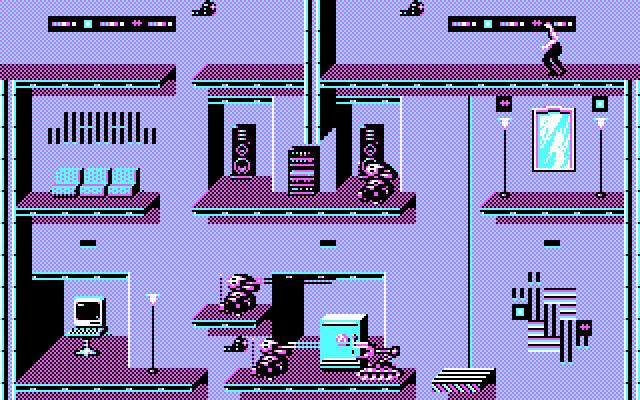
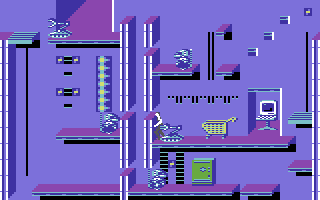
Though designed for 8-bit systems, Impossible Mission II punches well above its weight in the visual department. Character sprites are crisply rendered, and Elvin’s robotic minions sport distinct color schemes that make them instantly recognizable even in the game’s often dimly lit corridors. Each of the fortress’s floors features subtle background variations—machinery, control panels, or grated catwalks—that prevent the environment from feeling monotonous.
Animation is surprisingly fluid given hardware constraints. Your protagonist’s running and jumping cycles feel responsive, with just enough frames to convey momentum and urgency. Robots spring to life with mechanical whirs and stutters, enhancing their menace. Even the occasional elevator ride or locked door opening is animated smoothly, contributing to an immersive experience rather than a jarring series of static screens.
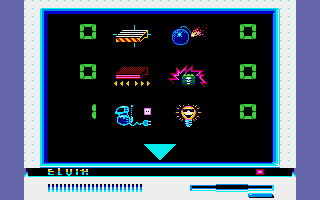
The limited color palette is used to good effect. Key gameplay elements—like coded tiles, security slots, and collectible items—stand out in bright hues, ensuring you never lose track of mission-critical objects. Shadows and darker tones create an atmosphere of looming peril, underscoring the fortress’s foreboding nature. Altogether, the visuals remain charmingly nostalgic without compromising clarity or playability.
Story
Impossible Mission II picks up right where you left off: the world is under threat from Elvin, a psychotic genius hell-bent on destruction. Briefings at the start of each level reemphasize the stakes, reminding you of the ticking clock. While in-game storytelling is minimalist, every snippet of text reinforces the urgency driving your mission.
The narrative unfolds largely through environmental detail rather than cutscenes. Empty control rooms and flickering monitors hint at Elvin’s hasty retreat, while scattered robot patrols suggest his fortress is on high alert. Recovering musical sequences to unlock higher levels feels metaphorical—you’re literally piecing together the melody that will seal Elvin’s fate.
What the story lacks in complexity, it compensates for in tension and motivation. The simple premise—stop a mad genius within eight hours—provides a laser focus that keeps gameplay stakes palpable. There’s no superfluous lore to bog you down; every action you take directly contributes to halting an apocalyptic threat, making each leap and code-crack satisfyingly consequential.
Overall Experience
Playing Impossible Mission II is akin to running a high-pressure obstacle course with mental detours at every turn. The blend of platforming, time management, and puzzle-solving creates a dynamic gameplay loop that never overstays its welcome. Each tower you conquer brings new challenges, ensuring you’re continually refining your strategies and honing reflexes.
Difficulty can spike suddenly, especially as the clock wears down and robots become more aggressive. Beginners may find the steep learning curve frustrating at first, but perseverance is rewarded. Patterns emerge, optimal routes become clear, and each successful mission instills a strong sense of achievement. The satisfaction of slotting in the final musical piece and storming Elvin’s central chamber is a highlight that retro enthusiasts will relish.
For players seeking a legacy title with enduring depth, Impossible Mission II remains a compelling choice. Its thrilling race against time, resourceful level design, and evocative audiovisual presentation secure its place in the pantheon of classic action-puzzle games. Whether you’re revisiting it for nostalgia or diving in for the first time, this sequel offers a richly engaging experience that stands the test of decades.

Reviews
There are no reviews yet.