 Retro Replay Retro Replay gaming reviews, news, emulation, geek stuff and more!
Retro Replay Review
Gameplay
Romance of the Three Kingdoms II refines the turn-based grand strategy formula established by its predecessor, offering a steadier progression that allows new and veteran players to build their forces without the constant threat of catastrophic setbacks. The game’s slower time rate encourages careful planning: you’ll have the breathing room to develop agricultural output, recruit and train troops, and negotiate alliances before committing to large-scale military campaigns. This adjustment directly addresses one of the most “disturbing” elements of RTK I—generals falling victim to random disease outbreaks—and replaces it with a more predictable, stable experience.
(HEY YOU!! We hope you enjoy! We try not to run ads. So basically, this is a very expensive hobby running this site. Please consider joining us for updates, forums, and more. Network w/ us to make some cash or friends while retro gaming, and you can win some free retro games for posting. Okay, carry on 👍)
Strategic depth comes from managing your fiefs’ resources, organizing patrols to boost security, and assigning gifted administrators to oversee taxation and infrastructure development. Military engagements hinge on balancing unit types—infantry, cavalry, and archers—while factoring in terrain advantages and the morale of your forces. Diplomacy plays a critical role, too: forging or breaking alliances with rival warlords can tip the scales of power across the Han dynasty.
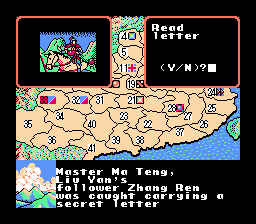
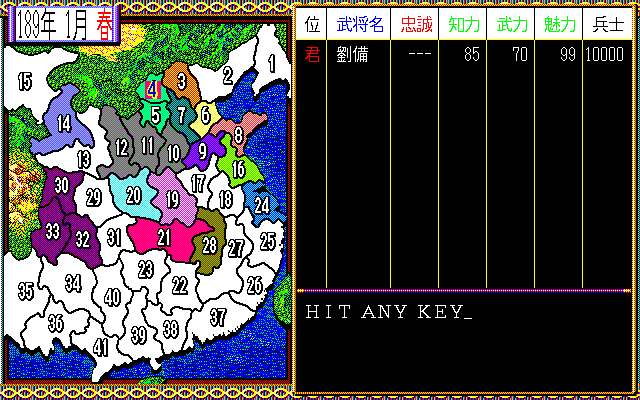
The user interface draws heavily from Nobunaga’s Ambition II, making the transition familiar to fans of Koei’s earlier works. Menus are logically arranged, with clear icons for troop movement, city management, and officer assignments. Though the interface feels dated by modern standards, its straightforward design keeps the learning curve reasonable. Veteran players will appreciate the granular control over city fortifications, espionage missions, and the ability to track individual officer attributes—strength, intelligence, and loyalty—all of which influence the outcome of battles and court intrigues.
Graphics
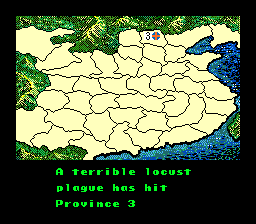
By mid-1990s standards, RTK II’s visuals strike a balance between functional clarity and period atmosphere. The world map is rendered in a muted color palette, with provinces delineated by simple borders and small icons representing city centers, troop concentrations, and resource nodes. While the graphics may appear minimalist today, they serve their purpose well: information is instantly recognizable, and key data—such as troop strength and supply levels—are displayed without clutter.
Unit sprites during battle sequences are modest but charming, with marching infantry, charging cavalry, and volleys of arrows depicted through brief, looped animations. The distinction between regular troops and elite units is clear, based on color and insignia alone. Siege assaults, river crossings, and mountain passes all have unique backdrops, lending a bit of visual variety to combat scenes that might otherwise grow repetitive over extended play sessions.
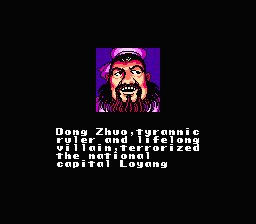
City and garrison screens feature simple illustrations of fortified walls, granaries, and watchtowers that evolve as you invest in upgrades. Officers’ portraits are small but expressive, capturing the personalities of legendary figures like Cao Cao, Liu Bei, and Sun Quan. Although the graphical fidelity cannot compare to modern titles, the aesthetic remains appealing to fans of retro strategy games, offering just enough visual flair to reinforce the historical setting without overshadowing the gameplay.
Story
Romance of the Three Kingdoms II plunges you into one of China’s most celebrated epochs, the waning years of the Han dynasty, as chronicled in the classic novel by Luo Guanzhong. Multiple scenarios let you assume control of rising warlords—Cao Cao in the central plains, Liu Bei in Shu, or Sun Quan in the south—each with unique starting conditions and rivalries. From the Yellow Turban Rebellion to the eventual division into Three Kingdoms, the narrative arc unfolds through a series of escalating challenges that blend historical events with player-driven decisions.
Although not a role-playing experience in the modern sense, the game fosters an emergent story as officers gain merit, betray allies, or meet tragic ends in battle. Personalities clash in council chambers, and managing your retainers’ ambitions becomes almost as important as defeating enemy armies. Unexpected events—famine, uprisings, and natural disasters—inject narrative twists that force you to adapt your strategy on the fly, keeping the storyline dynamic and unpredictable.
Each playthrough can feel like an interactive retelling of the Romance of the Three Kingdoms novel, with memorable moments emerging from epic confrontations and diplomatic gambits. Whether you’re avenging Guan Yu’s death or forging peace between rival states, the game’s strategic framework ensures that the historical backdrop remains compelling, giving players a sense of connection to China’s storied past.
Overall Experience
Romance of the Three Kingdoms II excels as a classic grand strategy title, delivering a methodical and richly detailed simulation of power struggles in ancient China. The pacing is deliberate, allowing you to savor the process of statecraft, from provincial taxation to large-scale warfare. Improvements over its predecessor—especially the reduction of random calamities—result in a more balanced, less punishing experience, making RTK II a great entry point for newcomers to the series.
While the graphics and interface may feel quaint by today’s standards, the depth of strategic options, historical immersion, and emergent storytelling more than compensate. The game challenges you to think several moves ahead, forging alliances, raising armies, and cementing your legacy as a master tactician. Patience and careful planning will be rewarded, as every victory and setback contributes to your overarching narrative.
In sum, Romance of the Three Kingdoms II remains a quintessential title for strategy aficionados and history buffs alike. Its blend of tactical combat, diplomatic nuance, and dynamic events creates an engrossing experience that stands the test of time. If you’re seeking a cerebral, slow-burn strategy game that immerses you in the turbulent era of the Three Kingdoms, this sequel is well worth your attention.


Reviews
There are no reviews yet.